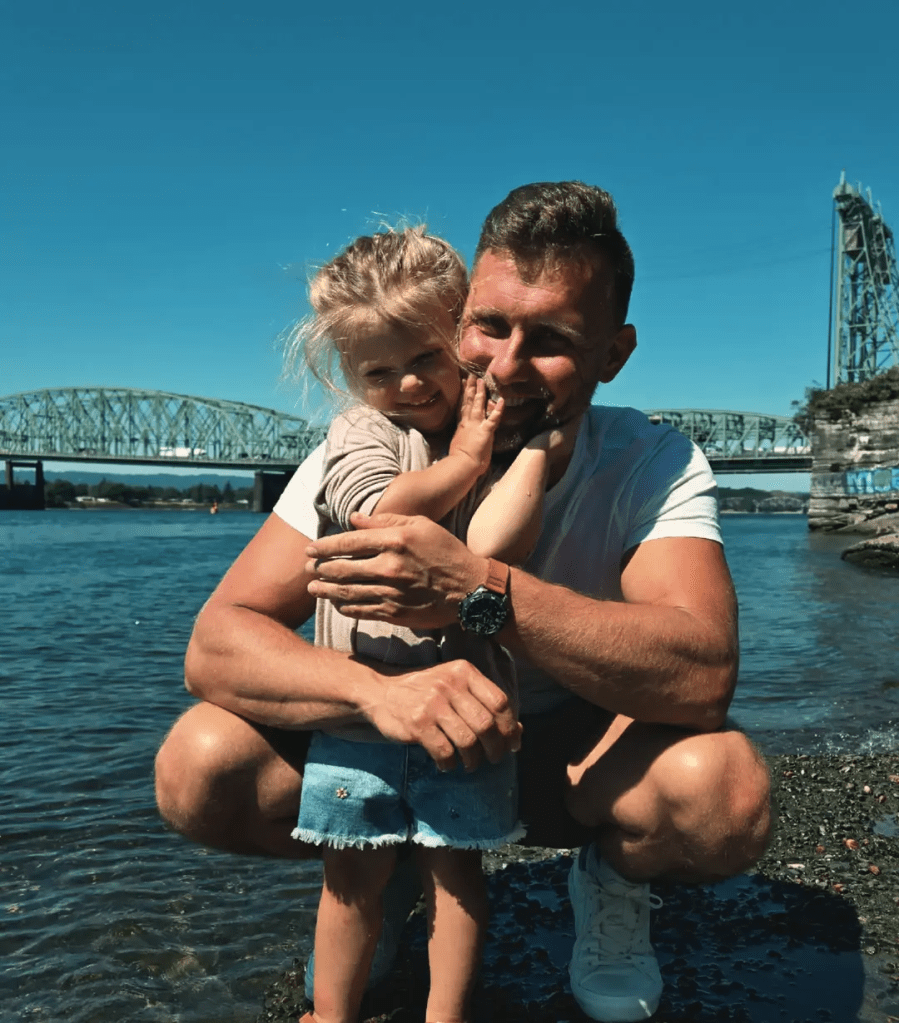
Andrey Ivanov immigrated from Kiev, Ukraine, to the U.S. in 1990 as one of 13 children raised with strong faith, work ethic, and a heart for service. He spent 10 years at Esco Steel Foundry, rising to project manager after earning a degree in Project Management. His 11 years of military service include eight in the U.S. Navy and a commission as an infantry officer in the Oregon Army National Guard.
In 2013, Andrey co-founded Flash Love, launching youth programs like The Spartan Challenge and Junior Warrior Training to build leadership, discipline, and purpose in the next generation. A father, mentor, and community builder, Andrey leads by example—committed to uplifting others through service, integrity, and action.
It’s not poverty, drugs, or broken homes alone that are destroying this generation.
It’s the lack of vision—deep, focused, purpose-driven vision—that’s robbing our sons and daughters of their future.
We live in the most opportunity-rich nation in history, yet our streets are filled with young people numbing themselves with alcohol, technology, or anything that distracts them from their own pain and potential. Not because opportunity isn’t out there—but because no one showed them how to reach it. No one trained them. No one believed in them early enough.
Worse, many of us—even with good intentions—have crushed their dreams without realizing it. We’ve told them to “be realistic” when they dared to aim higher than we did. We smothered their fire with our fears. We told them to settle for safety because we didn’t have the tools or resources to guide them further.
So we built the tools. We forged the path. And we are raising a generation with vision.
The Leadership Pipeline: Raising Leaders From 5 to 55
This movement starts early—as early as five years old—through our Junior Warrior Training (JWT) program. These kids don’t just play. They serve. They learn responsibility, physical fitness, basic first aid, rescue training, survival skills, and above all—honor.
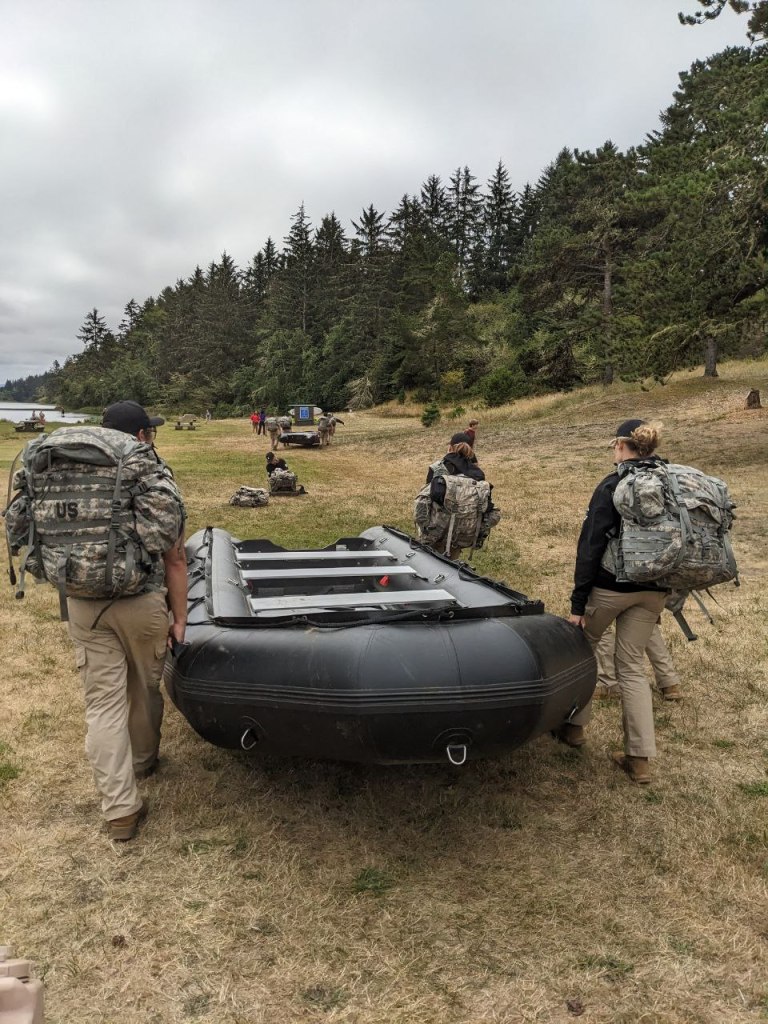
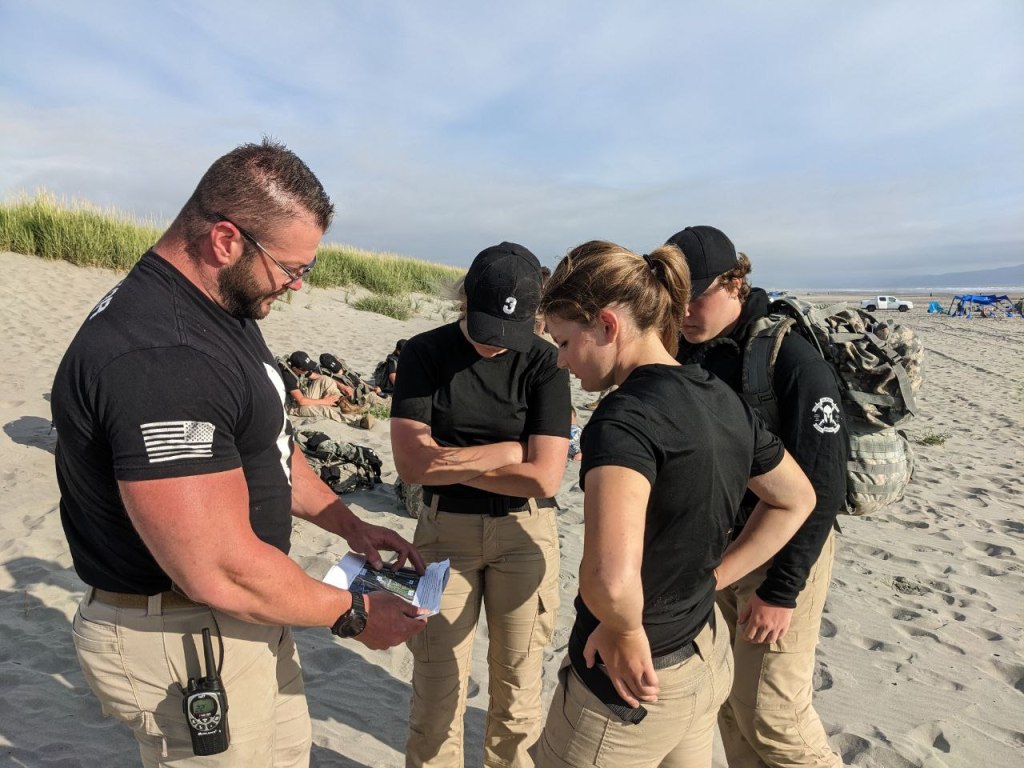
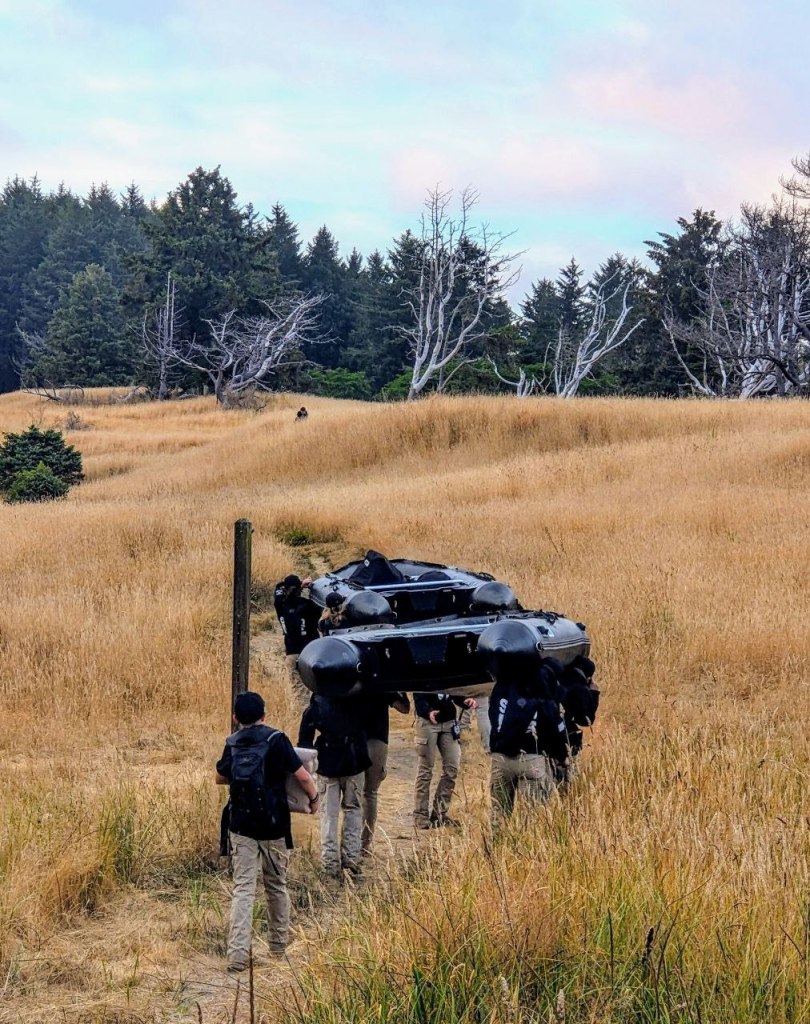
From there, the pipeline leads into The Spartan Challenge (TSC)—an intense 168-hour leadership program for youth ages 14–18 and a 120-hour executive course for those 18+. This is where they’re tested. Where they learn to take initiative, operate under pressure, serve their team, and lead with strength and empathy.
After TSC, they enter SALT—Spartan Advanced Leadership Training—our 6-month course for ages 14+. This is where we develop whole leaders: emotionally resilient, mentally focused, physically strong, and purpose-driven. They learn finance, legal literacy, communication, and discover their calling through service and mission-based learning.
B.E.S.T. — Where Vision Becomes Vocation
Our leadership training doesn’t end with motivation. It transitions into skill-based training and real career pathways.
Through our Building Equity and Sustainable Transformation (B.E.S.T.) Collaborative, we partner with ethical business owners and industry experts—people who understand that true ROI is found in people.
These partners don’t just hand out jobs—they offer apprenticeships, mentorship, and leadership roles to young adults coming out of our pipeline. They invest in character. In discipline. In potential. And in return, they gain reliable, trustworthy, and equipped team members ready to serve and grow their companies.
Some of our graduates go on to start their own businesses, backed by training, cooperative infrastructure, bridge loans, and ongoing mentorship. This isn’t just employment—it’s empowerment.
Housing Incubator Project: Rebuilding Stability
But even the most capable leaders struggle without stability.
That’s why we’re developing the Housing Incubator Project—affordable, functional, and beautiful homes built by our trainees. Not only are we lowering the cost of living, but we’re teaching young adults the trades, financial literacy, and ownership mindset in the process.
This is the final piece of the pipeline—homeownership and legacy. These young men and women go from struggling to find purpose to owning homes, running businesses, and leading others. They don’t just escape the system—they rise above it, and they bring others with them.
More information on the Housing Incubator Project is coming soon.
More Than a Handout — It’s a Way Out
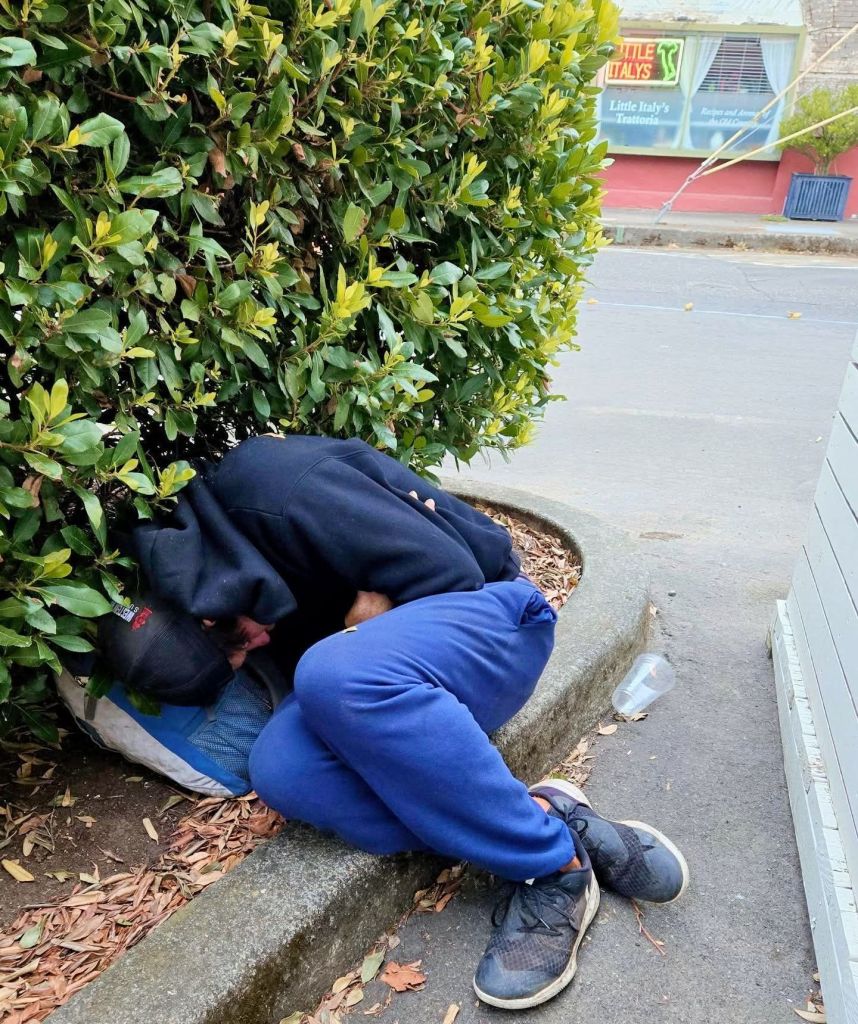
Recently, I walked into Compass Coffee where I saw a man sleeping outside the store. I woke him up, offered him food and a hot drink. But that act of kindness only fed him for a day.
But what if someone had intercepted him years ago, when he was still a boy—lost, confused, unsure who he could trust or what he could become?
What if he had gone through Junior Warrior Training? What if he had discovered his strength through The Spartan Challenge? What if he had been mentored by an ethical tradesman through B.E.S.T., started his own company, and now had a home, a family, and a future?
Instead, he’s out there—alone, cold, and broken. Not because he couldn’t have succeeded, but because no one equipped him early enough. No one cast vision over his life. No one gave him access to the tools that could’ve changed everything.
We Have the Tools. We Just Need You.
We’ve built the vision. We’ve structured the path. Now we need you—parents, business owners, partners, and donors—to join us in transforming this generation.
Don’t just throw food at the hungry. Don’t just pray over the broken. Walk with them. Train them. Build something that lasts.
We’re building more than structures—we’re building lives.
Legacy Building and Development partners with The Spartan Challenge and Junior Warrior Training to raise up the next generation of ethical leaders through hands-on experience, mentorship, and transformational youth programs. If you believe in investing where it matters most—our youth—here are four powerful ways to get involved:
There are people who talk about changing the world — and then there are those who do it.
Alex Mironov left
Today, we pause to honor a man whose actions speak louder than most voices ever will.
Alex Mironov has been a cornerstone in helping us raise the next generation of leaders through The Spartan Challenge and Junior Warrior Training — not with speeches or slogans, but with selfless, consistent support.
Alex isn’t exactly subtle — his energy fills the room before he even opens the door.
He’s bold, loud, and impossible to miss… until it comes to the good he does.
Then he goes quiet.
No fanfare. No humblebrag. Just quiet action, deep compassion, and a legacy he’s building — without ever needing the credit.
Over the years, more than 20 young trainees have stepped into life-changing leadership training because Alex stood in the gap. He helped carry the heavy financial weight of sponsorships so youth who had heart and potential — but not the resources — could still rise.
And why? In Alex’s own words:
“I was one of those many boys who desperately needed a program just like this when I was young and needed guidance, and there was none. So I’m happy to give the youth every chance possible with the means that I have now.”
That right there is the heart of a true leader: not bitterness over what he didn’t have, but a burning drive to make sure no one else goes without.
Alex isn’t just sponsoring trainees — he’s planting legacy. He’s giving these young leaders the tools, structure, and confidence to step out of chaos and into purpose. He’s helping build fathers, protectors, builders, servants, and leaders for a nation in desperate need of them.
Six more trainees are fighting to join Class 009 before the August 5th deadline. They’re pushing hard, working jobs, doing what they can… but they still need help.
This is the moment for others to step up — just like Alex has.
Will you be the reason one more young man or woman gets to change the trajectory of their life?
Your donation isn’t just a handout — it’s a launchpad.
Here’s how to help:
All contributions are tax-deductible through Flash Love
You can sponsor a full scholarship, or give any amount toward a partial
Each sponsor will receive a follow-up and the story of the trainee they helped
The next generation is rising. Let’s make sure they have every opportunity to lead well.
To Alex — thank you for not just talking about change. Thank you for being it. To everyone else — the future is calling and it looks like our children. Will you be the answer?
We have 8 courageous young people who have stepped forward to face one of the most intense and transformational leadership experiences of their lives: The Spartan Challenge.
They’ve signed up. They’ve shared their hearts. Now—they need you.
Each of these youth has overcome hardship, battled self-doubt, and chosen to rise. They’re not looking for a handout—they’re asking for a partner to believe in them.
You can be that partner
Sponsor a Spartan and you’ll be personally matched with a trainee whose story will move you. Many come from families who simply cannot afford the cost but are committed to seeing their child become strong, disciplined, and purpose-driven.
What Your Sponsorship Includes:
✅ Assigned youth profile with their story, photo, and goals ✅ Personal update before and after the training ✅ The chance to track their growth and transformation ✅ A thank-you message or update directly from the youth you support
Ready to sponsor?
→ We’ll send you your assigned Spartan within 48 hours
“My family can’t afford to pay this expense, but I want to become stronger and more responsible.” “I doubt myself too much. I believe The Spartan Challenge will help me prove that I’m capable of more than I think.” “I want to grow into a man of discipline and purpose.”
This is your opportunity to directly change the trajectory of a young life. Not through theory—but through action.
We’ll also celebrate your sponsorship publicly (unless you prefer to remain anonymous) and offer a shout-out for your business or organization on our social media and website.
his morning on my run, I passed a man slumped on the sidewalk. His body tangled in the cart to protect his belongings, a hoodie pulled tight to block out the world. The stench of liquor lingered in the air. His shopping cart—half full of cans—displayed hours of work from the night before. He wasn’t just sleeping. He was surviving.
And I couldn’t shake one thought: What if someone had paid attention when he was still a boy?
What if someone had seen the signs—the quiet sadness, the fights behind closed doors, the screaming, the drugs, the absence of peace? What if someone had looked past the mess and saw the potential?
What if he had a mentor?
Not a savior. Just a steady hand. A man or woman who pulled him aside before life collapsed. Someone who said, “You matter. You belong. Let me show you another way.”
We Know the Pattern… But What If We Could Break It?
We in the Church are often praised for our compassion—we give sleeping bags, serve hot meals, donate hygiene kits. That’s good. We should do those things.
But is it enough to treat the symptoms while ignoring the disease?
What if we shifted our focus from rescue to prevention?
What if we didn’t wait until the boy was addicted, incarcerated, or sleeping on the sidewalk to care?
What if we invested early?
I’m talking about reaching youth at the most critical moments of their development—before life teaches them to numb their pain, before bitterness sets in, before hopelessness becomes normal.
And the good news is—we have the solution.
Junior Warrior Training & The Spartan Challenge
At Flash Love, we’ve spent years building the kind of programs that change trajectories.
Our Junior Warrior Training (ages 5–13) and The Spartan Challenge (ages 14–20) are more than just leadership programs—they’re transformation zones.
We train kids and teens to become strong, ethical, mission-driven leaders through hands-on learning, real responsibility, mentorship, and team-based challenges that build mental toughness, empathy, and purpose.
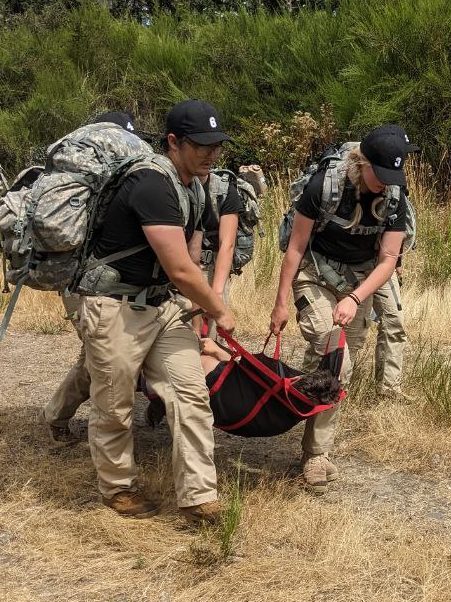
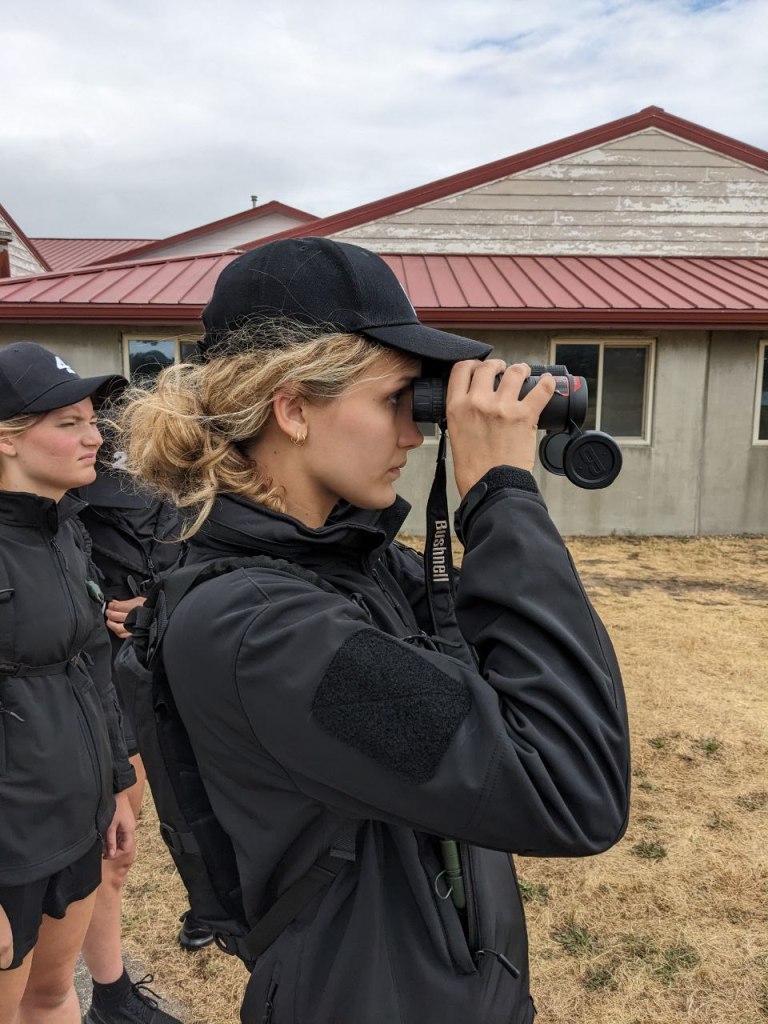
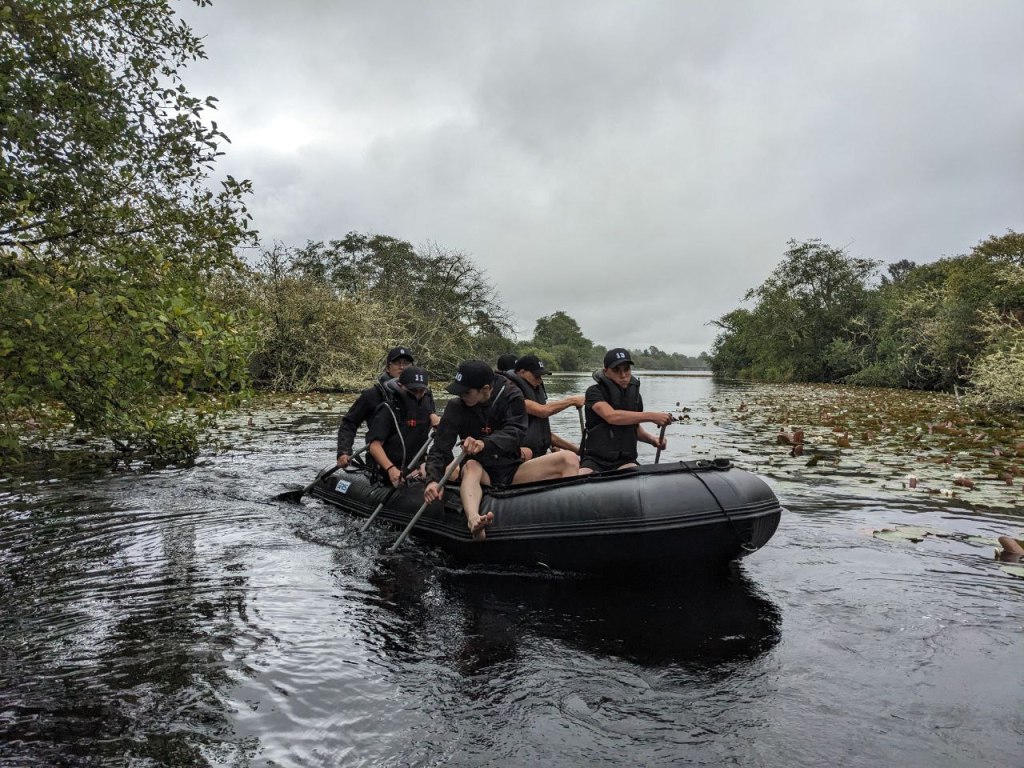
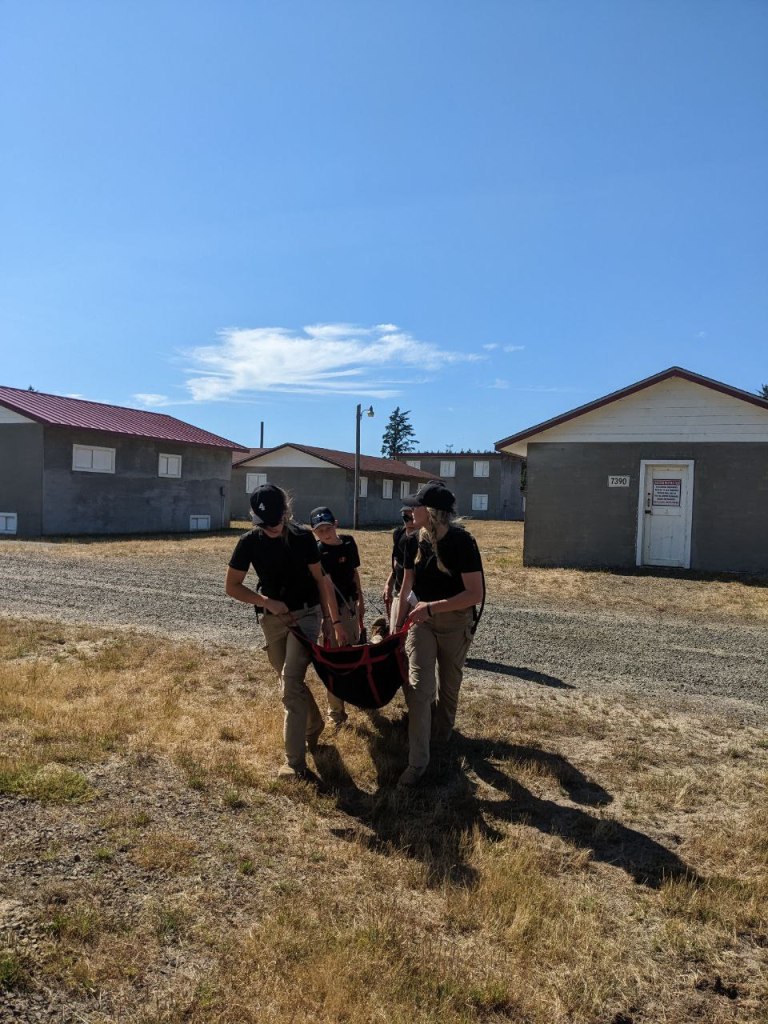
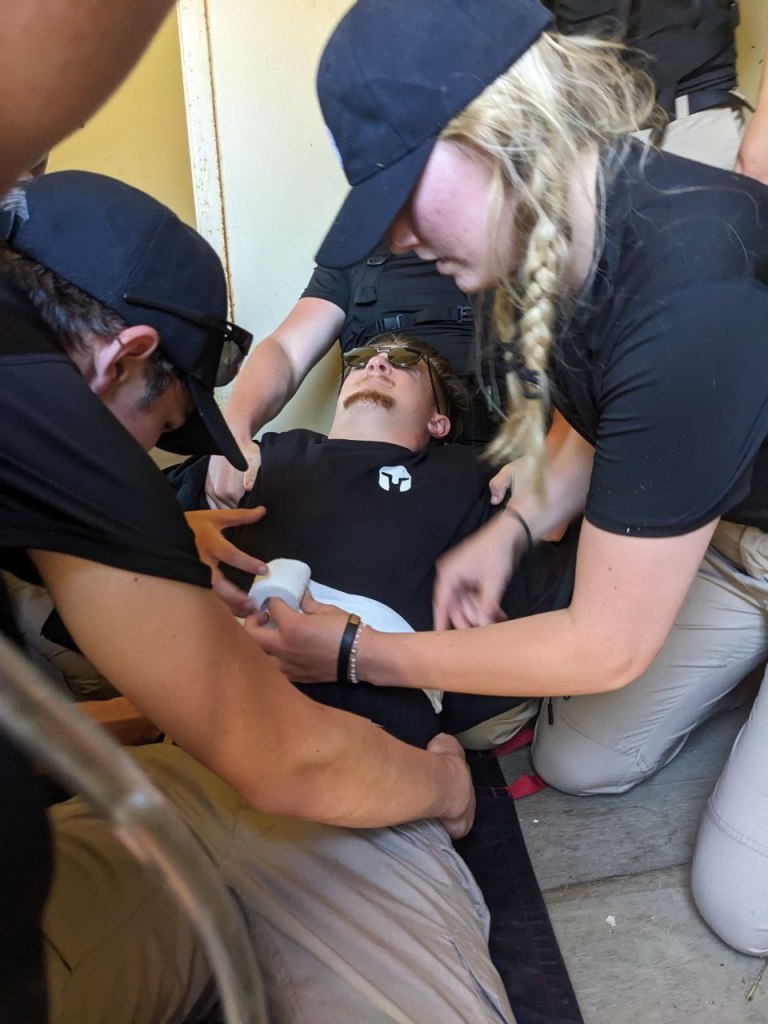
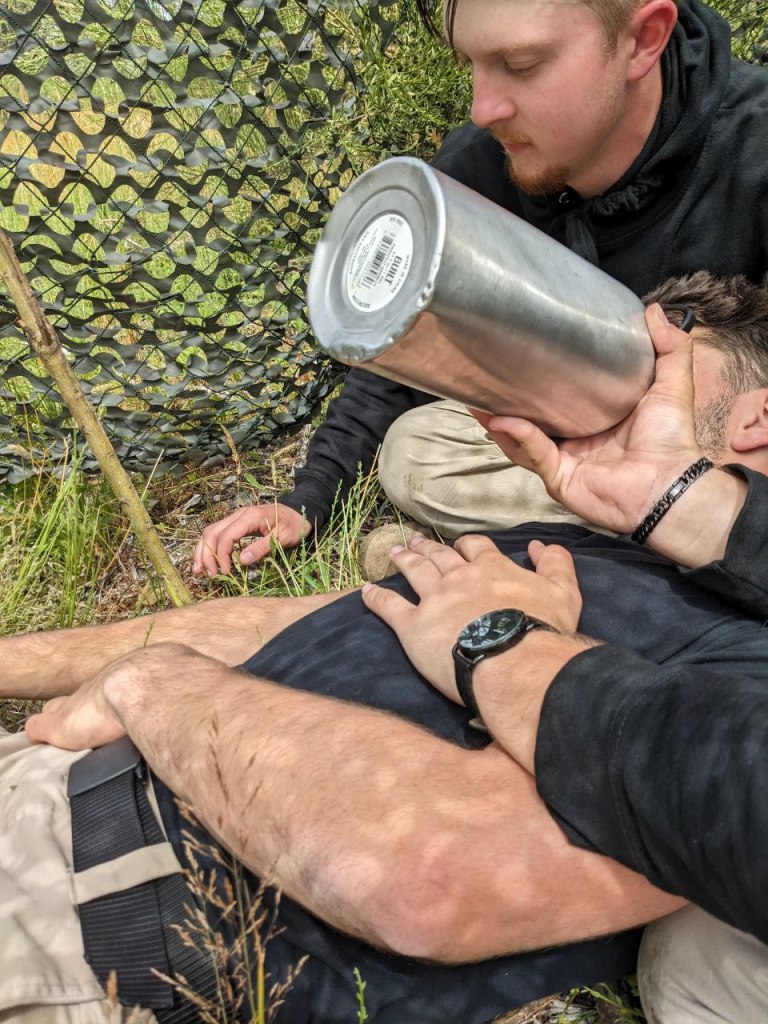
They learn first aid, rescue skills, disaster relief, community service, physical fitness, and most importantly—how to lead themselves and others with courage and integrity.
We are equipping the next generation before they’re broken, before they fall through the cracks, before they become the man I saw this morning.
These youth don’t need another lecture. They need vision, structure, and someone who believes in them enough to train them for greatness.
This Is Where You Come In
We can’t do this alone.
We need partners. We need local businesses. We need parents, mentors, volunteers, and sponsors to step up and say: “Not on our watch.”
If you’re a business owner, this is your opportunity to shape your community, invest in the workforce of tomorrow, and be a part of writing stories that end in triumph—not tragedy.
You can sponsor a trainee, volunteer your time, offer apprenticeship opportunities, or donate resources to help us reach more youth before it’s too late.
Because that man on the sidewalk?
He was once a boy. And he needed someone. Just like the ones we serve today.
Let’s not wait until they’re sleeping on the street to care.
Let’s be the kind of people who show up before the storm.
Let’s build strong boys and girls, so we don’t have to rescue broken men and women.
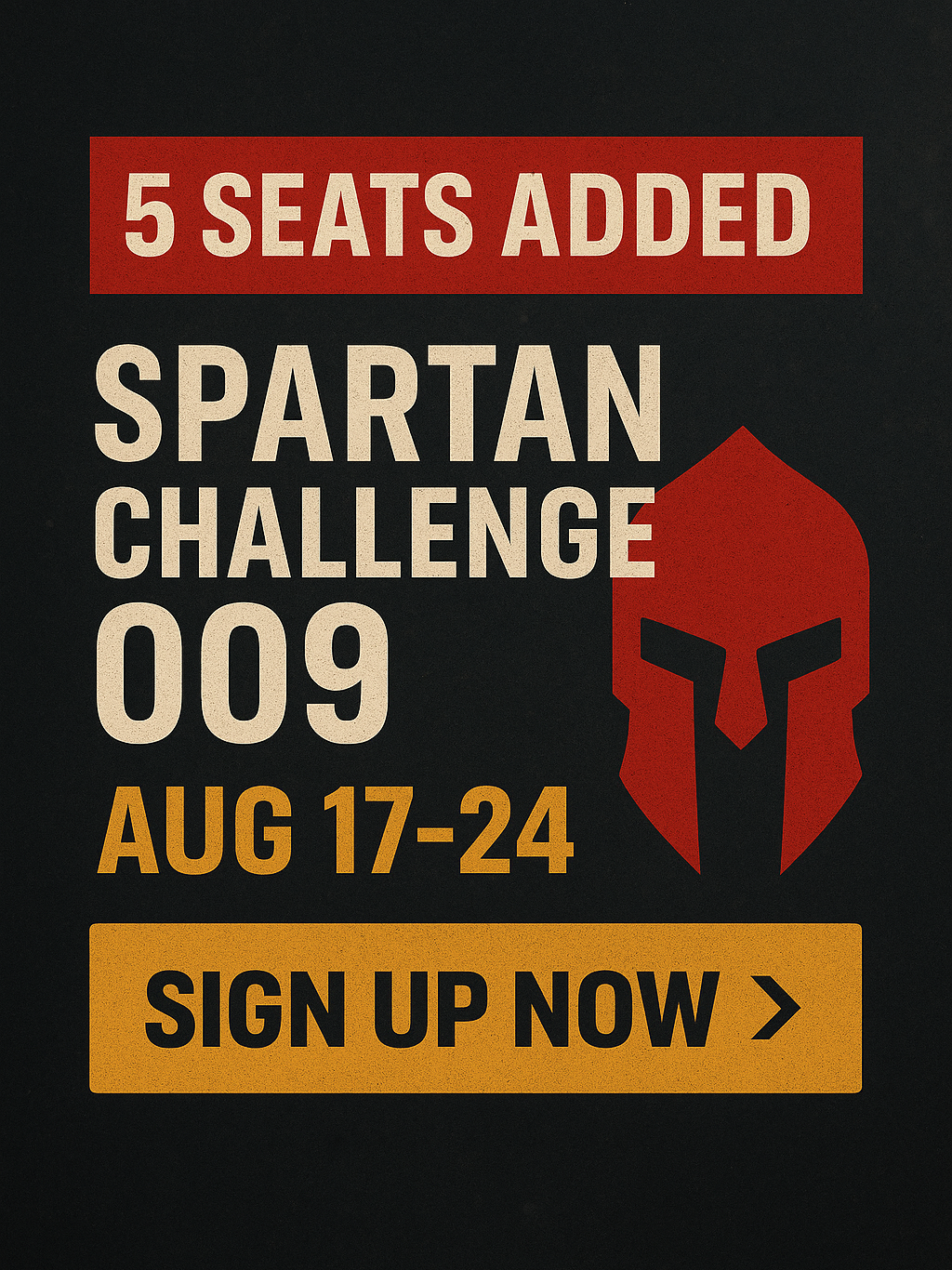
The class is full—but you still have a shot. We’ve unlocked five extra seat in the upcoming class. If you, your teen, or a friend has been hovering on the edge, let the voices of past trainees push you over that line:
“When I first signed up, I just wanted to escape the house… By the end I saw life clearer, felt my team beside me, and prayed for strength to never quit.”
— Isaac, Trainee #6
“Every step felt like a marathon, but we kept going—driven by sheer determination.”
— Kayla, Trainee #3
“It wasn’t a ‘get‑strong’ camp. It taught me endurance, respect, accountability, leadership, and real teamwork.”
— Gideon, Trainee #10
Why do it? Applicant #23 (kept anonymous) said it best:
“My weakness is self‑doubt, but my strength is determination… I believe The Spartan Challenge will push me past my limits and prove I’m capable of more than I think.”
If that echoes in your gut, this is your moment.
Three Ways to Act — Right Now
Grab a Seat: Lock in one of the last five spots before registration slams shut.
Nominate a Warrior: Forward this to a parent, coach, or mentor who knows someone who needs the forge.
Sponsor the Next Leader: Sixteen motivated trainees still need funding. Underwrite a slot and watch their progress start to finish.
⏳ Deadline: When the final five seats are claimed, enrollment is over.
She was so young, vulnerable and curled up in the grass asleep.
This morning I went for a walk—nothing out of the ordinary. The sun was rising, the streets were quiet, and I was deep in thought about the work we’re doing. But as I turned a corner, I saw something that stopped me in my tracks.
There, near the edge of the sidewalk, was a young woman—maybe in her late teens or early twenties—curled up in the grass, asleep. She was wearing only light clothes and a hoodie. No sleeping bag. No tent. No protection. Vulnerable. Alone.
I didn’t see her face. I didn’t ask her name. But I didn’t have to. Because I’ve seen her before. Not her specifically—but the story. Too many times.
This is someone’s daughter. And she’s sleeping outside on the ground.
In the richest, most resourceful country in the world—how is this possible?
The Pain of Knowing We Could Be Doing More
The hardest part of seeing her wasn’t just the sadness of the moment—it was the knowledge that we have a solution, and yet still face endless delays.
For years, my team and I have been working on what we call the Housing Incubator Project—a transformative model that doesn’t just house people, it empowers them.
We teach young people how to build their own homes, give them the tools, training, and mentorship to earn trades certifications, and then guide them into home ownership, employment, or business launch within a cooperative community setting.
These homes are affordable. The process is restorative. The long-term impact is life-changing.
It’s a program that makes sense economically, socially, and spiritually.
But we’ve encountered more resistance than we ever anticipated—not from the poor or the helpless, but from people and systems that seem more interested in control, compliance, or bureaucracy than real solutions. Some of it is ignorance. Some of it is fear. And some of it, sadly, is sabotage.
Time Is the Enemy Now
We’re not waiting on ideas. We’re not waiting on technology or material. We’re not even waiting on skilled workers—we’re training them ourselves.
What we’re waiting on is alignment. Conviction. Courage. Support.
Every delay costs another young person their stability, their safety, and sometimes their future.
We have youth ready to be trained. We have land and floorplans ready for development. We have business owners lined up to offer apprenticeships. We have community partners ready to mentor and guide.
What we don’t have is time.
Because every time we hesitate, another daughter sleeps on the street. Another son spirals into depression. Another life slips further away from purpose and toward survival mode.
The Government Won’t Fix This—But We Can
I’m not saying this with cynicism—I’m saying it with clarity. The government is not the answer.
The answer is us. You. Me. Local leaders. Donors. Builders. Neighbors.
We don’t need more studies. We need action. We need people with resources and conviction to put their names and support behind something that actually works.
We don’t just need checks—we need champions. Partners who see the long game. Who believe that building people is how we rebuild cities. That investing in youth and housing isn’t charity—it’s strategy.
What You Can Do Right Now
If your heart is stirred like mine, then don’t let this pass as just another sad story.
Here’s how you can help today:
Sponsor a home – Fund the materials to build a $85,000 starter home that teaches, trains, and transforms a young life.
Sponsor a trainee – Provide the support for a young man or woman to go through our leadership and construction training, start a career, and never sleep on the ground again.
Connect us – Introduce us to contractors, landowners, mayors, church leaders, or business mentors who care about solving real problems.
Become a partner – Join our coalition of builders, investors, and nonprofits working together for lasting change.
Share this vision – Use your voice and network to amplify this mission.
We will send you the story and progress of the youth you sponsor. You will get to see their transformation. Not just a photo. A future.
The Final Word: We Can Do Better
That young woman sleeping in the grass… I can’t stop thinking about her.
And I don’t want to.
Because we shouldn’t look away from things that break our hearts—we should let them drive us to action.
We are not helpless. We are not without options. We have everything we need—except the will to act.
But I believe that’s changing. I believe more people are ready. I believe that if you’ve read this far, you’re one of them.
Let’s stop hoping someone else will fix it. Let’s build the future we all deserve.
There’s a monster devouring our society, and it’s been hiding in plain sight. It wears different masks: politics, religion, pride, division. But underneath it all, it’s the same thing—something feeding off our fear, our silence, and our inability to come together.
We’ve been tricked into fighting the wrong enemy. We’re pointing fingers at each other while the real enemy—division—robs us blind.
The truth is, we have everything we need to solve the biggest problems on this planet. We’ve got enough food to end world hunger. We’ve got enough land and resources to house every homeless person. We’ve got the tech, the manpower, the money, and the wisdom to stop violent crime before it ever starts.
But we lack one thing: UNITY.
We’ve become so consumed with our side winning, our opinion being heard, our label being right—that we’ve stopped looking out for each other. And while we argue about who’s right, our kids are watching. They’re the ones who suffer.
But what if we turned the corner? What if business owners stopped trying to exploit and started mentoring? What if people stopped trying to control their families and started serving them with vision and love? What if we stopped drawing lines and started building bridges?
We’re already doing it—with our youth. We’re raising up young leaders who know what community looks like. Who serve instead of dominate. Who take responsibility, lead with love, and live with purpose. They’re not being brainwashed into hollow religion or rigid ideology. They’re being trained by example.
Because here’s the truth: We don’t own our kids. We don’t own our spouses. We’ve been given the temporary honor of shaping lives that are meant to make an impact.
If we keep leading with love, if we unite across these man-made lines, we could actually see what Jesus prayed for: on Earth as it is in Heaven.
Not some far-off dream. Not a sermon. Reality.
Let’s do better. Not because it’s easy. But because the next generation is worth it.
Ready to change a life?
Your partnership fuels hands‑on leadership training for youth who need it most.
Become a Partner– sponsor a trainee, volunteer your expertise, or collaborate as a business ally.
Donate Now – every dollar goes directly to scholarships for a Spartan (14–20) or Junior Warrior (5–13).
Together, we forge leaders who serve with courage, competence, and compassion. Join us today.
“My heart behind the Spartan Challenge is not of a selfish man, because it actually doesn’t have anything for self-reward or outcome.”
I want to open up the mind and break the algorithm—just for a moment—long enough for a trainee to see past themselves and catch a glimpse of a bigger life. That glimpse becomes hope, purpose, and what I call a long-haul booster engine. If they catch it, it can drive them for the next two months, two years, even two decades as they push toward something meaningful and keep refining it.
Most of our culture screams, Impress people. Chase status. Upgrade the image. I want to rip that script out. This isn’t about racing toward another handbag or the next model of a BMW. This is about people over possessions, mission over image, character over comparison.
You can’t put a price tag on that. Honestly, you can’t even put words to it. The best picture I have is this: I would sell every possession to buy the field if I knew the treasure buried in it was a young life turned toward purpose. That’s why I do this.
What I Want Every Trainee to Walk Away With:
Hope and purpose that outlasts the week.
A clear why that keeps them moving when life punches back.
Reprioritized values: serve people; build something that matters.
Depth instead of distraction; discipline instead of short lived dopamine.
Freedom to live with joy, service, and fulfillment.
“This Was No Camp — It Was a Turning Point”: Why I Created The Spartan Challenge
I’m Andrey Ivanov. I built the Spartan Challenge for my younger self—for the kid who was fired up, frustrated, restless, and hungry to become more but didn’t have a clear path. I needed someone to hand me a mission that would test me, strip away the noise, and show me what was in me. Nobody handed me that. So I built it for the next generation.
You won’t find cell phones, trophies, or participation ribbons here.
You won’t find easy wins, soft landings, or a comfortable place to hide.
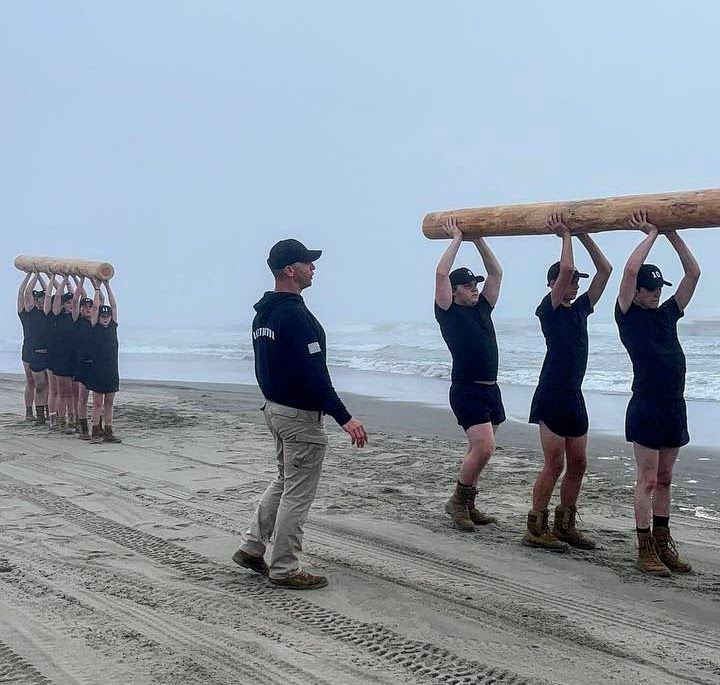
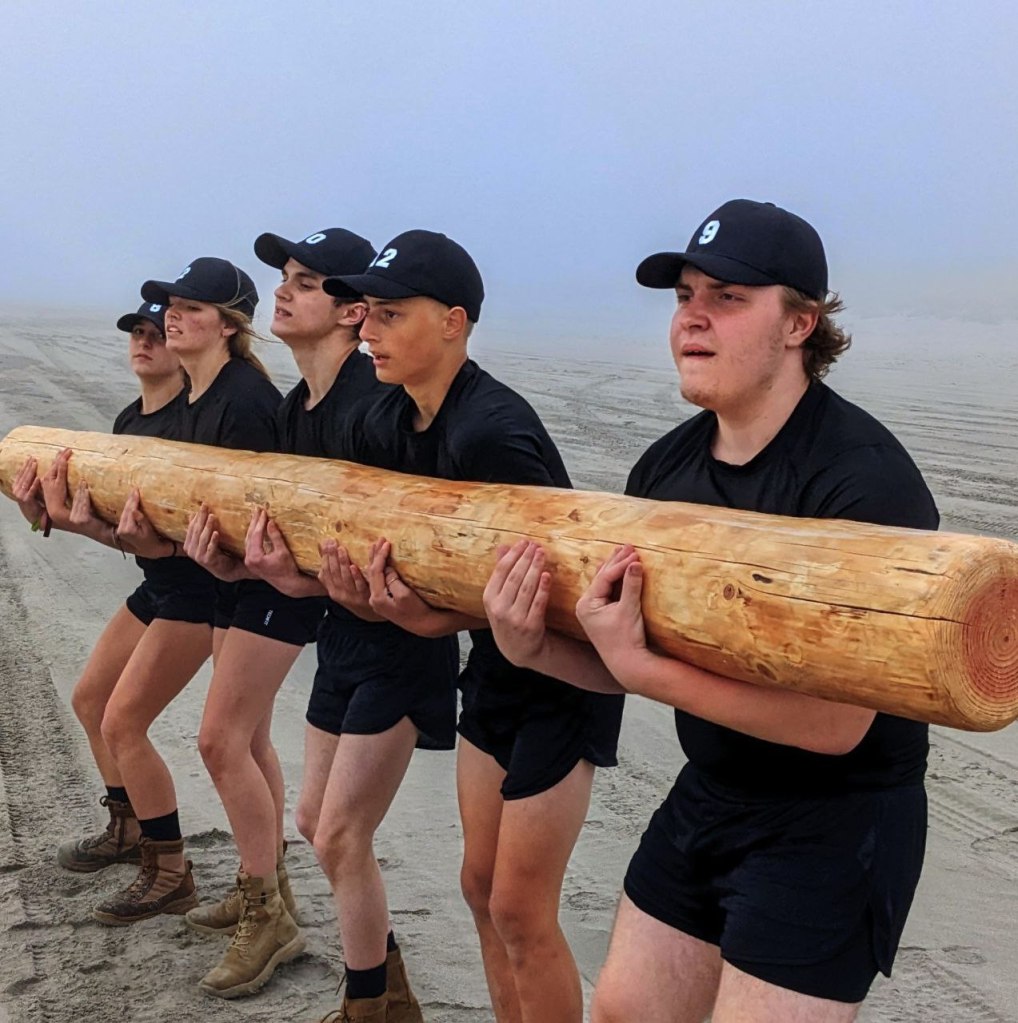
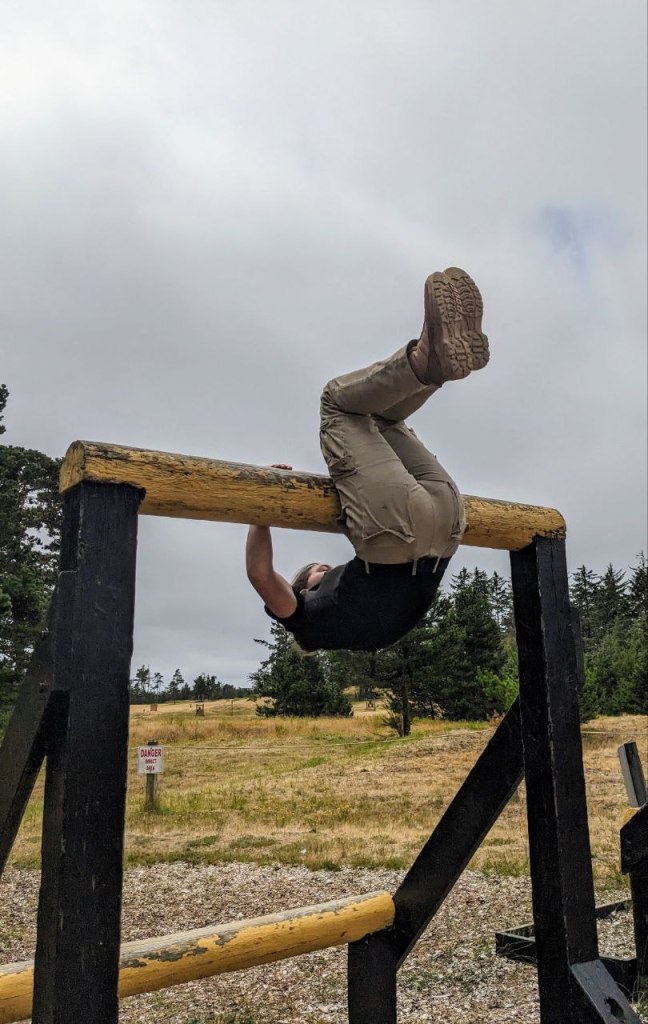
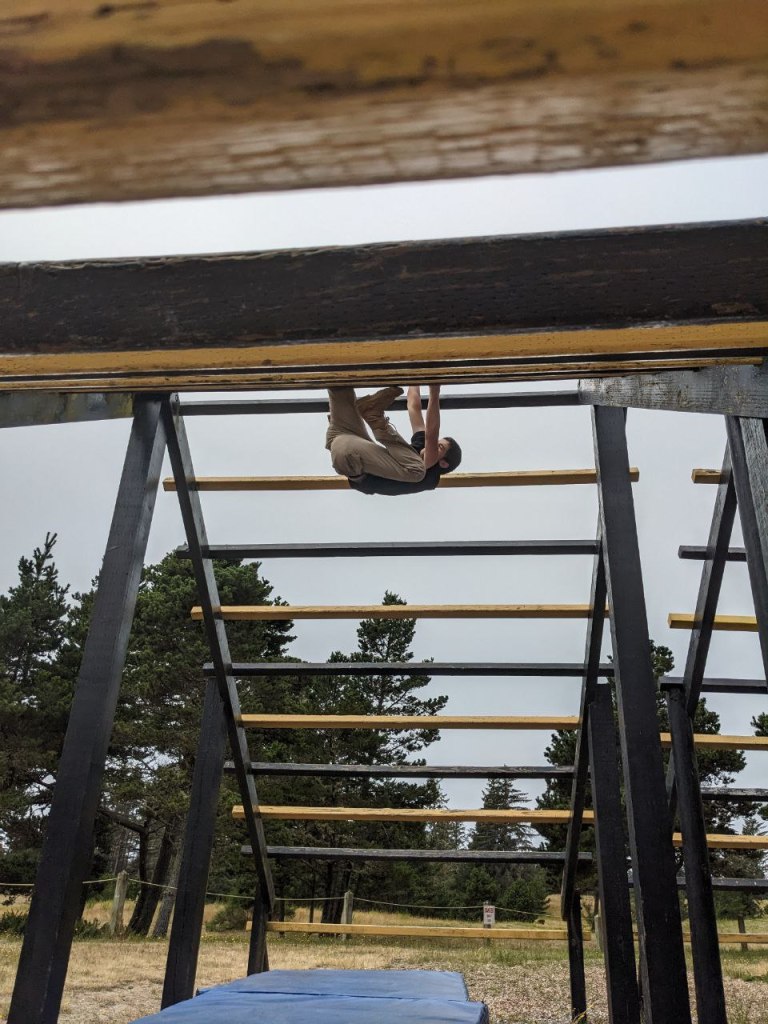
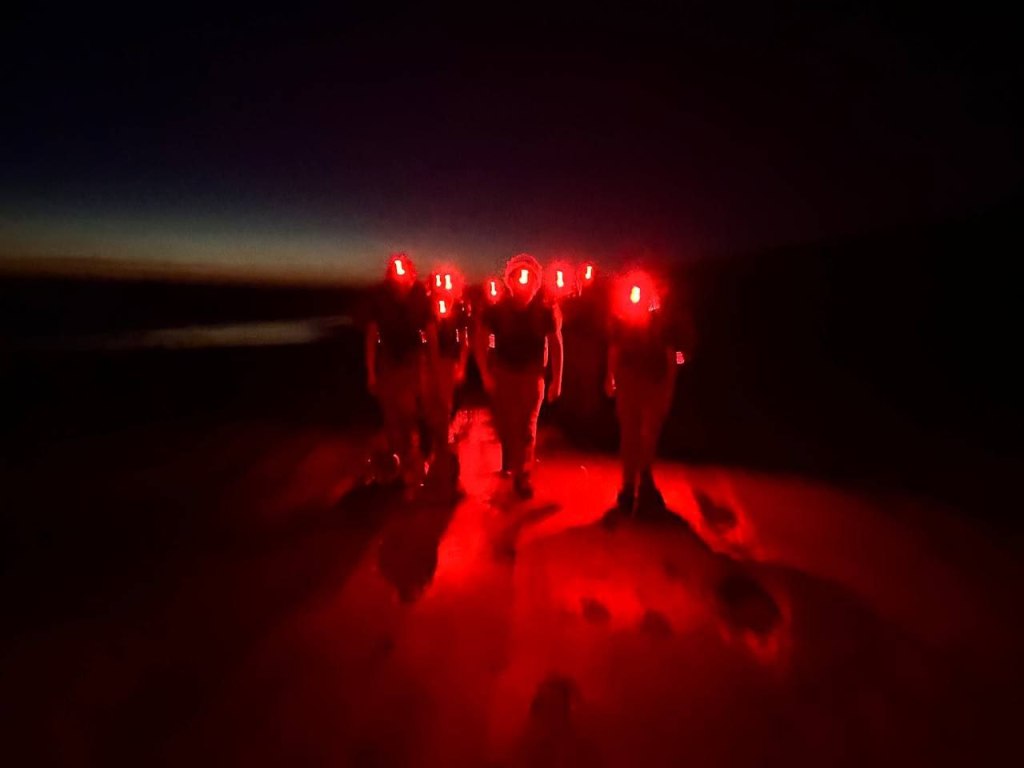
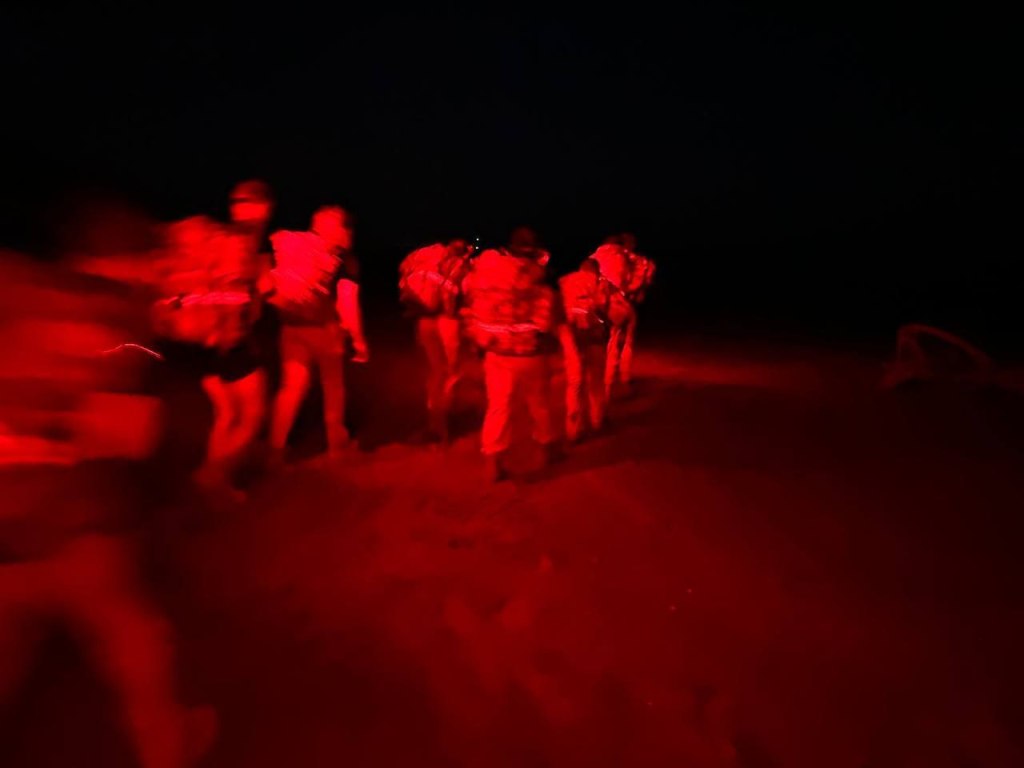
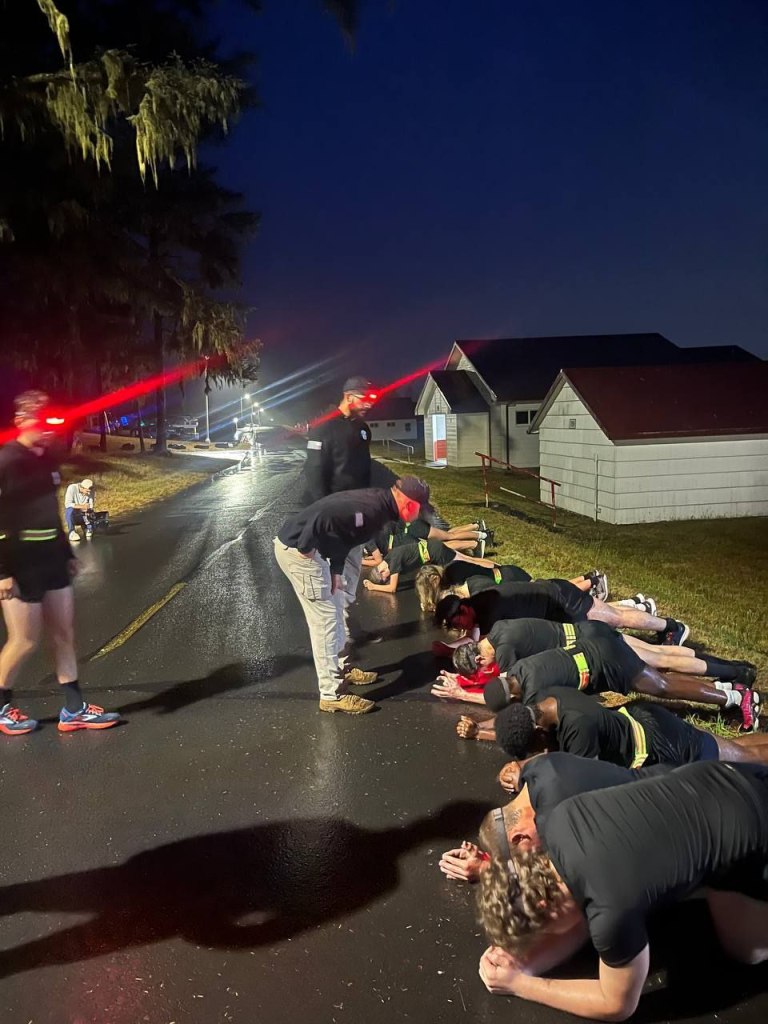
When I invite a young person into The Spartan Challenge, I’m not offering a camp. I’m inviting them into a forge—a proving ground hammered out in sweat, grit, dirt, prayer, failure, and the relentless call to rise. Phones go dark. Comfort gets checked at the door. Excuses burn off fast.
Don’t take my word for it. Listen to the young men and women who lived it.
From Isolation to Family
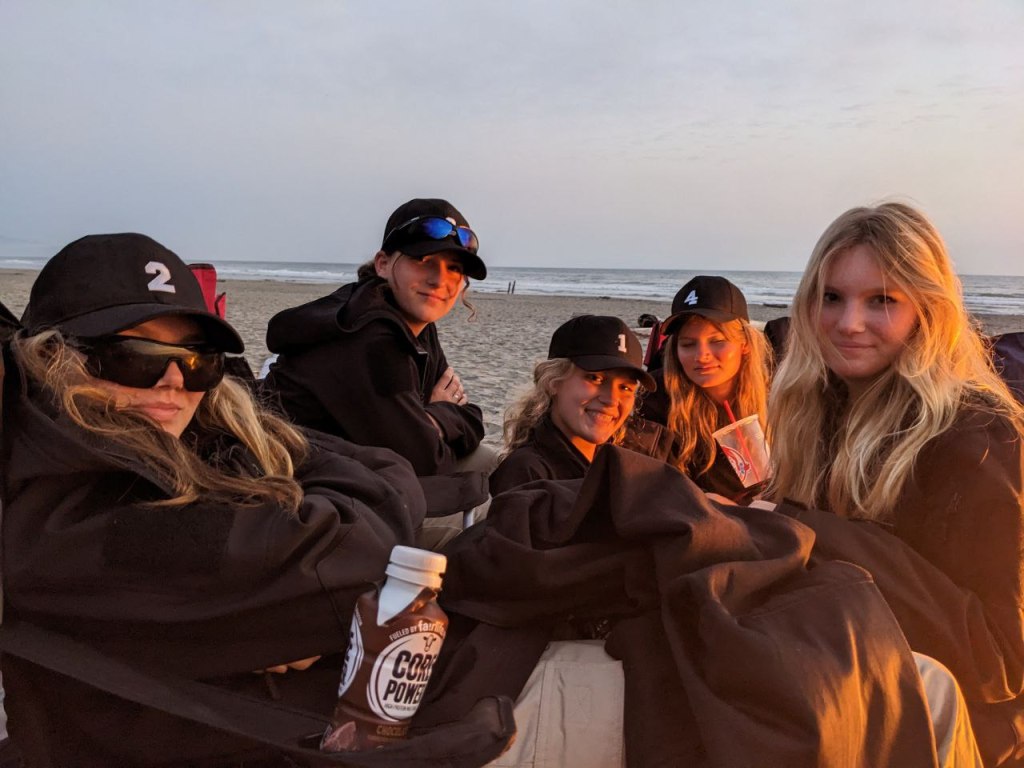
“When I first signed up for Spartan Challenge, I did it mostly to escape from being home all day… I felt a deep spiritual meaning and reason and saw things much clearer in life. I didn’t feel anxious knowing my comrades are always here for me… Humming hymns and praying for strength to never, ever quit.” — Isaac, Trainee #6
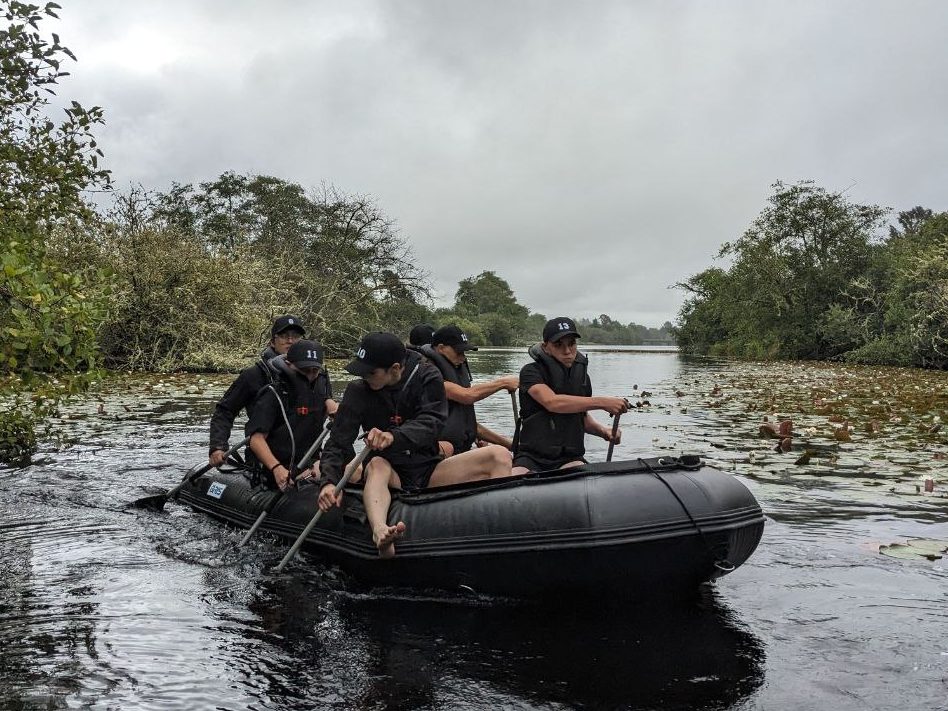
I watched Isaac go from quiet and pulled-back to locked-in with his team. The silence between the rucks, the hymns, the prayer—those moments became a crucible. Strength shows up when you realize you’re not alone. Shared pain turns strangers into family.
The Choice Not to Quit
“It’s all just a choice. You just have to make the right one… Each bite of rice and black beans… ‘don’t quit.’ When you feel each breath getting shorter… ‘don’t quit.’ After the 28th LEFT FACE… ‘don’t quit.’” — Jessica, Trainee #1
Jessica didn’t give me theory—she gave me the raw play-by-play. Leadership isn’t one big moment; it’s a thousand tiny choices when no one would blame you for quitting. That’s the real war most people never fight: the internal one.
Physical Limits… and Beyond
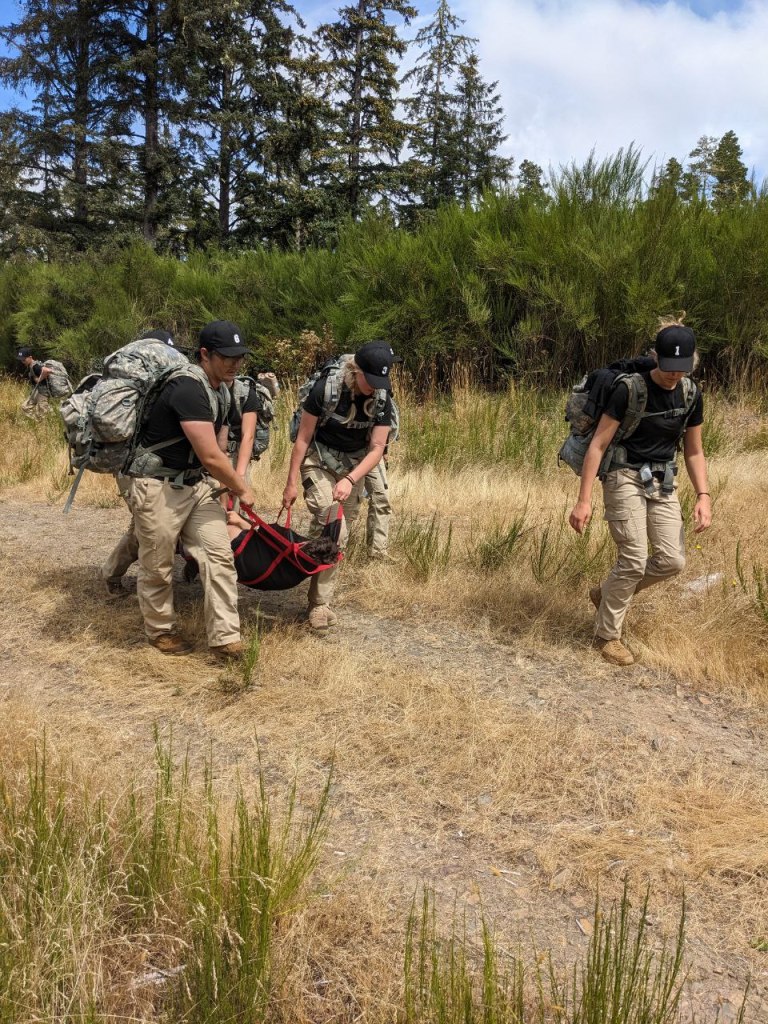
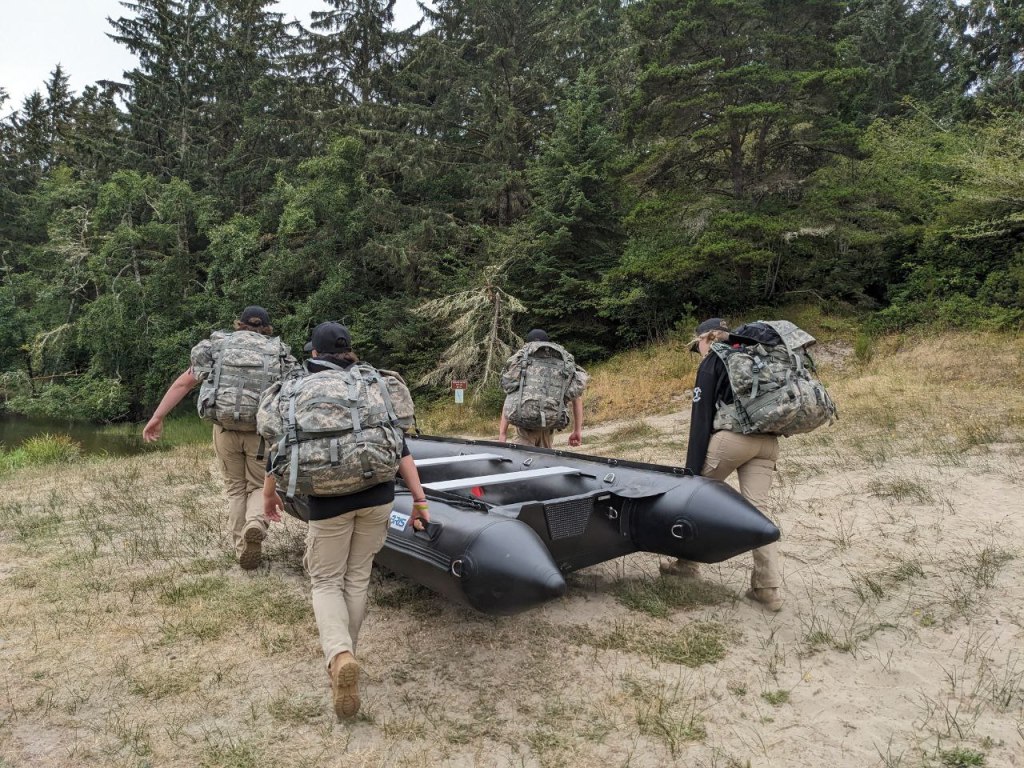
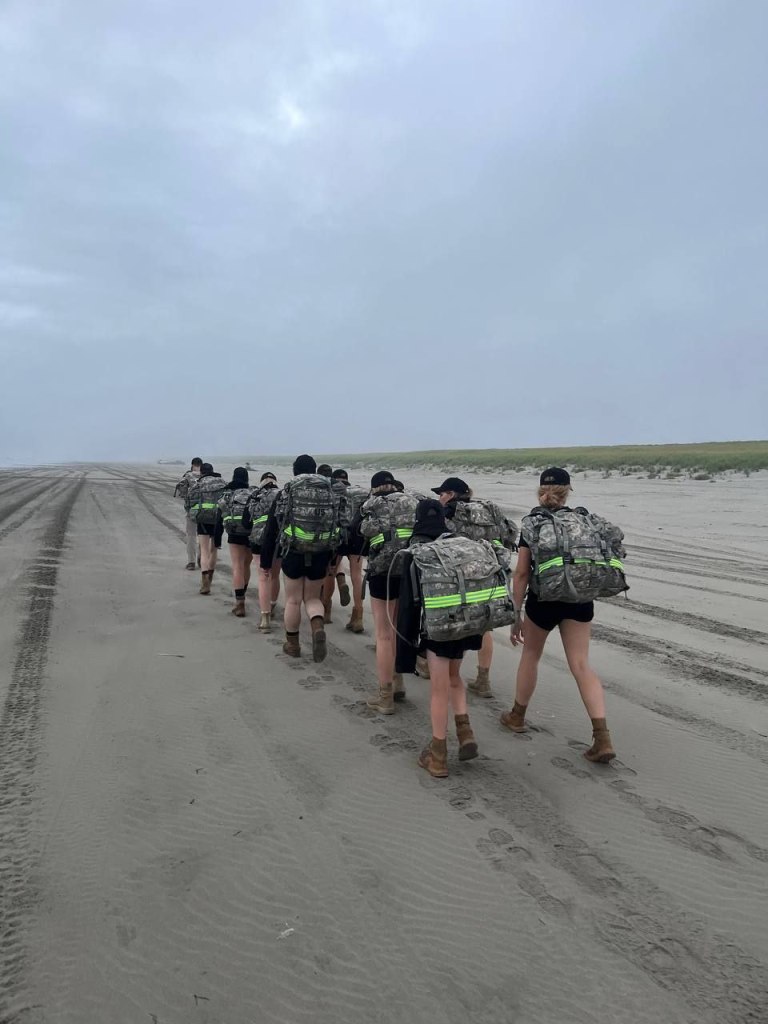
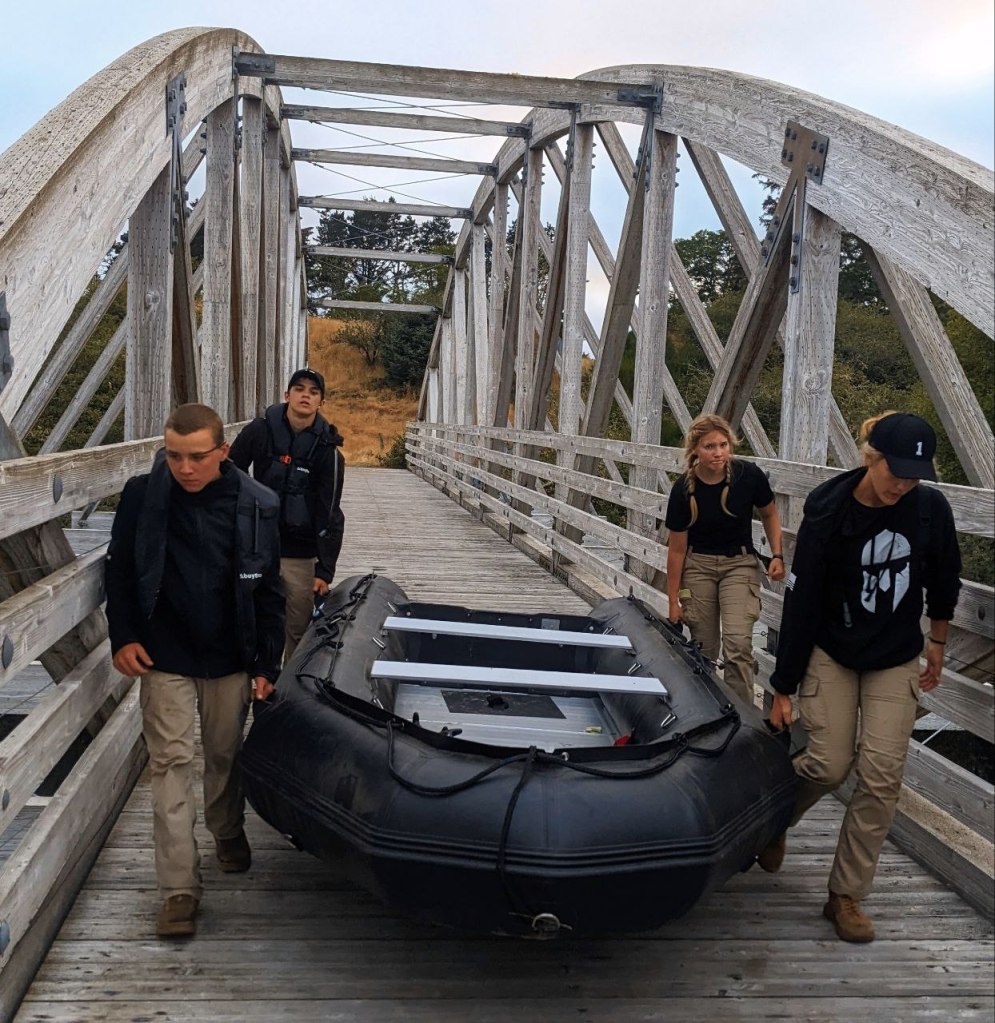
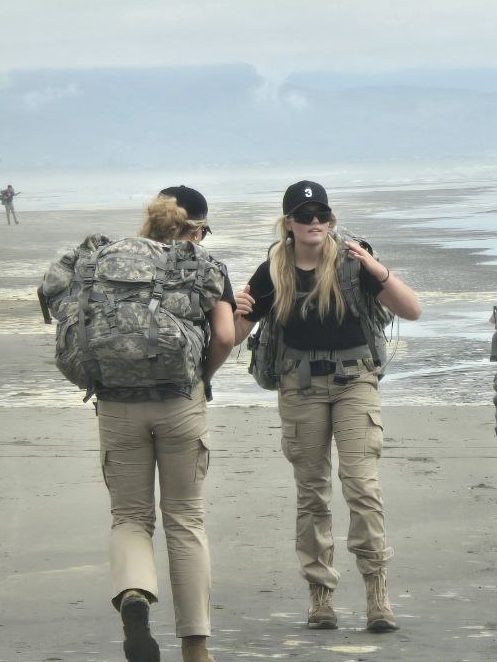
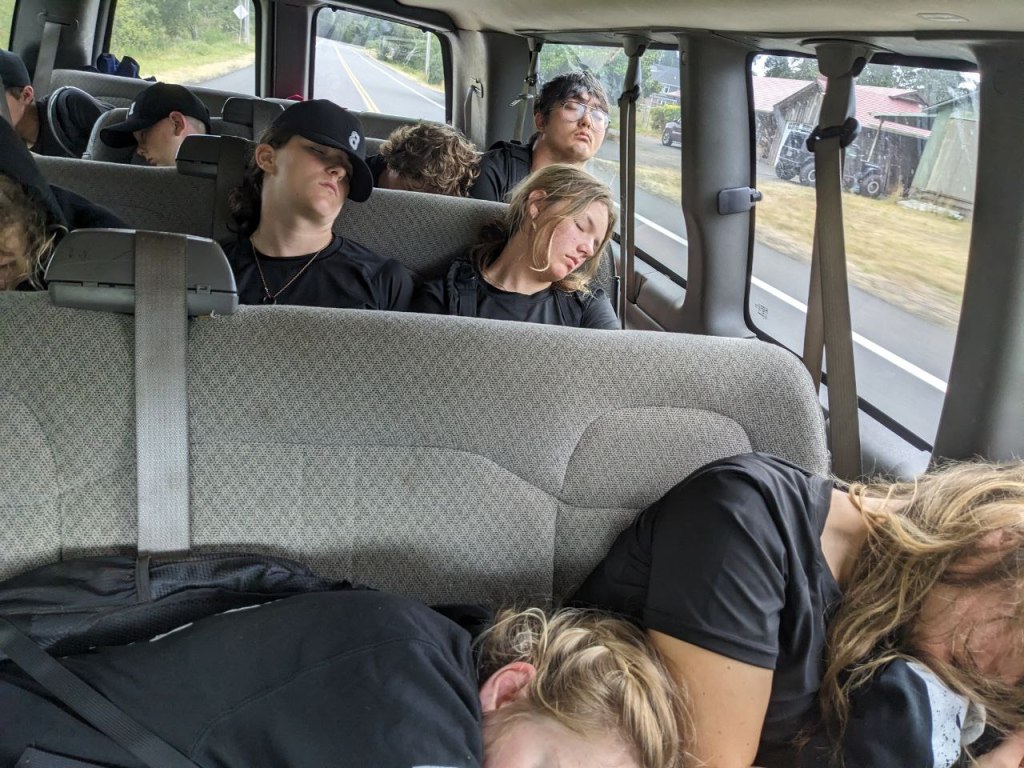
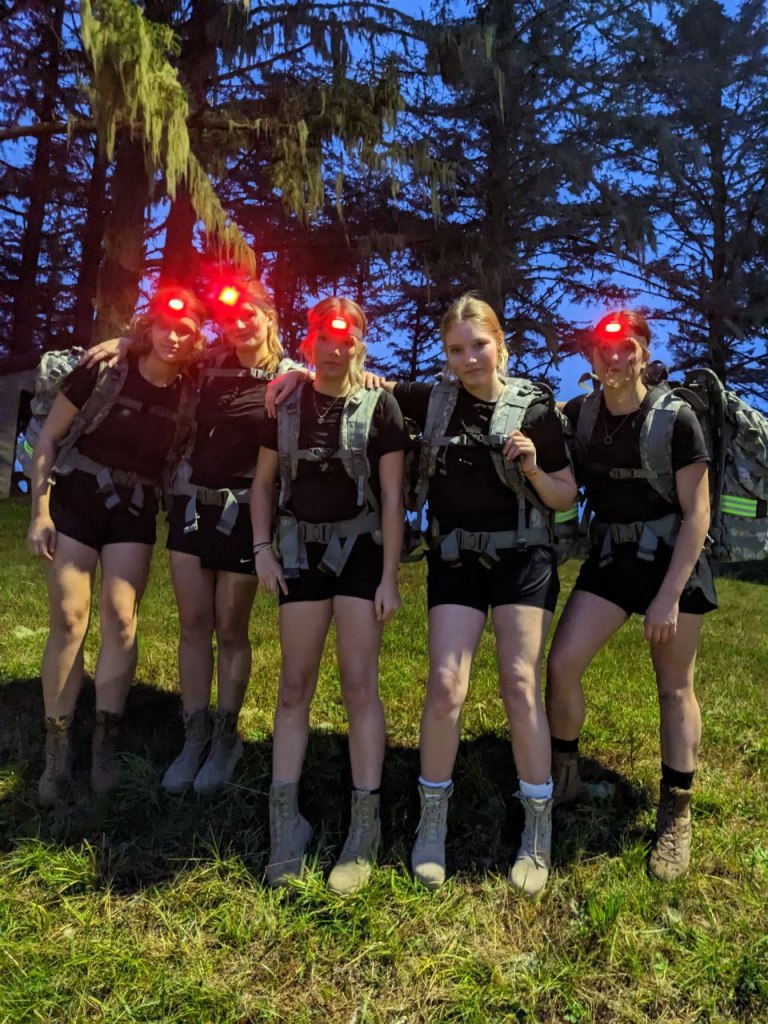
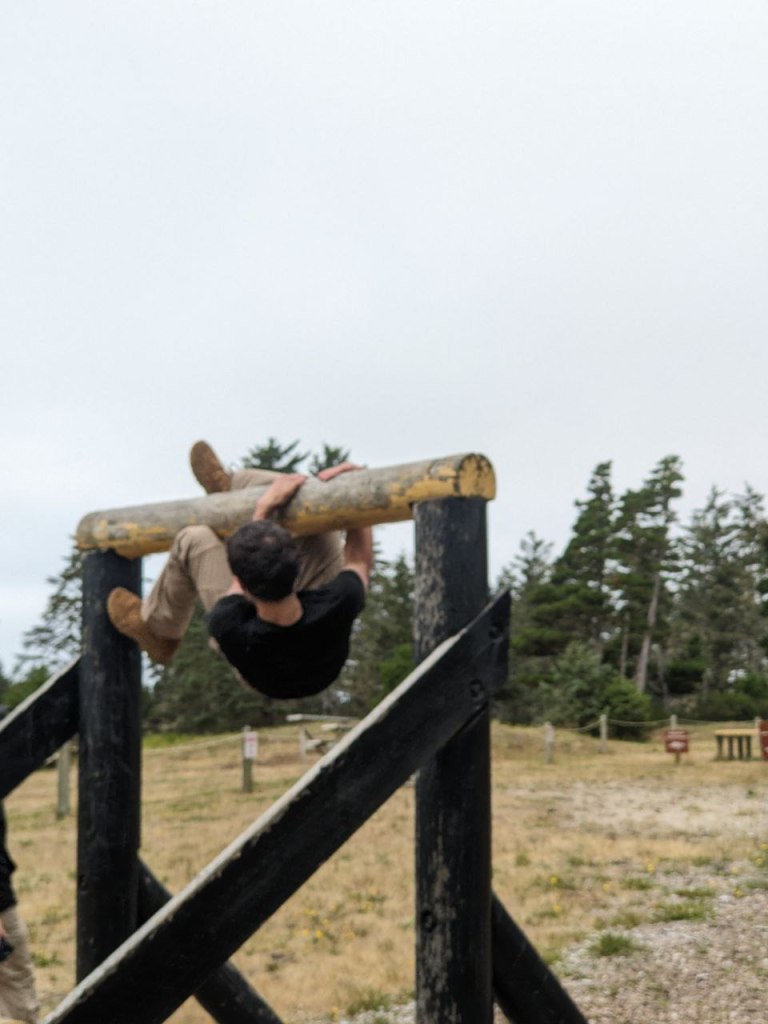
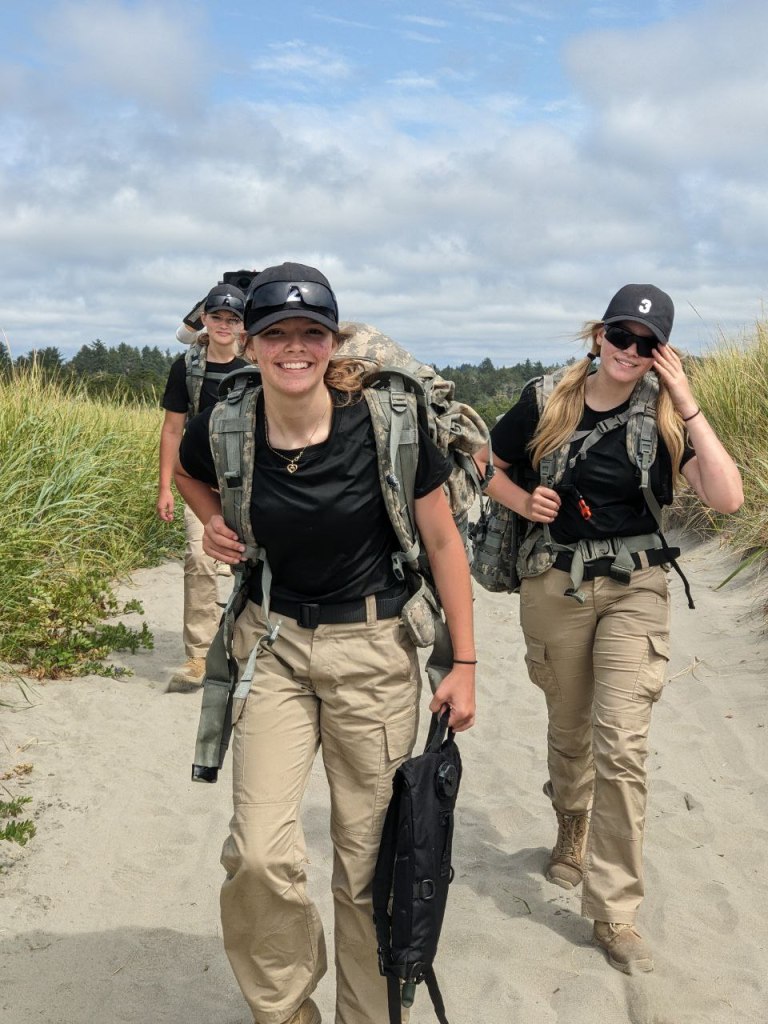
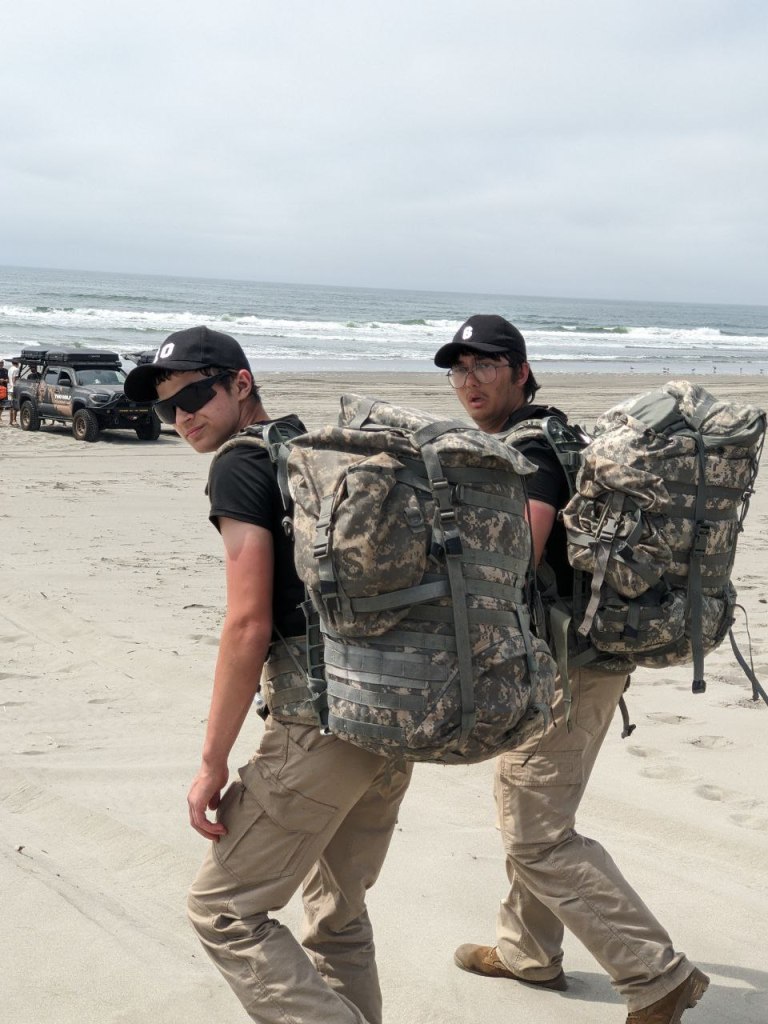
“Every day was a grind. Miles of rucking, brutal PT, and non-stop missions… Friday’s 8-mile ruck was the ultimate test. Our bodies were wrecked, every step felt like a marathon… But we kept going, driven by sheer determination.” — Kayla, Trainee #3
We push hard—not because speed matters, but because who you become when you’re wrecked matters. Kayla crossed that line different. Not faster. Stronger. Clearer. Dangerous—in the best way.
Stripped of Comfort, Clothed in Character
“It wasn’t just a ‘come-here-get-strong’ camp. It taught me how to endure, how to be respectful, how to take accountability, how to lead, and how to create strong bonds with teamwork.” — Gideon, Trainee #10
Exactly. This isn’t a flex camp. If all we built were muscles, I’d shut it down tomorrow. We build endurance, respect, accountability, leadership, and trust under pressure. Teamwork here isn’t a motto; it’s how you get your buddy across the line.
Transformation Through Struggle
“I started to forget about myself and focus on the needs of others… The last day was 18 hours of back-to-back operations. It was difficult but also the most fun. And finishing was so rewarding.” — Alyssa, Trainee #4
That shift—from me to we—that’s the gold. When trainees stop thinking about how tired they are and start scanning for who needs help, growth explodes. The hard day becomes the best day.
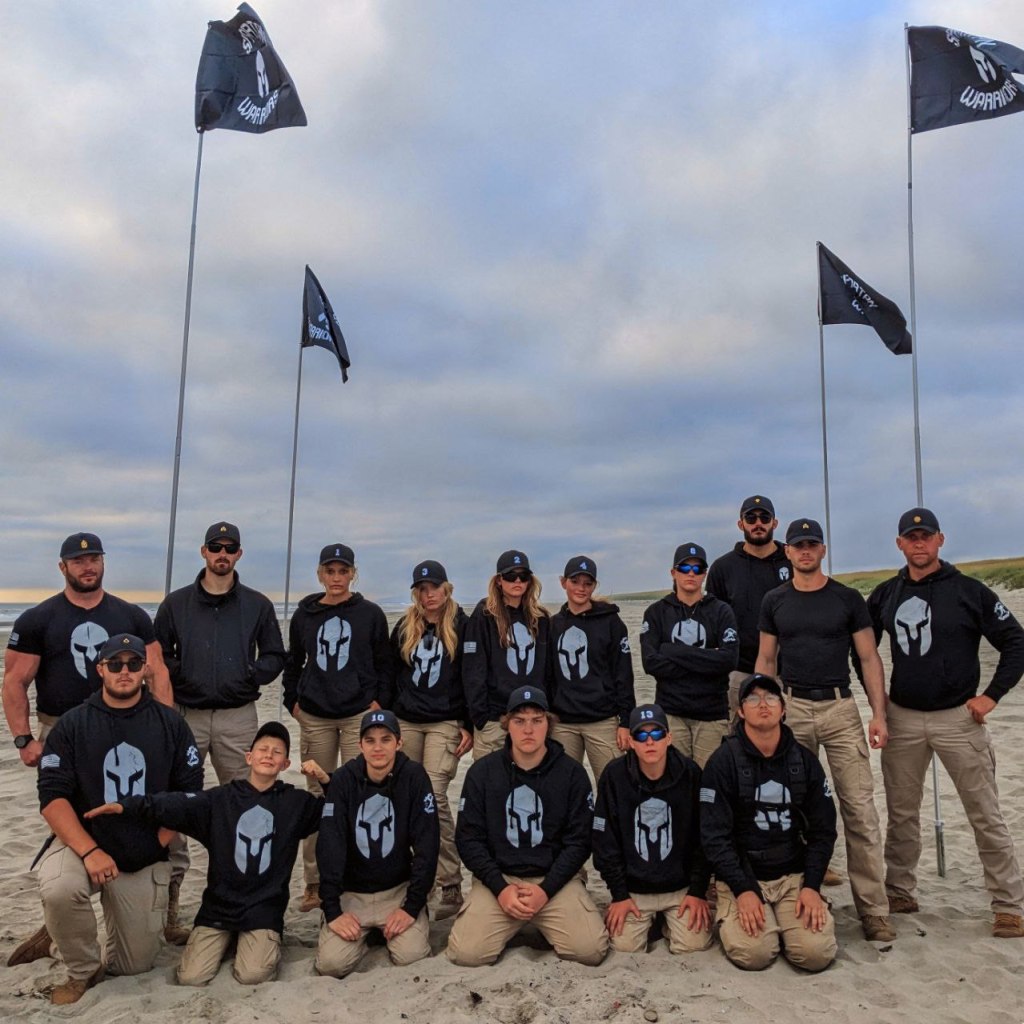
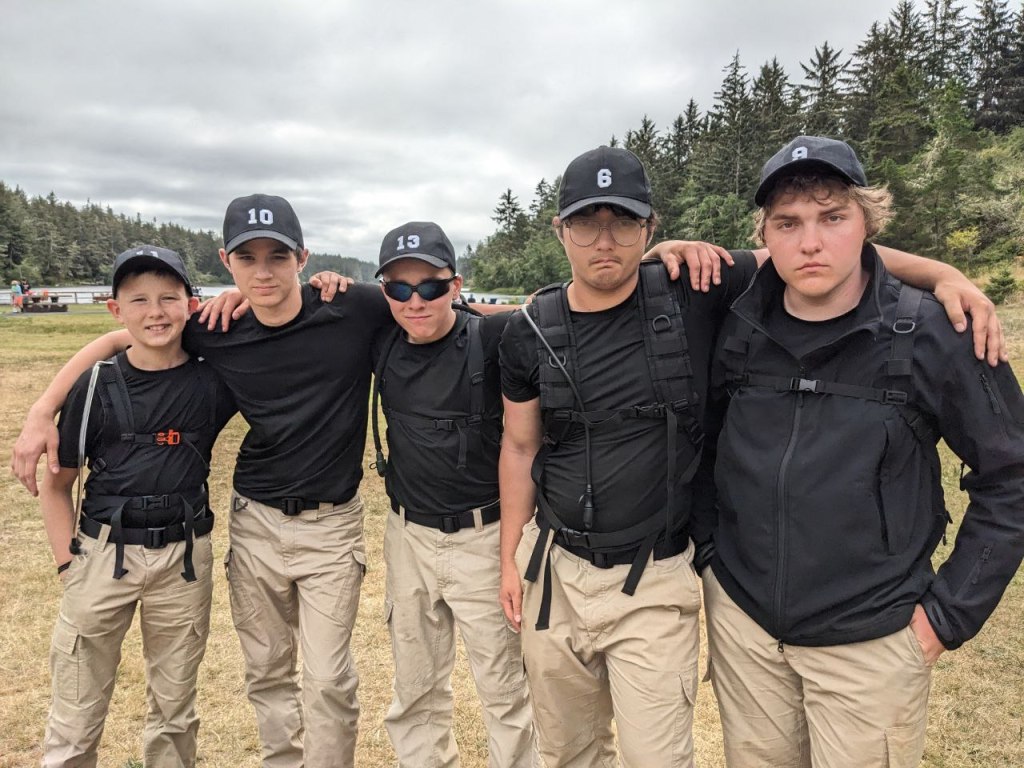
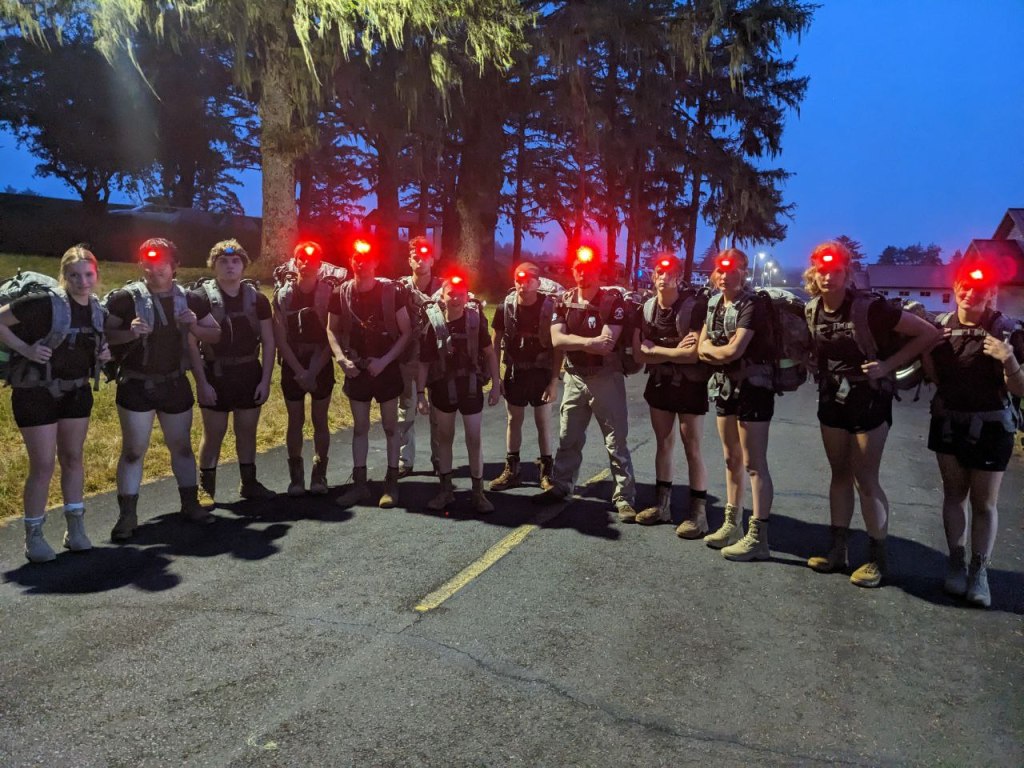
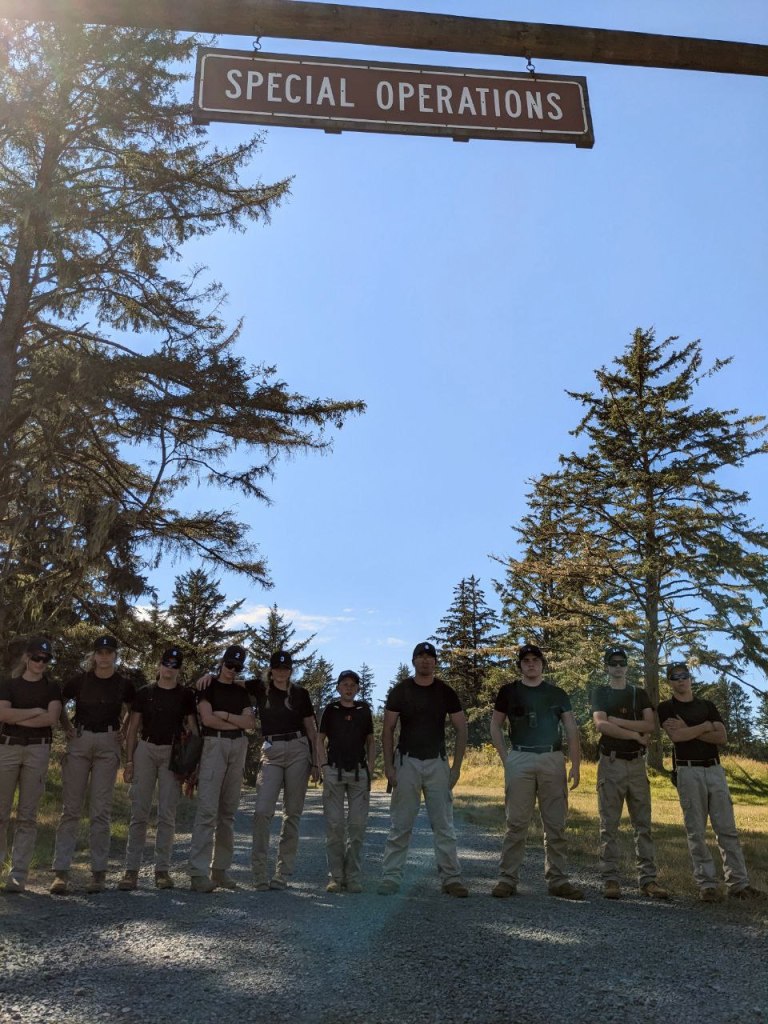
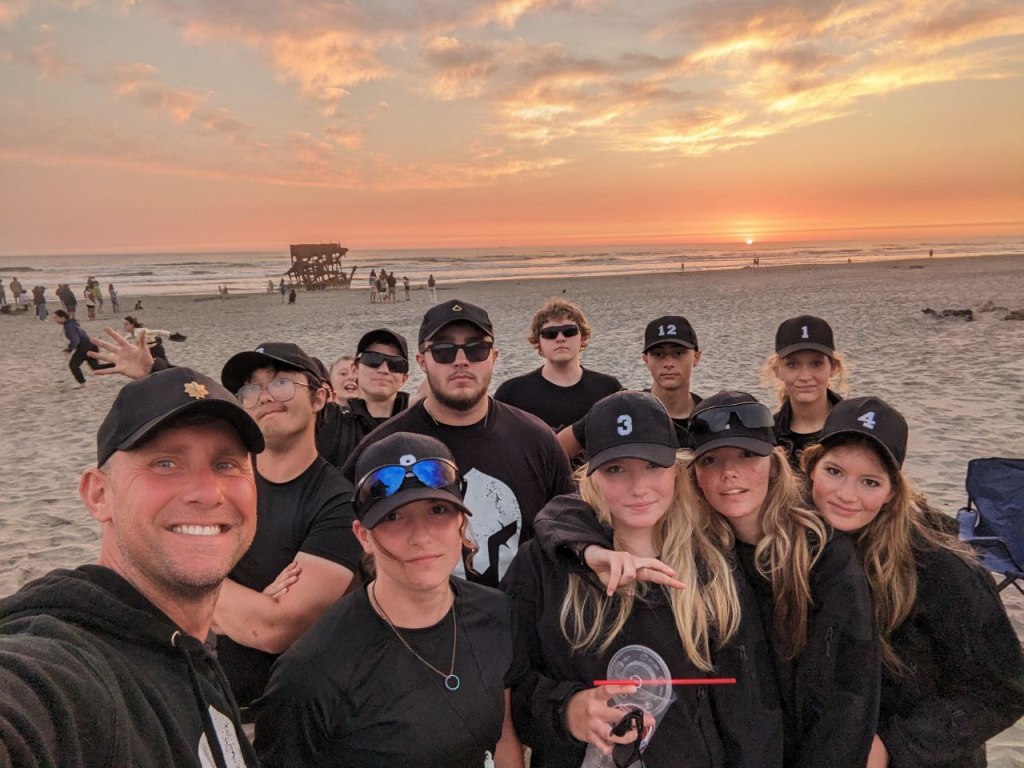
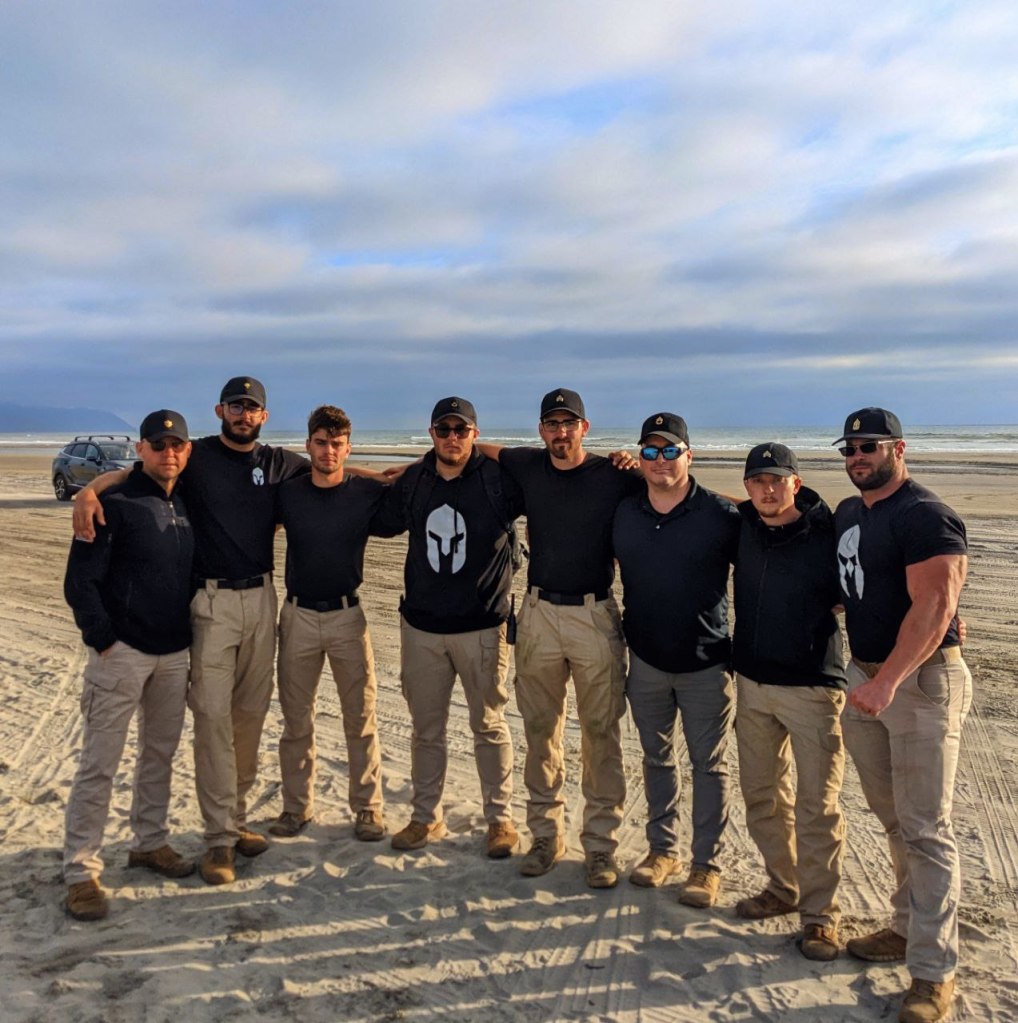
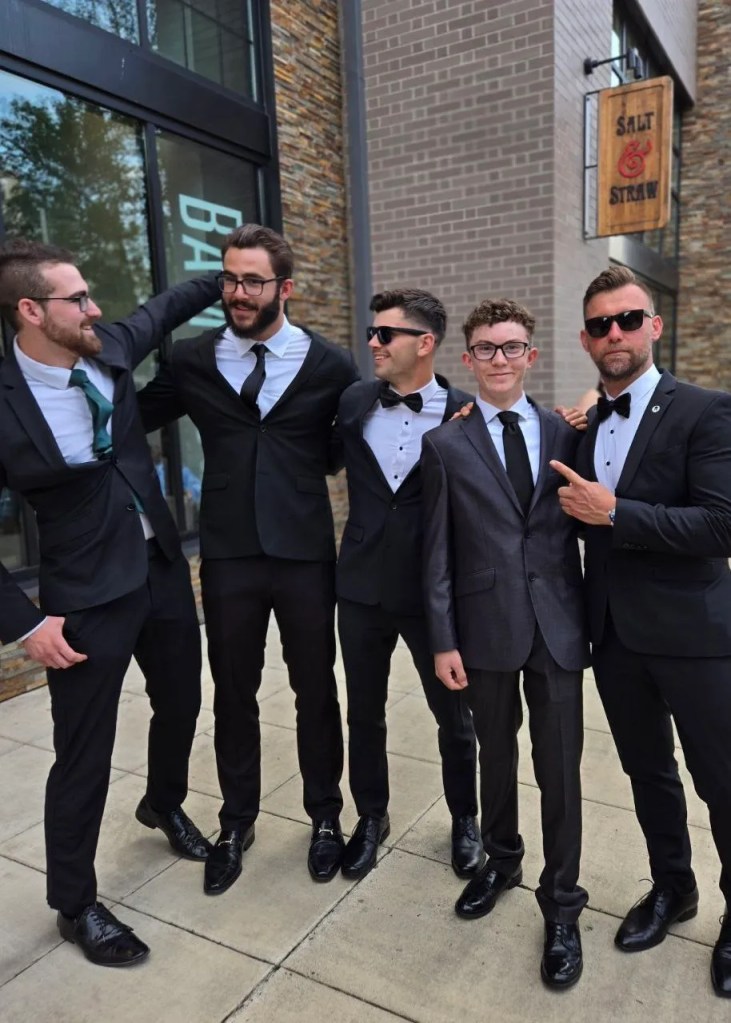
Andrey – Far Right
It Wasn’t Just Training—It Was an Awakening
“At a point before the Spartan Challenge, I genuinely had no clue what to do in life. This entire program opened a door to me with new perspectives… It enhanced my mind to a new level.” — Andrey, Trainee #9
Yes—that’s me. Before we ran our early Spartan evolutions, I didn’t know what direction to go in life. The process opened my head, my heart, and my mission. That awakening is what I want every young person to taste.
A Call to Every Parent, Mentor, and Leader
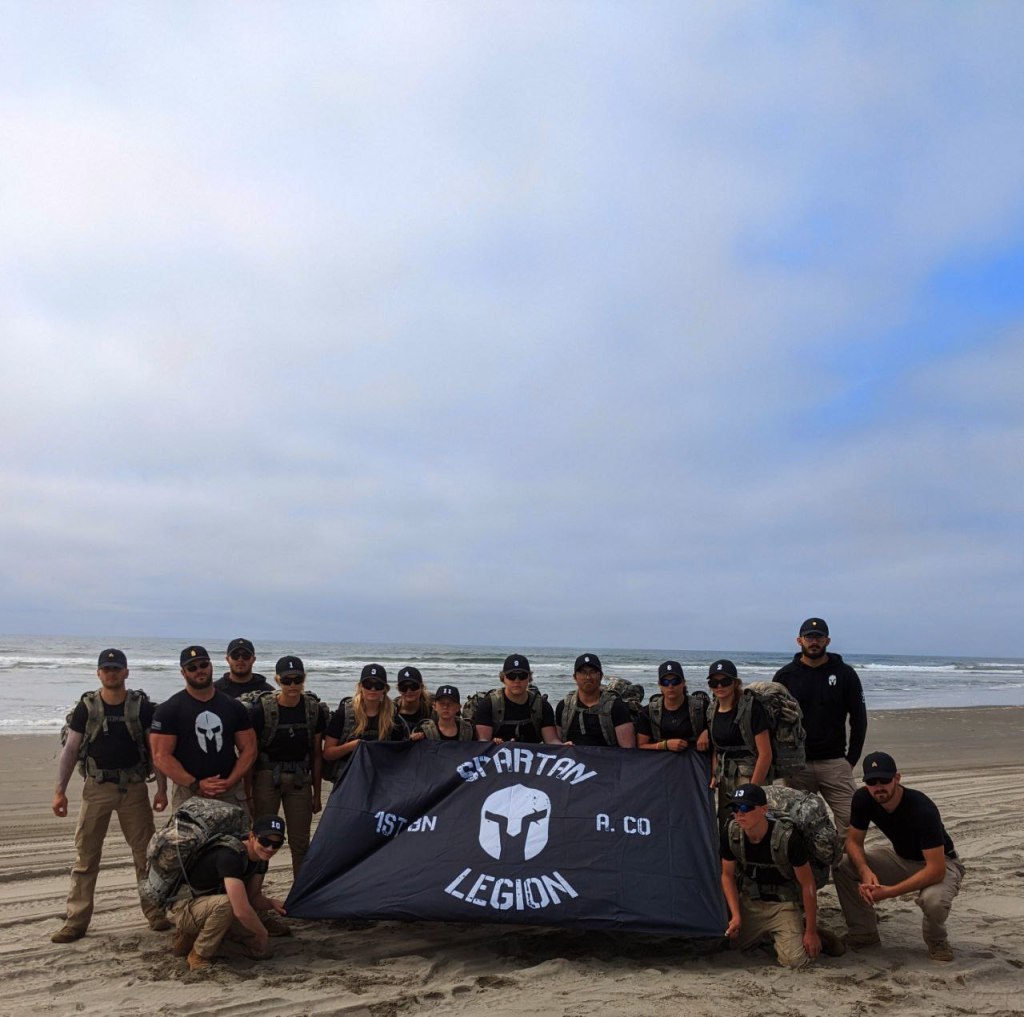
The Spartan Challenge isn’t a camp. It’s a forge.
We strip away distraction and hand youth real responsibility. We put them in teams where someone needs them. We give them missions where they will fail, reset, and try again until they get it right. That’s how confidence forms. That’s how leadership is born.
If you’re a parent: send them. If you’re a mentor: get them here. If you’re a leader in your community: help sponsor those who can’t afford it.
Here’s what one mother told us:
“They realized they could achieve much more than they had ever imagined… It has undeniably been an experience for my family—teaching us that discipline, leadership, and values are crucial for a successful and fulfilling life.” — Marissa Lauren, mother of trainees #1–4
Every young person who shows up unsure, isolated, anxious, or overwhelmed leaves different. Not just tougher—ready.
Find Your Part in the Spartan Mission (4 Ways Anyone Can Step In)
No matter who you are, you fit somewhere in this mission. Pick your lane and move.
1. Come Through the Fire (Youth). If you’re 14–20 and restless, stuck, screen‑tired, angry, or just hungry for real, come prove what’s in you. We’ll train you hard, push you clean, and you’ll leave with brothers and sisters you didn’t know you had. Our next Spartan Challenge class runs August 17–24, 2025. Lock your slot now. (If you’re younger, ask about Junior Warrior Training.)
2. Send Someone You Love (Parents • Grandparents • Mentors). Confidence isn’t downloaded—it’s earned. If a young person in your life is drifting, anxious, isolated, or needs direction, send them. I’ll send you the dates, gear list, and what to expect.
3. Sponsor a Trainee or Team (Business • Church • Civic Group • Veteran-Owned Company). Underwrite a slot, a squad, or an entire class so no one is turned away for cost. Right now we have 16 trainees who need sponsorships for the upcoming Spartan Challenge class, August 17–24, 2025. Step in and make sure they get to the line. Your dollars come back to your community as disciplined, service‑minded young leaders who are ready to work, serve, and solve problems. We advertise and publicly shout out our sponsoring businesses—featured stories, social media spotlights, training‑day acknowledgments, and where appropriate, logo placement on program materials. When you invest in these youth, we point our families and community to you.
4. Mobilize Your Community (Host • Volunteer • Advocate). Bring the Spartan Challenge—or Junior Warrior Training for younger ages—to your city. Host an interest briefing, lend training space, donate gear, feed a platoon, help with logistics, or plug graduates into apprenticeships and jobs. Communities don’t get strong by accident—they get built.
Sponsor a Spartan. Change a life. Watch it happen. We’ve got 16 motivated young men and women waiting for the next Spartan Challenge, August 17–24, 2025—but they can’t step onto the field without help. A full sponsorship covers tuition, gear, and training support so cost never decides who gets forged and who gets left behind.
When you sponsor, we don’t leave you in the dark. We’ll send you a Sponsor Brief with the profile of the trainee you funded (first name, trainee number, a short background + goals—with parent permission). You’ll get pre‑training prep notes, check‑ins during the week when possible, and a post‑graduation impact report so you can see what you helped build.
You also get public recognition: shout‑outs across our social channels, sponsor mentions during training week, and (when appropriate) your business name/logo in materials. Your generosity comes back as a disciplined, service‑minded young leader who will strengthen your community.
Reply “Sponsor 1” and I’ll match you with a trainee today. or Click here.
Can’t fund a full slot? Jump in for part of one—and watch your impact grow. Many families can cover some of the cost but not all. Your partial gift (tuition assist, gear kit, or travel support) helps us close the gap and put that trainee in the arena August 17–24, 2025. We stack partial sponsors until the slot is fully covered—every dollar moves a real kid closer to the line.
And yes—you’ll know who you helped. We’ll send you the profile of the trainee your support helped send, along with milestone updates (prep progress, training highlights when available, and a graduation follow‑up). If multiple sponsors support the same trainee, you’ll each get credited and kept in the loop.
You’ll also be recognized—group donor roll, periodic social shout‑outs, and sponsor thank‑yous to our families and alumni network. Businesses that jump in—at any level—show this community they back youth who step up.
Reply “Partial Sponsor” and Click here I’ll connect you with a trainee who needs help.
Word of Mouth Moves Mountains
Can’t sponsor? Not old enough to attend? Share it. Tell three parents, one business owner, and one youth. Send this page, text the dates (Aug 17–24, 2025), and invite them to ask me about open slots and sponsorships. Every conversation can put a young person on the field.
Word of Mouth Matters. Not ready for any of the above? You can still move the mission. Tell three parents, one business owner, and one youth. Share this page. Talk about it at church, practice, your job site, or over coffee. Lives change when people open their mouths.
GO • SEND • SPONSOR • MULTIPLY
Pick one. Message me “SPARTAN” (or tell me which lane you’re in) and we’ll take the next step together.
The field is open. The treasure is real. Who’s in?
My name is Andrey, and I believe every person was born with untapped potential—something deeper than talent, louder than fear, and more powerful than circumstance.
This blog isn’t just about motivation. It’s about activation.
Over the years, I’ve watched brilliant people stay stuck—trapped by fear, poor leadership, broken systems, or simply a lack of clarity. I’ve also seen people rise, not because they had more talent, but because they had training, truth, and purpose.
This space was created to help you break through what’s holding you back. Whether you’re a young leader just discovering your strength, a business owner trying to build something meaningful, or someone trying to figure out what’s next—this is for you.
Here’s what you can expect from this journey:
Raw Truth – I don’t sugarcoat potential. You’ll hear real stories, real strategies, and real challenges.
Frameworks for Growth – Leadership, mindset, negotiation, purpose, resilience, influence. You’ll get practical tools that actually move the needle.
Warrior Principles – We’ll talk about what it takes to be strong, ethical, and focused in a world full of distractions and excuses.
Unlocking Others – Human potential isn’t just about you—it’s about who you lift, lead, protect, and inspire.
If you’re looking for a picture and a -shirt, this isn’t the place.
But if you’re ready to unlock your potential, train your mind, align your actions, and lead with conviction—you’re exactly where you’re supposed to be.
Welcome to the beginning. Let’s build something that lasts.
— Andrey
Your partnership fuels hands‑on leadership training for youth who need it most.
Become a Partner– sponsor a trainee, volunteer your expertise, or collaborate as a business ally.
Donate Now – every dollar goes directly to scholarships for a Spartan (14–20) or Junior Warrior (5–13).
Together, we forge leaders who serve with courage, competence, and compassion. Join us today.
Let’s talk about the men who never left—but never really arrived either.
I’m talking about the dads in the house. The ones who show up to work every day. The ones who pay the mortgage, mow the lawn, and sit at the dinner table. The ones who never “abandoned” their families—but also never led them.
You know the ones.
They’re not alcoholics. They’re not abusive. They’re not out chasing girls or drugs or chaos.
They just… exist.
How can you “abandon” a role you never stepped into? Or never knew how? Apathic? Indifferent? Ignorant? None are an excuse.
They’re there—but not really there. They’re watching ESPN or YouTube after work, slumped in the same recliner they’ve been decomposing in since 2004.
They wake up, drive to the job they hate, bring home the check, and disappear behind a screen until bedtime.
On weekends? Same couch. Same screen. Same silence.
Let’s call it what it is: A silent death. A subconscious suicide.
And no one’s talking about it.
Because these guys don’t make headlines. They’re not out burning cities or overdosing in alleys. They’re just… wasting away in slow motion.
A staggering 52% of U.S. fathers say they feel “replaceable” in their households. That’s not by accident—it’s a system failure.
Only 17% of American homes have a father who is spiritually engaged—praying, mentoring, leading with intention.
Meanwhile, 70% of teens say they rarely or never have meaningful conversations with their dad.
You think you’re just “tired”? You think your job is just to provide?
No, brother.
You were created for more than rent checks and remote controls. You were built to carry weight. To protect. To lead. To disciple. To solve problems outside your own front yard.
Your family doesn’t just need your presence—they need your purpose.
You were designed to be a force. A spiritual weapon. A cultural thermostat.
But if your kids only know your shadow from the blue glow of the TV, what are they learning?
They’re learning that manhood is maintenance. That fatherhood is passive. That masculinity is just paying bills and dying slowly.
We’re raising sons who don’t know how to lead —and daughters who don’t know what to look for— because Dad was always just… there.
Not blazing. Not burning. Not dangerous in the right way.
Just present and asleep.
And I’ll say this with all the love and fire I’ve got:
Your couch is not your calling.
You were not put on this earth to make just enough money to die comfortably numb.
You were created to pierce the dark. To disciple your sons. To protect your daughters. To raise up generations and tear down strongholds.
But that doesn’t happen by accident.
That takes work. Fire. Real discomfort. Training. Brotherhood. Pain. Vision. That takes waking up.
This is why The Spartan Challenge isn’t just for lost young men— it’s for the “present but perishing” fathers, too.
Because if your kids never saw you bleed for a cause— if they never saw you pushed, tested, reshaped— how are they supposed to know what it looks like to stand strong?
If you want to be more than a wallet on a couch, then it’s time to reclaim your role.
Not just as a father. But as a warrior, mentor, and model.
The Spartan Challenge was built for men like you. Not broken. Not wicked. Just sleeping.
It’s 120 hours of pressure, clarity, fire, and rebuilding. It’s your alarm clock.
It will strip you down—physically, mentally, spiritually— and reveal what’s real underneath.
And when it’s done, your kids won’t just have a dad who pays the bills— they’ll have a man who leads the way.
Because here’s the truth:
If you don’t wake up now, someone else will influence your children. If you don’t fight for your family, someone else will feed them lies. And if you stay on that couch, you’re not saving energy—you’re slowly surrendering your legacy.
So stand up. Lace your boots. Face the fire.
Your family doesn’t need you alive in the living room. They need you alive in the battlefield.
It’s not too late. Apply for The Spartan Challenge. Share this post with a man you love who’s still on the couch.
Next time: We’re talking about legacy. About the long game. About what it means to build something that outlives you.
But for now? Get off the couch.
-Andrey
Ready to change a life?
Your partnership fuels hands‑on leadership training for youth who need it most.
Become a Partner– sponsor a trainee, volunteer your expertise, or collaborate as a business ally.
Donate Now – every dollar goes directly to scholarships for a Spartan (14–20) or Junior Warrior (5–13).
Together, we forge leaders who serve with courage, competence, and compassion. Join us today.