
Why the Spartan Leadership Pipeline Produces a Different Kind of Leader
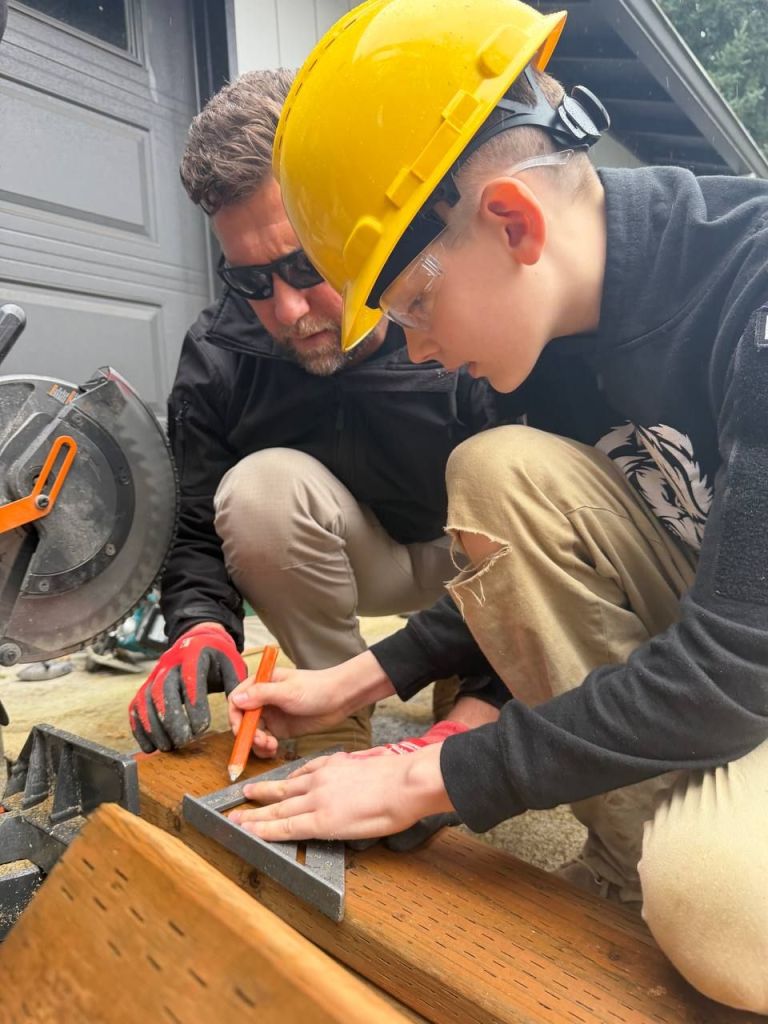
Most youth programs focus on exposure.
The Spartan pipeline focuses on transformation through pressure, responsibility, and repetition.
From Junior Warrior Training (JWT) → The Spartan Challenge (TSC) → Spartan Advanced Leadership Training (SALT), this is not a collection of classes.
It’s a multi-year leadership development system producing individuals who can think, act, lead, and execute when it actually matters.
The Real Problem: Youth Are Overstimulated and Underdeveloped
We’ve created a generation that:
- Knows information
- But struggles with execution
- Avoids pressure
- Lacks real-world confidence
- Has never been responsible for outcomes
And businesses are feeling it.
Employers aren’t struggling to find reliable workers.
They’re struggling to find stable, capable, accountable people.
The Spartan Pipeline: Built for Capability, Not Comfort
1. Junior Warrior Training: Early Identity & Responsibility
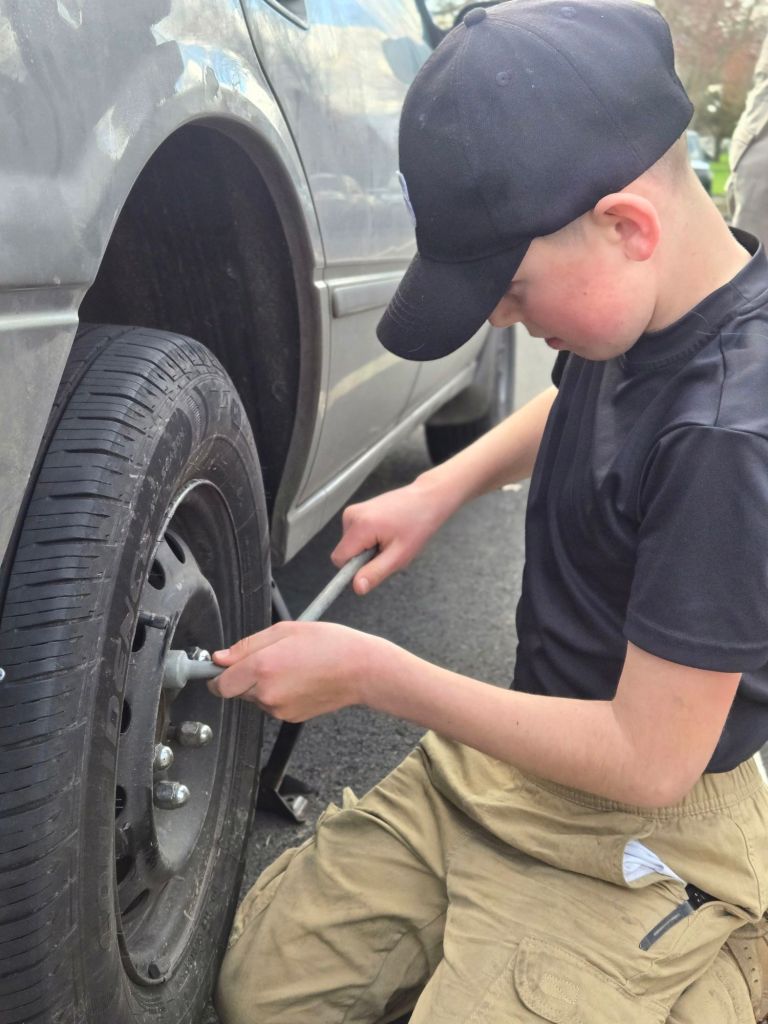
This is where it starts—and most programs miss this window entirely.
Junior Warrior Training builds:
- Responsibility through team-based missions
- Emotional control under mild stress
- Service mindset (others before self)
- Basic skills (first aid, survival, automotive, construction, teamwork)
But the real win?
Identity formation.
Instead of:
“I hope I can…”
They begin to believe:
“I am someone who shows up, solves problems, and helps others.”
That shift alone changes life trajectories.
2. Spartan Challenge: Pressure Testing Leadership (168 Hours)
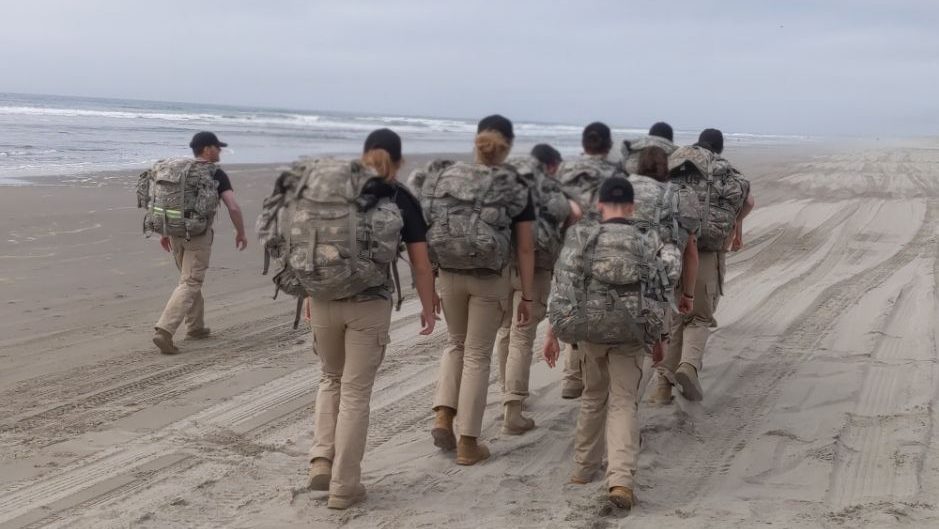
The Spartan Challenge is where most people break—or level up.
Trainees go through:
- High-pressure simulated missions
- Team leadership rotations
- Time-constrained problem solving
- Physical and mental fatigue environments
They cannot fake competence.
And that’s the point.
What this builds:
- Decision-making under stress
- Communication clarity
- Accountability to a team
- Adaptability in changing conditions
Research consistently shows that leadership experiences in youth significantly increase confidence, communication skills, and long-term employability .
But here’s what most studies don’t include:
Real consequence environments.
That’s where Spartan separates.
3. Spartan Advanced Leadership Training: Systems, Finances, and Life Architecture
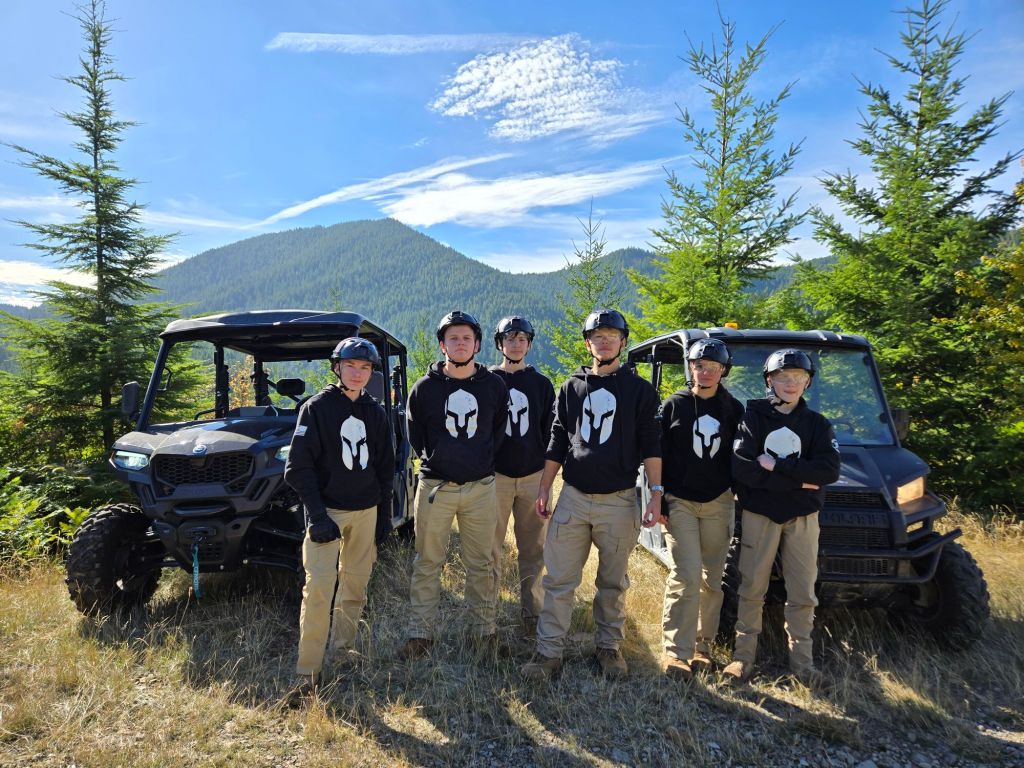
Over ~25 weeks:
- ~75 hours classroom instruction
- ~50+ hours applied assignments
- Ongoing mentorship and accountability
Total development time across pipeline: 400–500+ hours per trainee
Core SALT Capabilities:
- Financial systems & wealth structures
- Credit, lending, and leverage strategies
- Real estate portfolio structure & leverage
- Contracts (business, legal, relational)
- Communication & public speaking
- Critical thinking and multi-layer problem solving analysis
- Purpose development (WHY-driven living)
4. Instructor Development: The Missing Link Most Programs Ignore
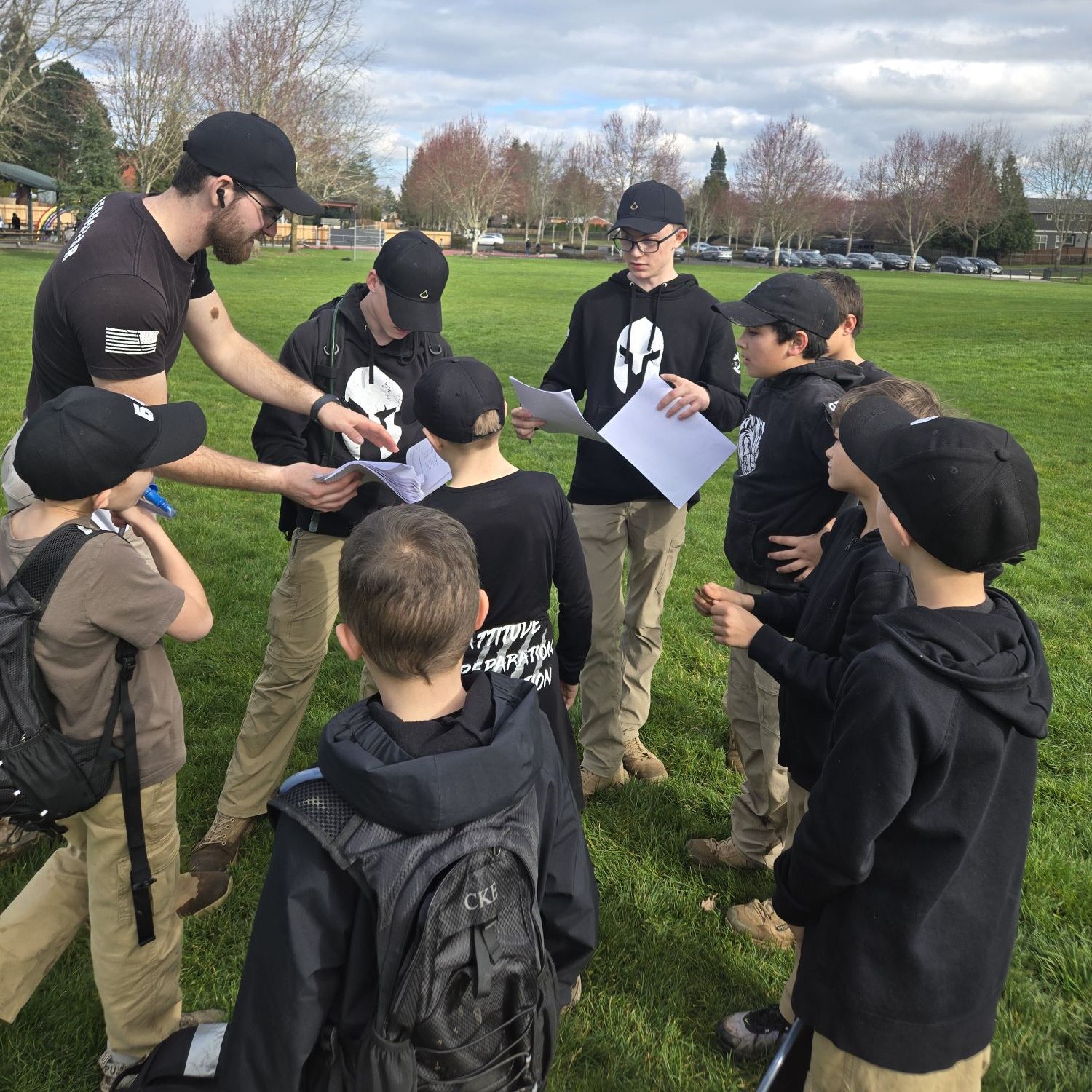
We develop students into instructors.
That changes everything.
Because now they:
- Train younger students (JWT)
- Lead teams and training programs
- Take responsibility for outcomes
- Learn to communicate and perform tasks
- Develop emotional intelligence
This is what research calls “peer-led leadership and mentorship,” and it’s one of the most powerful development accelerators available.
Programs using mentorship models show:
- 90% job retention past 90 days for graduates
- 72% gain clarity on career direction
And long-term data shows:
- 15% higher earnings
- $56,000+ lifetime income increase
- Higher college attendance rates
Why This Model Works
Most programs give:
- Information
- Motivation
- Exposure
Spartan Pipeline builds:
- Competence
- Confidence
- Character under stress
Research on youth development calls this the “Six C’s”:
- Competence
- Confidence
- Connection
- Character
- Compassion
- Contribution
Spartan doesn’t just check those boxes. It forces them to be earned.
Why This Matters for Business Owners
The business leaders are struggling to find, train and hire a competent workforce.
Job boards give you:
- Inflated resumes
- Low accountability
- High turnover
Spartan graduates bring:
- Performance and adaptability
- Team experience
- Communication ability
- Leadership readiness
Workforce programs that combine mentorship + real-world experience + skills training consistently outperform traditional hiring pipelines .
Why This Matters for Parents
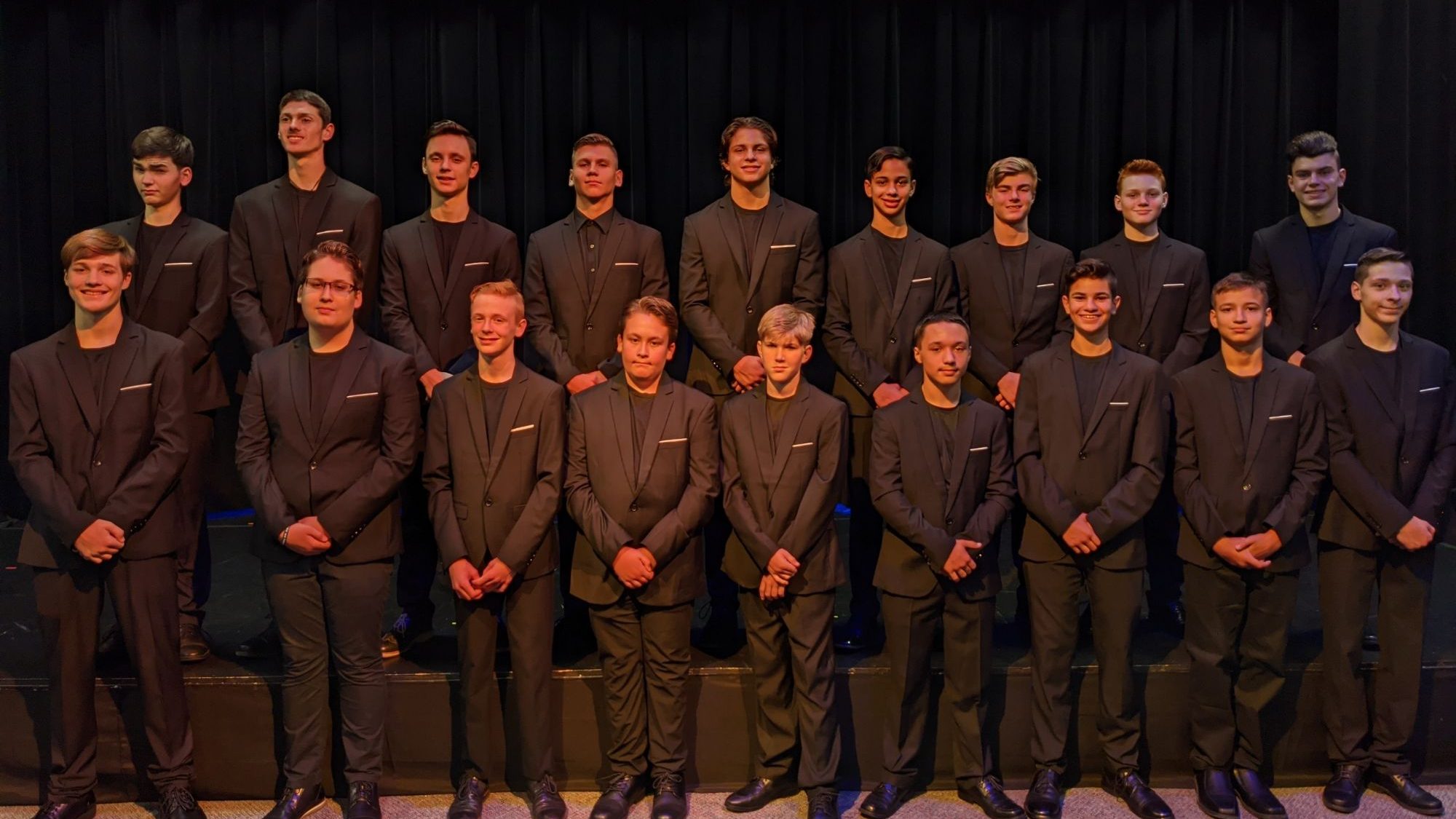
Parents want:
- Confident kids
- Purpose and direction for them
- Safety from toxic partners and environments
What they actually need to understand:
Confidence doesn’t come from encouragement.
It comes from:
- Doing difficult things
- Failing forward
- Leading self and others
- Being reliable
Programs like this don’t just “keep kids busy.”
They build:
- Emotional resilience
- Identity
- Purpose
- Real-world capability
Why This Matters for Youth
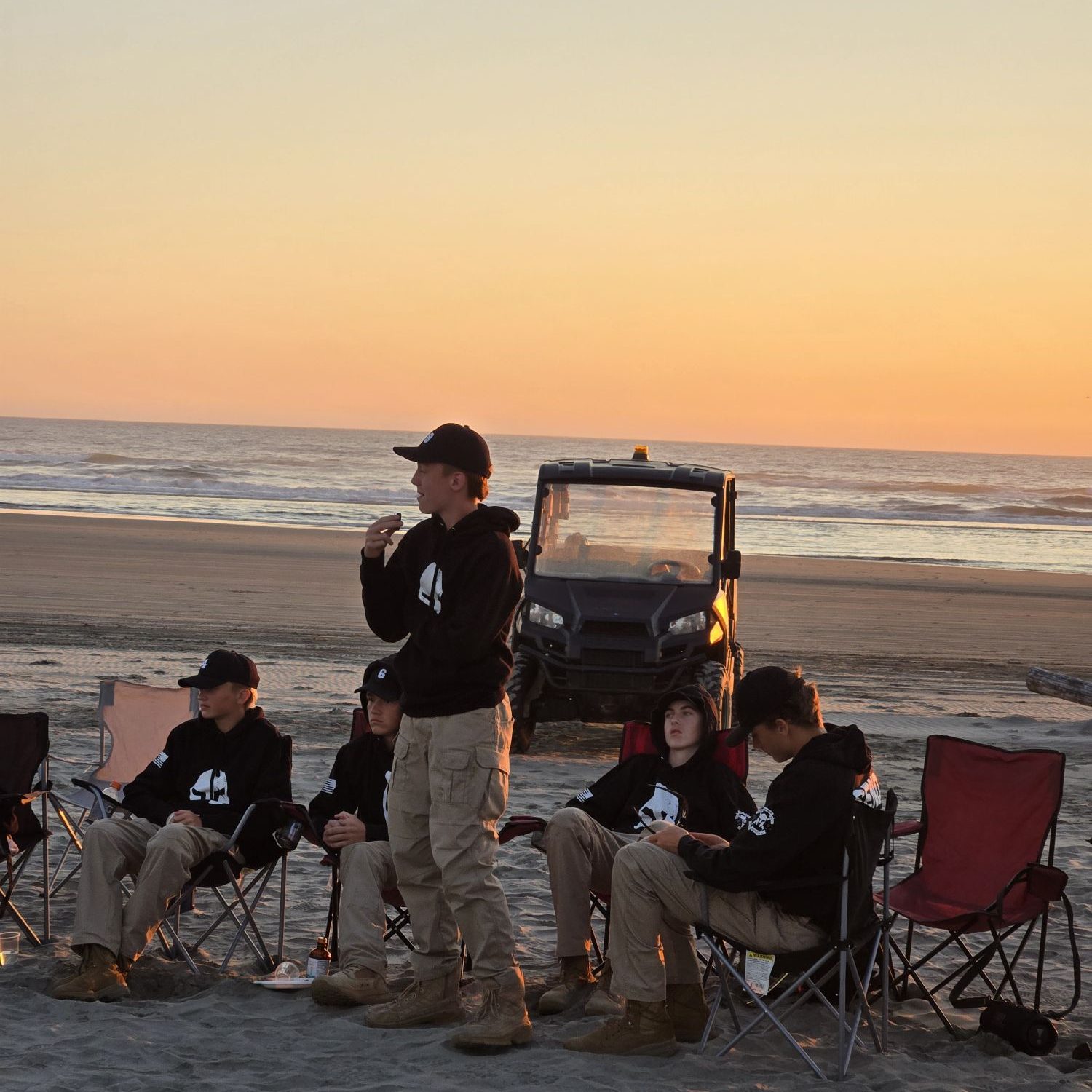
Most young people are asking:
- “What am I good at?”
- “Where do I fit?”
- “What’s my purpose?”
This pipeline answers that through challenges
They don’t just learn skills.
They discover:
- What they’re capable of
- How to lead others
- How to think critically
- How to create their future intentionally
Why This Matters for Communities
Communities don’t fail because of lack of resources.
They fail because of lack of:
- Vision
- Leadership
- Courage
- Competence
Youth leadership programs have been shown to:
- Improve social behavior
- Increase community connection
- Reduce crimminal behavior
- Build long-term economic mobility
Now imagine that… at scale.

Leave a comment