
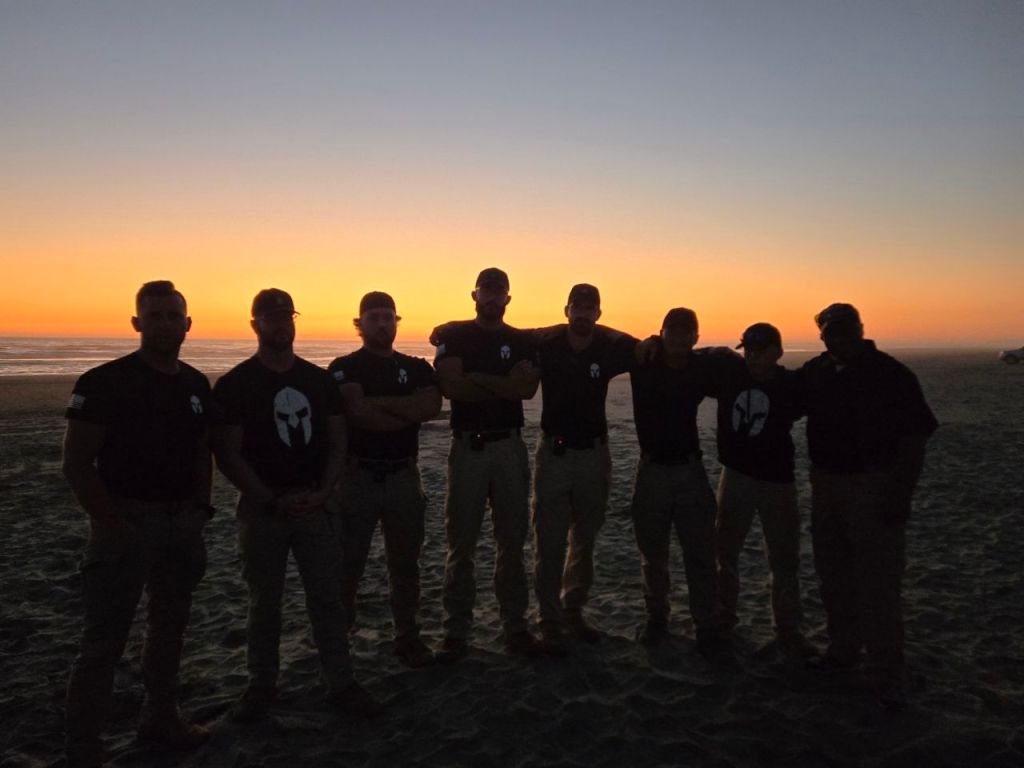
Modern society produces an unusual paradox.
More people today have access to information, credentials, and opportunities than any generation before them. Yet at the same time, many individuals have never been exposed to the kind of pressure that reveals who they truly are when comfort disappears.
A résumé can be polished.
An opinion can be rehearsed.
A persona can be curated online.
But pressure destroys the mask.
When fatigue sets in, when uncertainty rises, when responsibility becomes real—human beings fall back on the deepest layers of their psychology and biology. That is where character is revealed.
The Spartan Program was designed with that intent.
The Spartan Challenge (Ages 14–18) —–> Instagram
A one-week leadership training experience that pushes teenagers physically, mentally, and emotionally to build discipline, resilience, and real confidence.
The Spartan X (Ages 18+) —–> Instagram
An intense leadership course for adults designed to test limits, expose weaknesses, and develop decisive leaders who can perform under pressure.

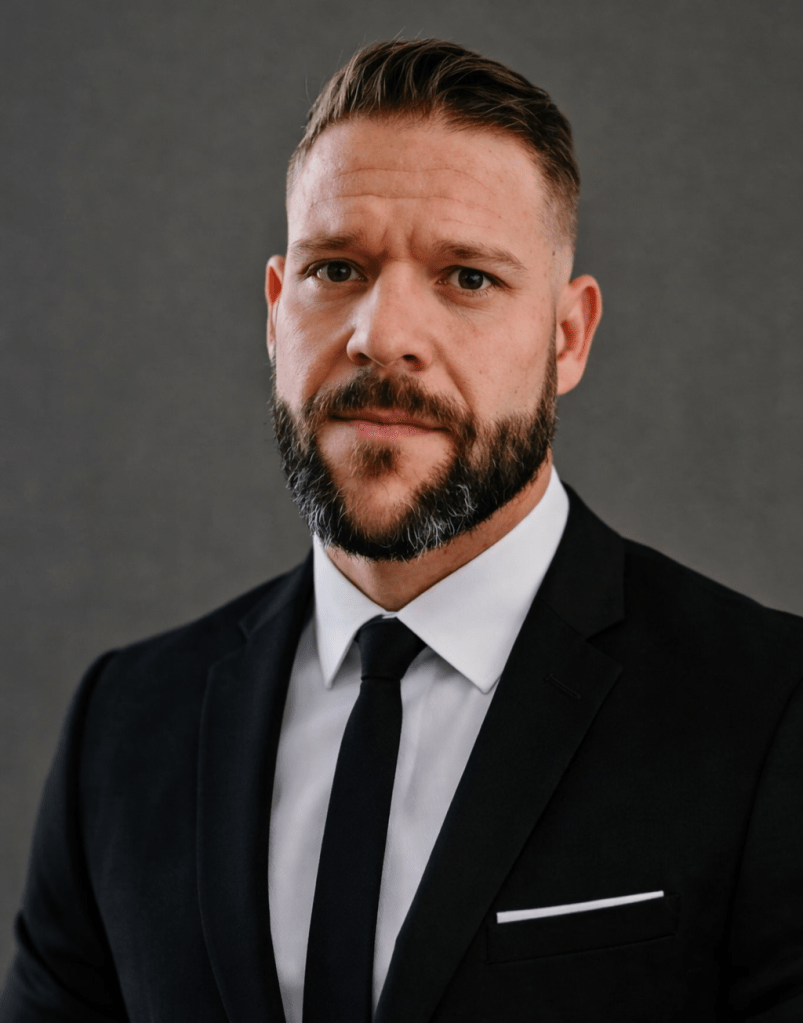
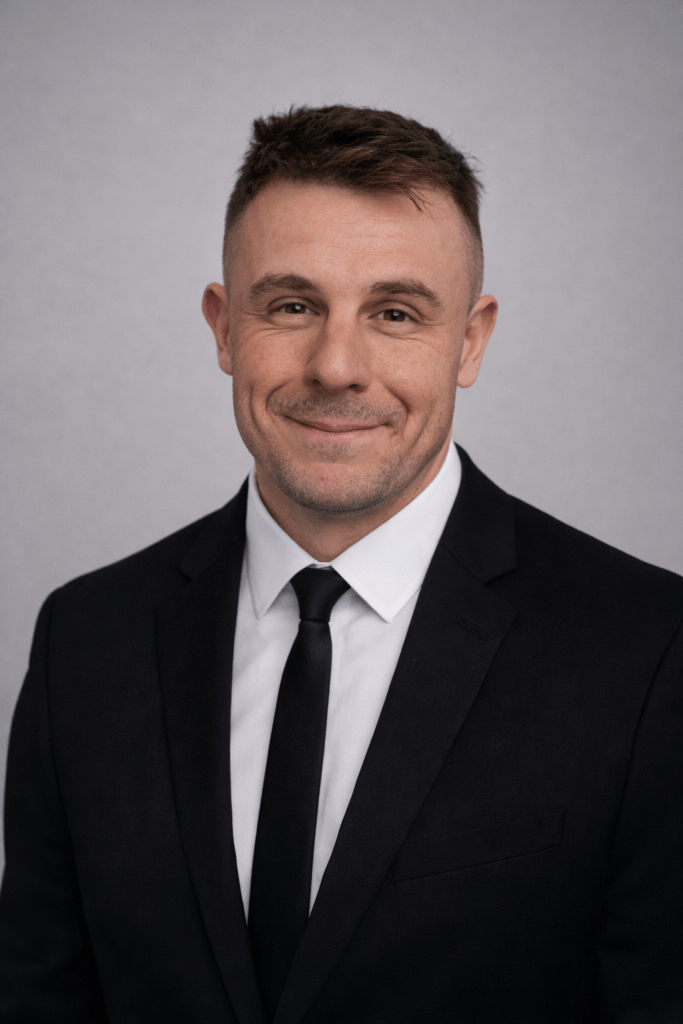
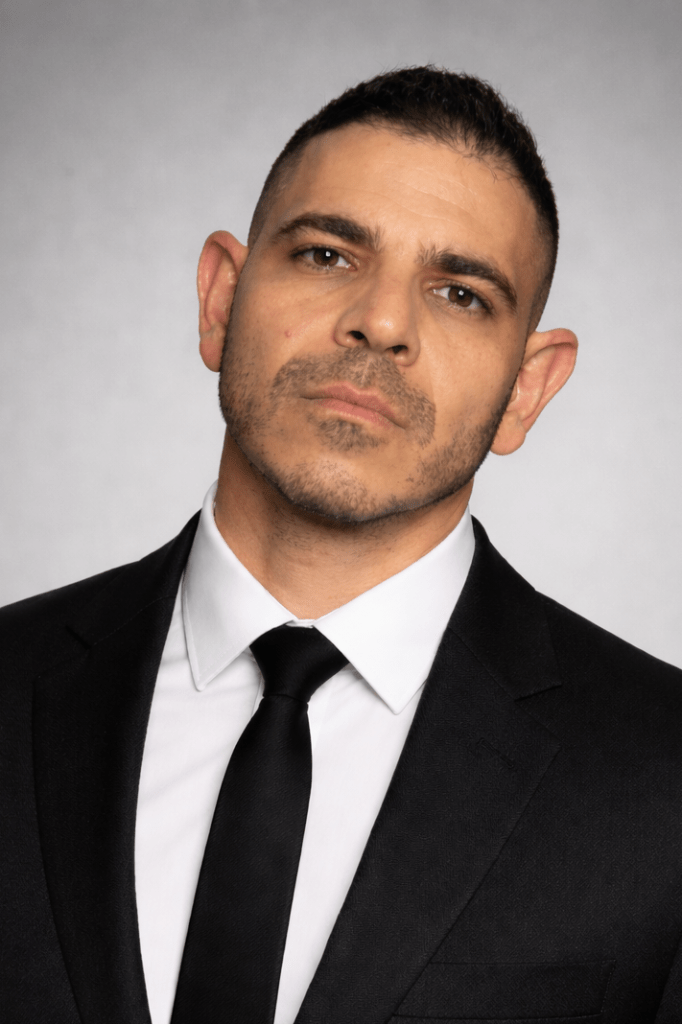
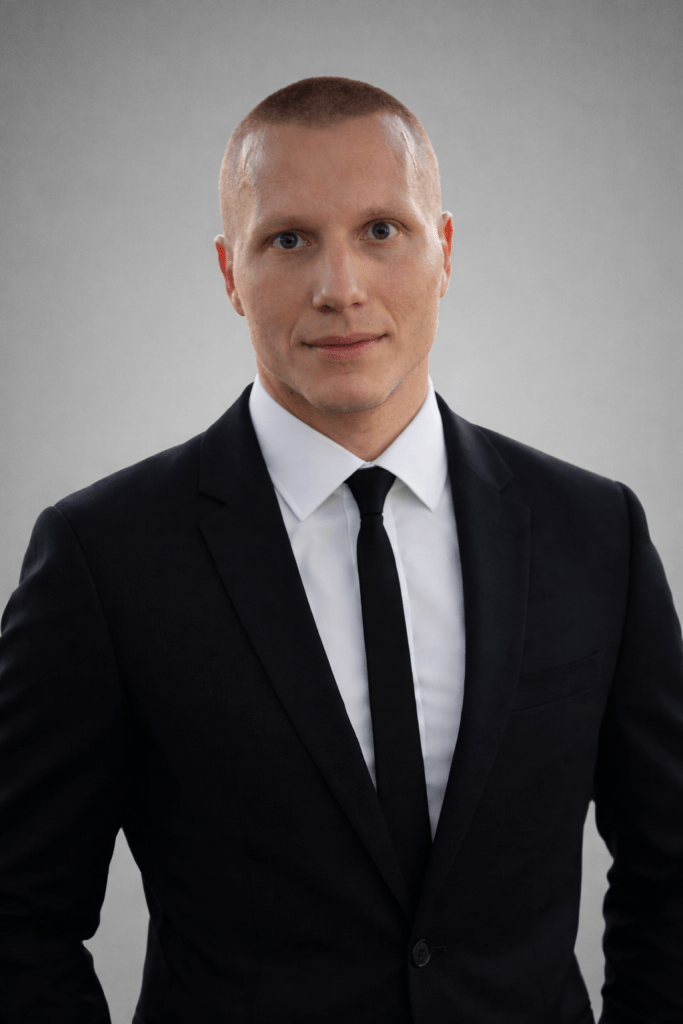


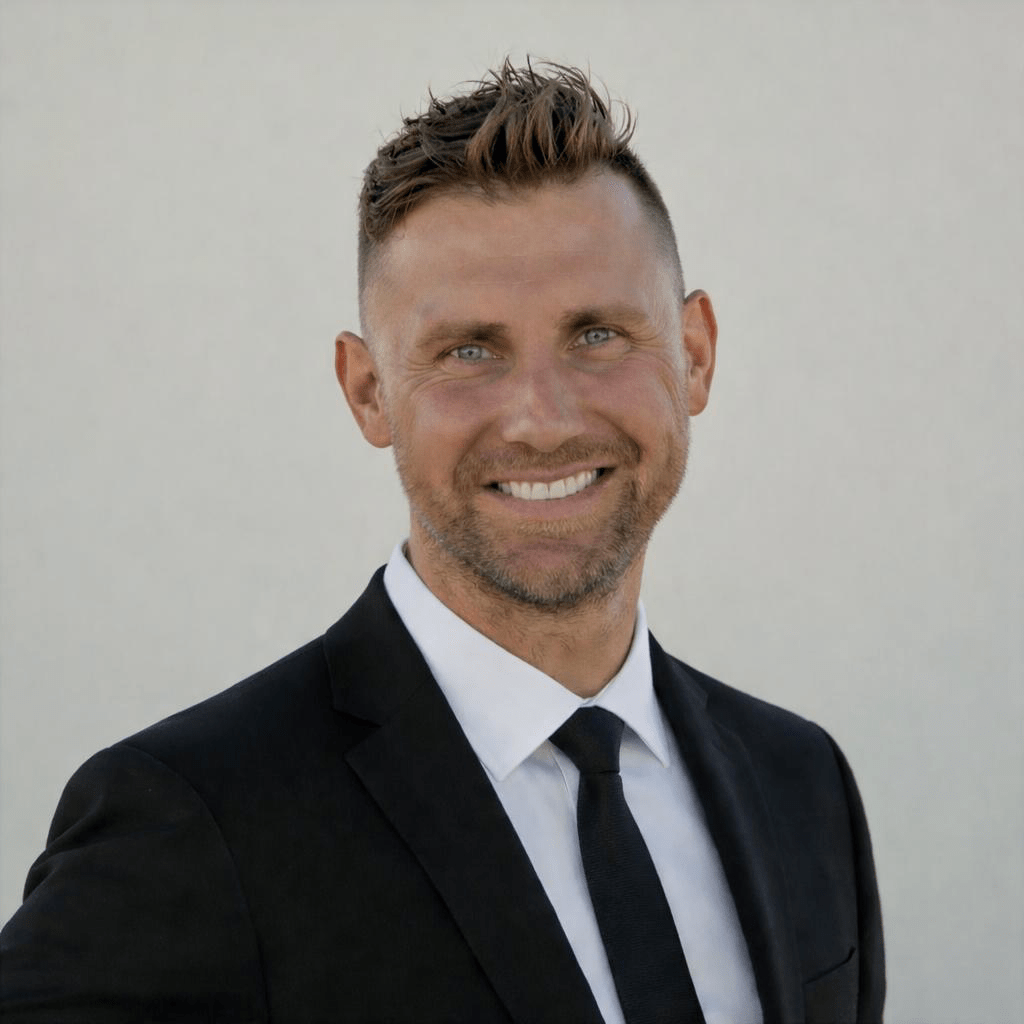
At the center of the program is a cadre of instructors—men with extensive experience in the development of the mind, body, and internal drive for purpose. Their backgrounds span military service, combat environments, tactical operations, leadership roles, emergency response, and years of working directly with people under stress.
But their authority does not come from titles.
It comes from how they choose to live daily.
Their credibility is built through continuous discipline, consistency, and the refusal to allow circumstances to dictate who they become.
That distinction matters more than most people realize.
Because human beings do not follow resumes.
They follow signals of authenticity and strength.
And the human brain is wired to subconsciously detect those signals instantly in the form of “gut feelings”.
Why Humans Follow Authentic Leaders
To understand why the Spartan model works, it helps to understand something about human biology.
Human beings possess what neuroscientists often describe as three interacting layers of the brain:
- The Reptilian Brain – responsible for survival functions such as breathing, heart rate, and basic threat detection.
- The Mammalian Brain (Limbic System) – responsible for emotion, bonding, belonging, loyalty, and social hierarchy.
- The Neocortex – responsible for reasoning, language, planning, and abstract thinking.
Most leadership training attempts to operate only at the neocortex level—logic, lectures, presentations, and information.
But human behavior is never governed by logic alone.
The mammalian brain—the emotional and social center—determines far more of human behavior than most people realize.
It is the part of the brain that constantly scans the environment for answers to four questions:
- Who has authority here?
- Who belongs to my tribe?
- Who can I trust?
- Am I safe or threatened?
These questions are answered not through speeches, but through behavioral signals.
Calmness under pressure.
Competence during chaos.
Consistency between words and actions.
When people detect those signals, the mammalian brain begins to relax and align with the leader in the environment.
That is why Spartan instructors do not rely on intimidation or theatrics.
They rely on presence.
Presence is a biological signal.
It communicates stability, competence, and trustworthiness to the limbic systems of the people around them.
And that signal is contagious.
Instructors Who Pursue Excellence—Not the Illusion of Perfection
Spartan instructors do not train from the illusion that they have “arrived.”
They are not presenting themselves as flawless men with life fully solved.
In fact, they openly acknowledge something most leadership environments try to hide:
Human beings are imperfect.
What separates strong men from weak ones is not perfection.
It is the pursuit of excellence despite imperfection.
Spartan instructors operate from three principles:
Excellence.
Duty.
Honor.
These are not slogans.
They are behavioral standards.
Excellence means the daily discipline to improve even when no one is watching.
Duty means accepting responsibility for the people around you.
Honor means living in alignment with your values even when it costs you something.
When a man lives this way long enough, something interesting happens psychologically.
He no longer needs validation.
He does not need to posture.
He does not need to exaggerate achievements.
He does not need to perform confidence.
His nervous system is simply stable.
And the mammalian brains of the people around him recognize that stability immediately.
That is why trainees quickly realize something important when they arrive in the Spartan environment.
The instructors are not there to impress anyone.
They are there to develop people.
Why Comfort Cannot Produce Leaders
The modern world unintentionally trains people to avoid discomfort.
Food is instantly available.
Entertainment is endless.
Validation can be manufactured online.
But the human nervous system did not evolve in comfort.
It evolved in environments that required adaptation, resilience, and cooperation under pressure.
When those pressures disappear, something predictable happens.
Confidence becomes fragile.
Identity becomes shallow.
Meaning becomes unclear.
The Spartan Program intentionally reintroduces constructive stress.
Through demanding physical tasks, time pressure, mission planning, and team responsibility, trainees are placed into environments where their usual coping strategies stop working.
Fatigue appears.
Frustration rises.
Doubts surface.
At that moment, the brain begins revealing something deeper:
The internal narratives people carry about themselves.
“I’m not capable.”
“I can’t lead.”
“I’m not strong enough.”
“I’ll fail if I try.”
These identity statements operate quietly beneath conscious awareness for years.
But when someone is placed into a challenging environment where those beliefs are tested, the brain experiences cognitive dissonance.
Reality contradicts the story.
And that contradiction opens the door for change.

Why “Fake It Until You Make It” Fails
Modern personal development often promotes the idea that confidence can be manufactured through performance.
Dress like success.
Act confident.
Project certainty.
Eventually it will become real.
But the brain does not work that way.
The mammalian brain is extremely sensitive to authenticity signals.
When behavior does not match internal belief, the nervous system detects it as incongruence.
That incongruence produces anxiety, hesitation, and loss of trust from others.
The Spartan Program does not rely on performance psychology.
It relies on identity reconstruction.
Every person arrives shaped by layers of cultural conditioning:
Family expectations.
Educational systems.
Peer groups.
Social media narratives.
These environments install beliefs about identity, competence, and purpose.
Some of those beliefs are accurate.
Many are not.
Within the Spartan environment, those beliefs are tested through real experiences rather than discussions.
If someone believes they cannot endure hardship, the mission tests that belief.
If someone believes they cannot lead others, responsibility tests that belief.
The instructor’s role is not to lecture.
It is to create conditions where reality exposes the truth.
Once false beliefs surface, they are corrected through coaching and repeated implementation.
New behaviors are practiced under pressure until the brain begins forming stronger neural pathways associated with competence and resilience.
That process is uncomfortable.
But it is also biologically effective.
Because the brain changes through experience and repetition, not motivational speeches.
The Neuroscience of Pressure and Growth
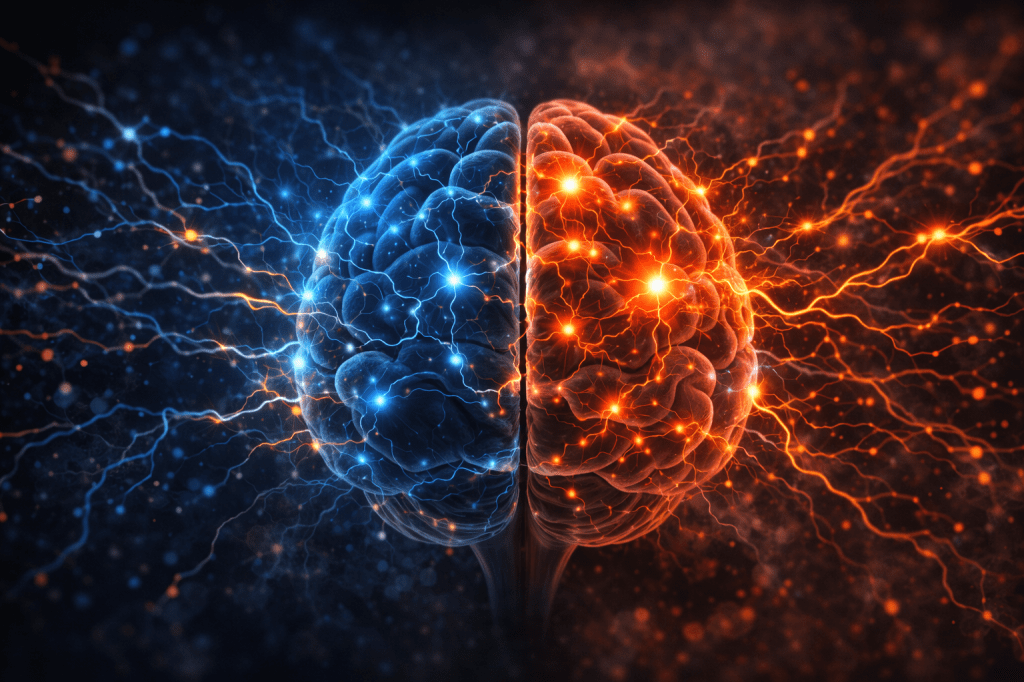
Neuroscience has shown that the brain changes through a process called neuroplasticity.
Neuroplasticity refers to the brain’s ability to reorganize neural pathways based on experience.
When a person repeatedly encounters a challenge and successfully adapts, the brain strengthens the neural circuits associated with that behavior.
This process involves several key biological systems:
The Amygdala
Detects threat and activates survival responses.
The Prefrontal Cortex
Regulates decision-making, problem-solving, and self-control.
The Dopamine System
Rewards effort and achievement, reinforcing motivation.
When trainees successfully complete a difficult task they previously believed impossible, dopamine and other neurotransmitters reinforce the experience.
The brain begins updating its internal model of identity.
“I survived that.”
“I solved that.”
“I led that.”
Those experiences begin replacing previous identity statements.
Confidence then emerges not from acting confident—but from evidence stored in the brain.
Tribe: The Biological Need for Brotherhood
Human beings are tribal mammals.
For most of human history, survival depended on belonging to a group.
Isolation was dangerous.
Belonging meant safety.
The mammalian brain still operates on that principle today.
Yet modern life has fragmented social structures that once provided strong tribal bonds.
Many people face challenges alone.
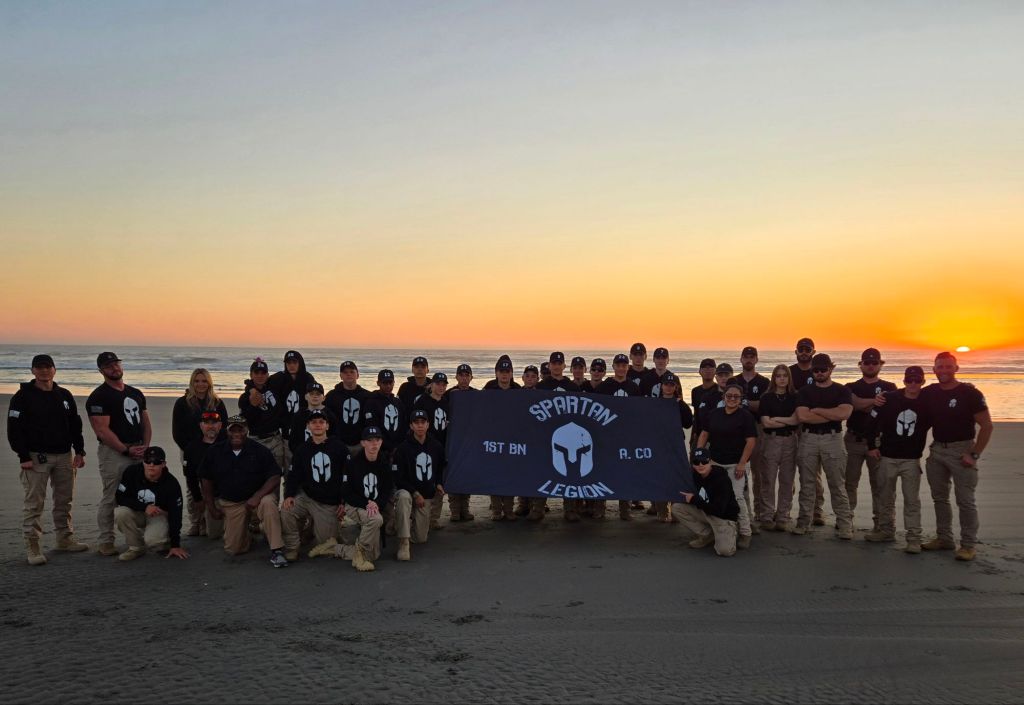
The Spartan Program intentionally rebuilds tribal cohesion through shared hardship.
When individuals carry weight together, solve problems under pressure, and endure physical fatigue side by side, the brain releases bonding chemicals such as oxytocin.
Trust forms naturally.
Posturing disappears.
People begin seeing each other as allies rather than competitors.
And something rare begins to emerge:
Men encouraging each other to rise.
Instead of competing to appear strong, they begin helping each other become stronger.
That shift creates a culture where influence is based on integrity and contribution, not ego.
An Invitation Into a Higher Culture
The Spartan Program is not simply a training course.
It is an entry point into a culture.
A culture with higher expectations.
A culture where self-respect matters.
A culture where strength is paired with humility.
Graduates do not leave as perfect men.
They leave with something more valuable:
A commitment to a lifelong pursuit of excellence.
A commitment to discipline.
A commitment to responsibility for the people around them.
When individuals raise their internal standards, families begin to stabilize.
When families stabilize, communities become stronger.
When communities are built by individuals pursuing excellence rather than comfort, the long-term trajectory of a nation begins to change.
The Spartan Program exists to help build those individuals.
Not through speeches.
Not through image.
But through pressure, brotherhood, and the relentless pursuit of becoming the person one was meant to be.

Leave a comment