Andrey Ivanov

Unlocking Human Potential

Andrey-Ivanov.com

  • From the Field  |  Andrey Ivanov

    Why You Keep Hitting the Same Ceiling

    You know the feeling.

    No matter how hard you try, you keep bumping up against something you can’t see. You push, you make progress, and then you fall back. Push again. Fall back again.

    People call it a glass ceiling, and most people blame the wrong things for it. They blame the economy, the boss, the timing, their luck.

    After years of putting people through the hardest five days of their lives and watching what actually holds them back, I can tell you there are two variables that matter. And almost nobody is honest about either one.

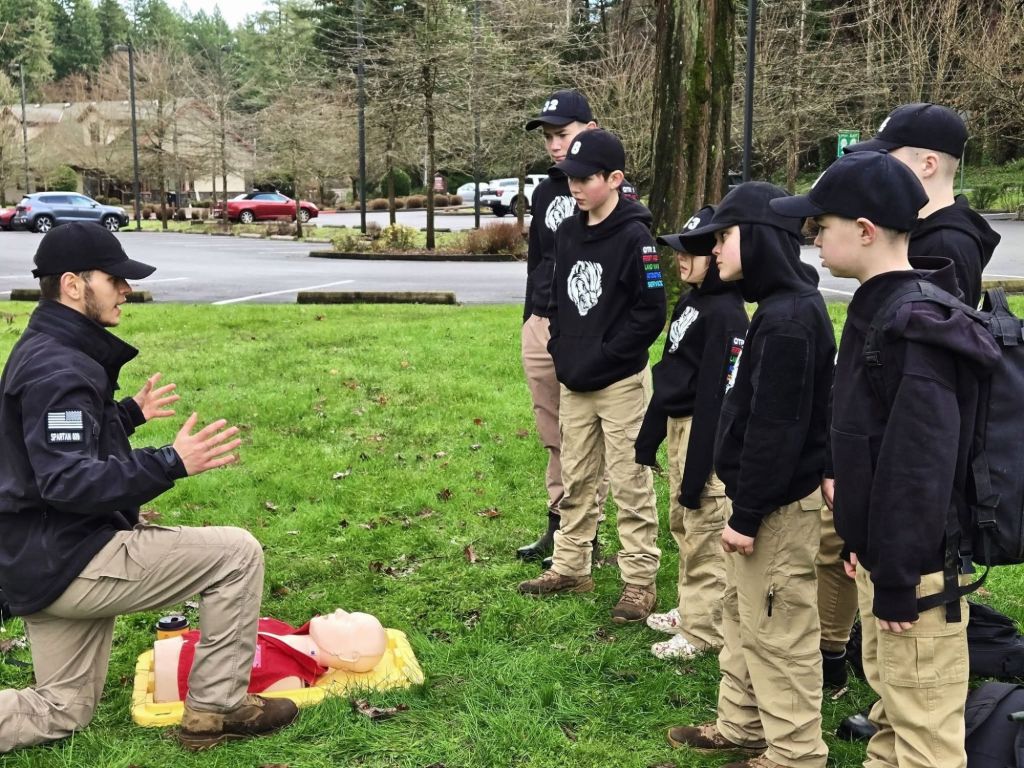
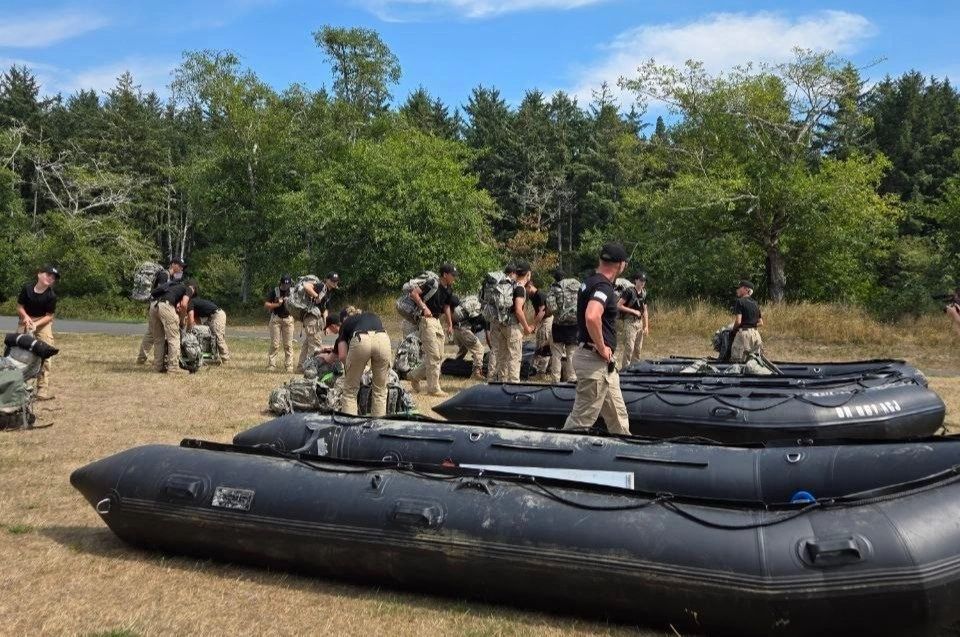
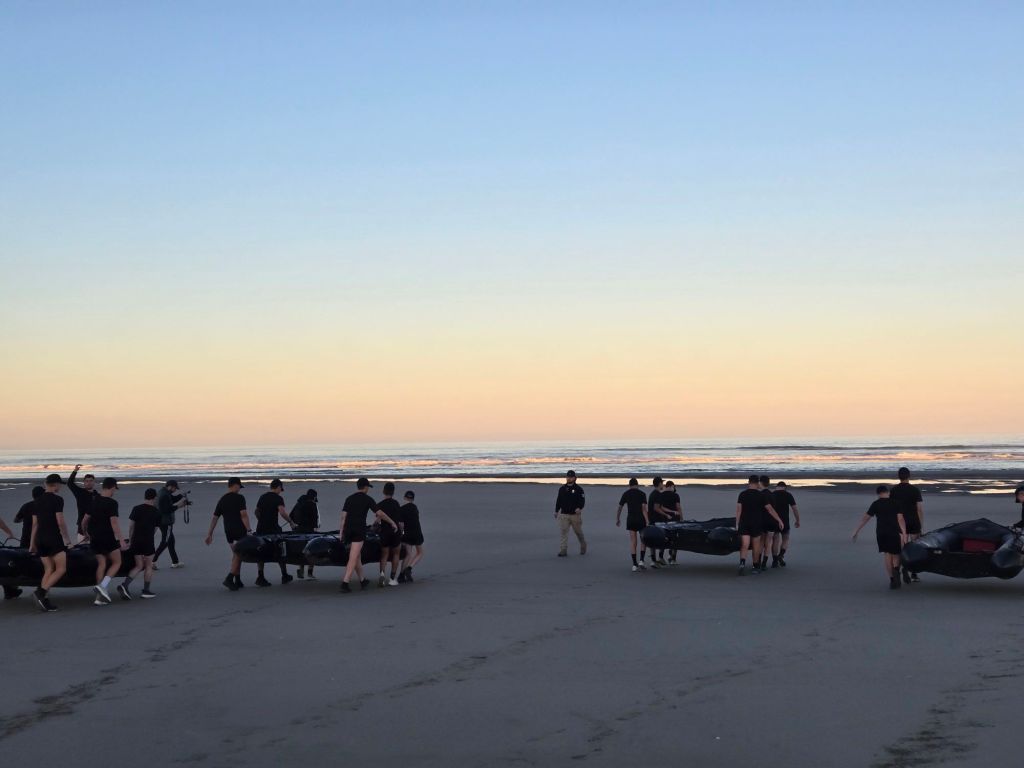
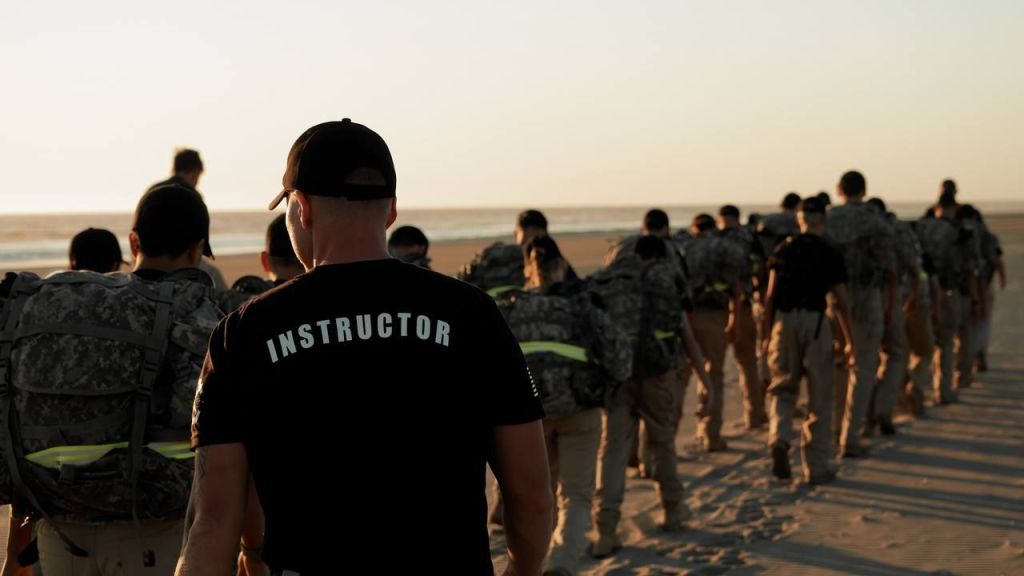
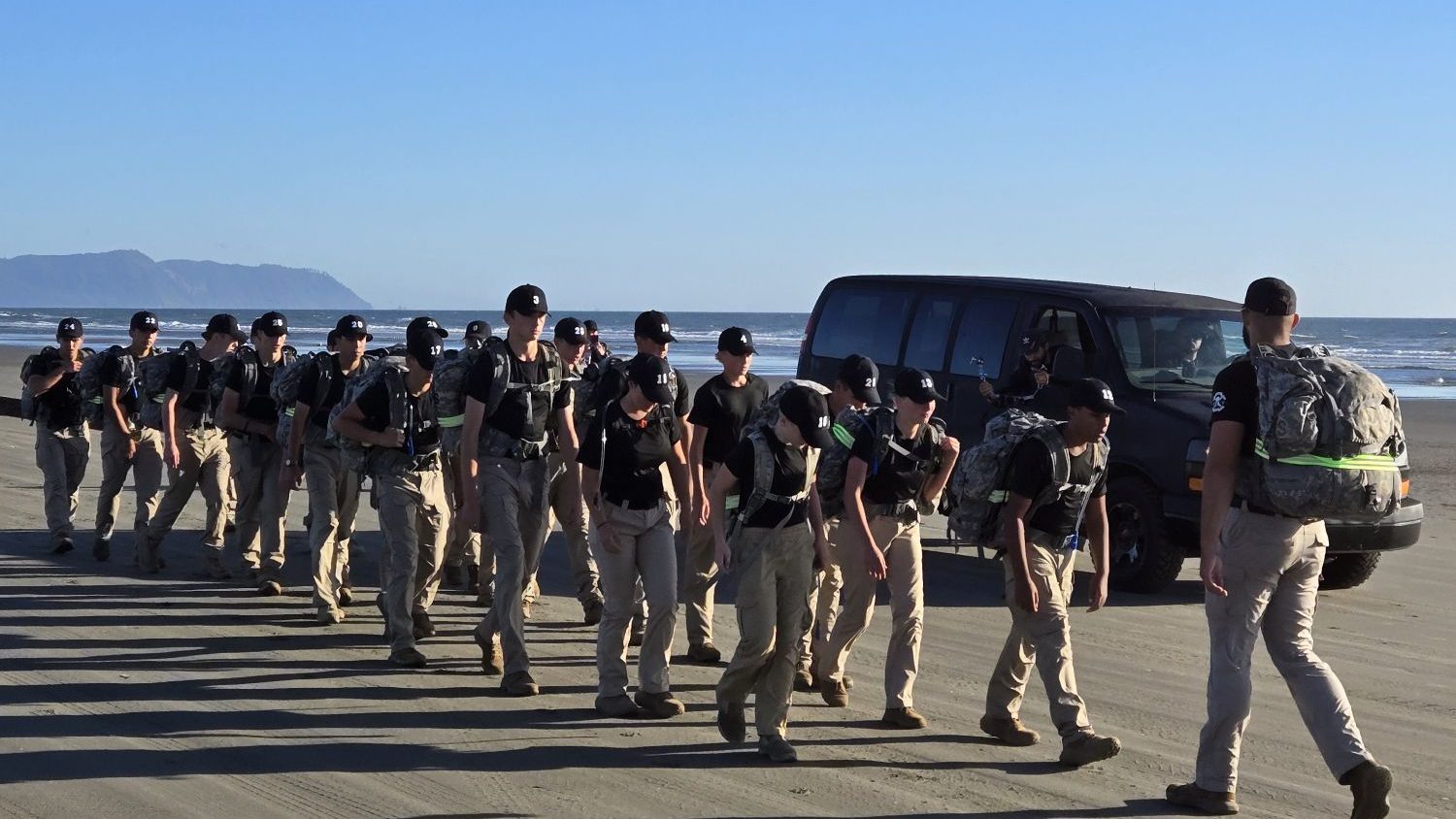
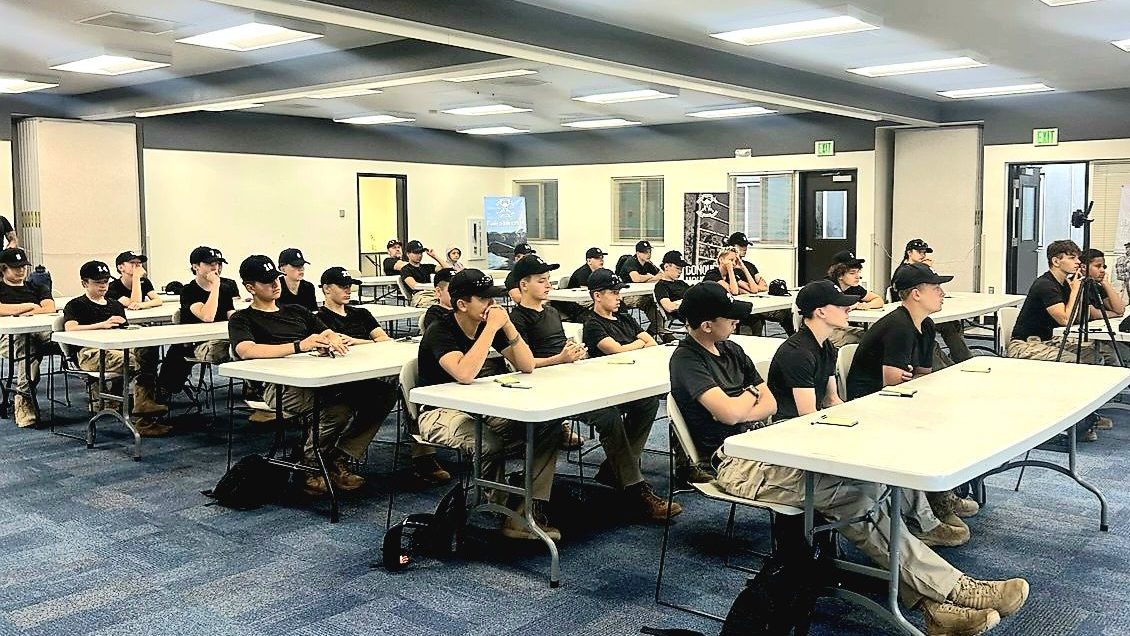
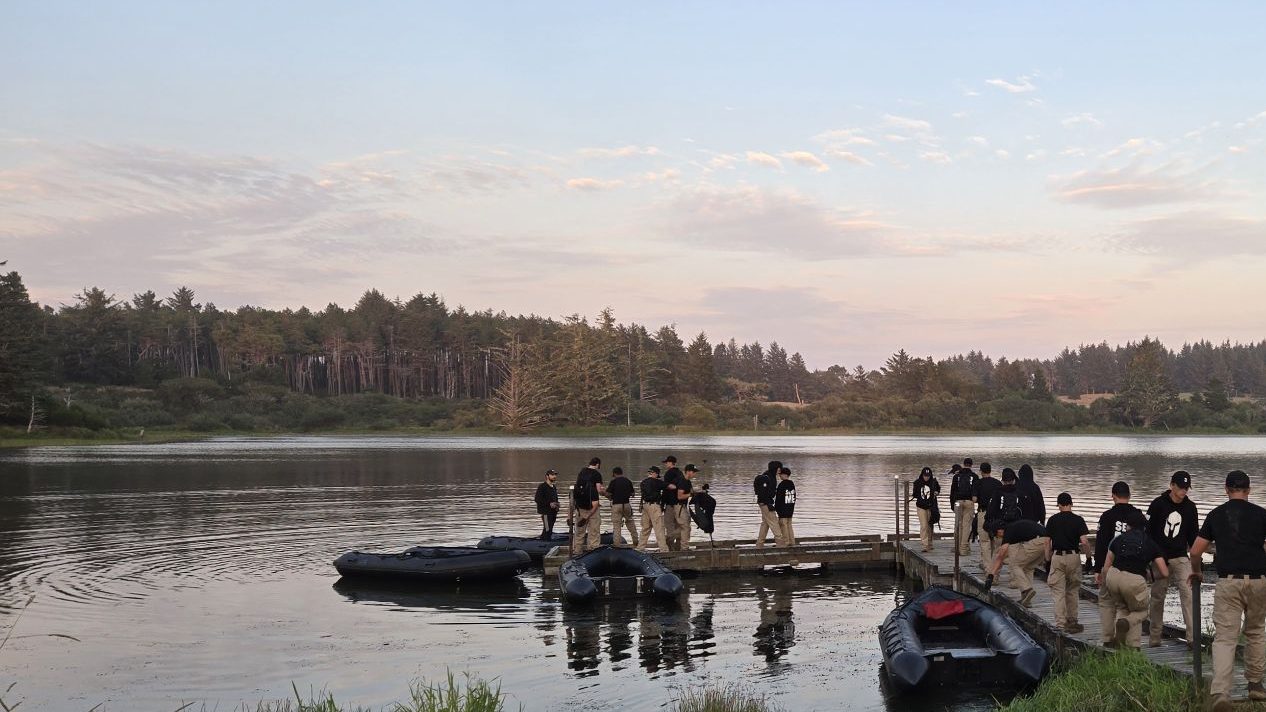
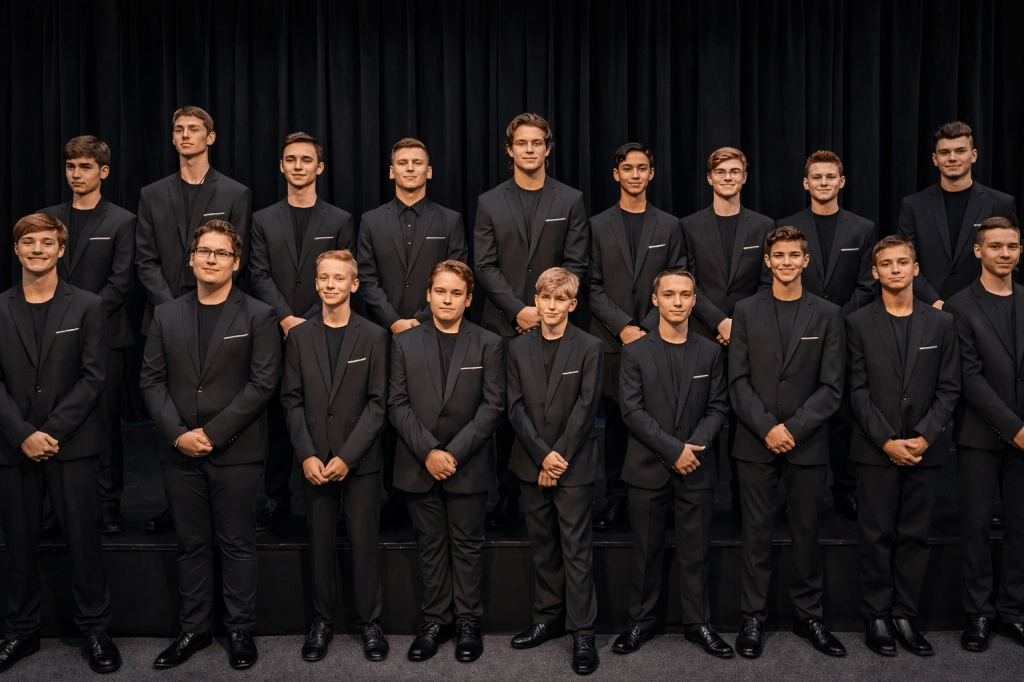
    Spartan course class before a ruck march

    Variable One: You Are the Sum of Your Habits

    The first variable is personal. And I want to address this one first, because it’s the one you can take responsibility for, and taking responsibility is the right thing to do.

    There are things you continuously do that are limiting your own growth. Some of it traces back to childhood. Some of it is cultural. Most of it you can’t even see, because you’ve been living inside it your whole life.

    Some people became their own worst enemy. They are causing the very suffering they keep trying to escape, and they don’t even realize they’re doing it.

    I’ve seen this in someone who is barely an adult. I’ve seen the exact same thing in an accomplished fifty-five-year-old CEO. Same issue. Different resume.

    You cannot fix what you cannot see. That’s why the right environment matters so much: a furnace, where someone who is watching you operate under real pressure can observe the thing you do and give you an adjustment. Those adjustments are huge. They change trajectories.

    Variable Two: Your Environment Will Make or Break You

    Now the second variable, and this is the one people resist hearing.

    You can do all the things correctly. You can say all the right words, invest all the proper money into all the proper places. But if your environment is not conducive, you will not win.

    Even Jesus was not recognized as a prophet in his own land. Take that religiously or not, the principle holds: in a household where everybody is always negative, you cannot win. Because anything meaningful you will ever do is going to be hard, and in your most difficult moments, that environment will pull you under instead of holding you up.

    So remove yourself. Fire the friends who are going nowhere and want company. Step out of the family environment that tears you down. You don’t have to hate them. You don’t have to be mean to them. But remove yourself.

    Show me your friends, and I’ll tell you your future. A higher caliber of minds around you will pull you higher. Your small ideas simply won’t have room to survive in that space.

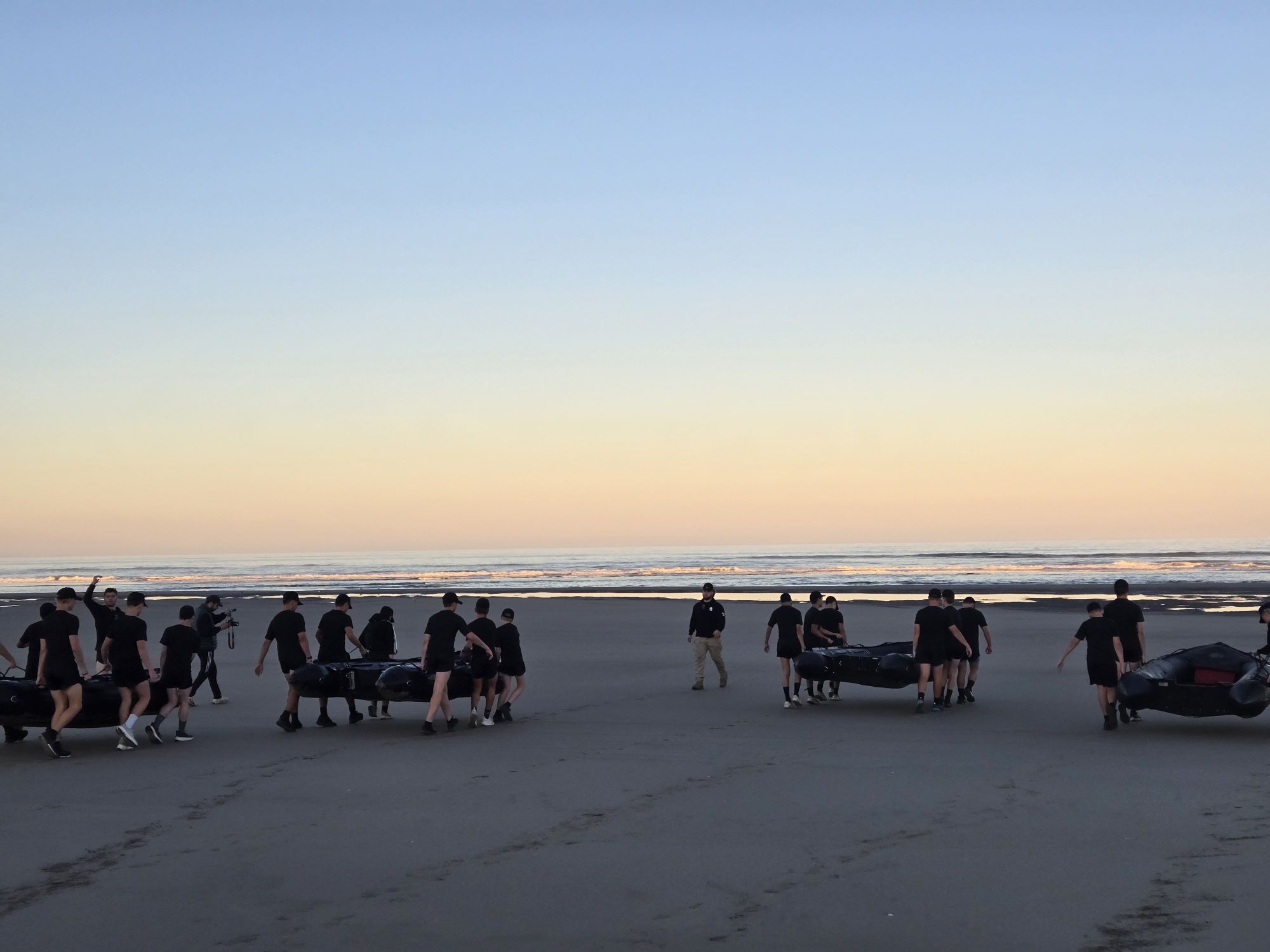
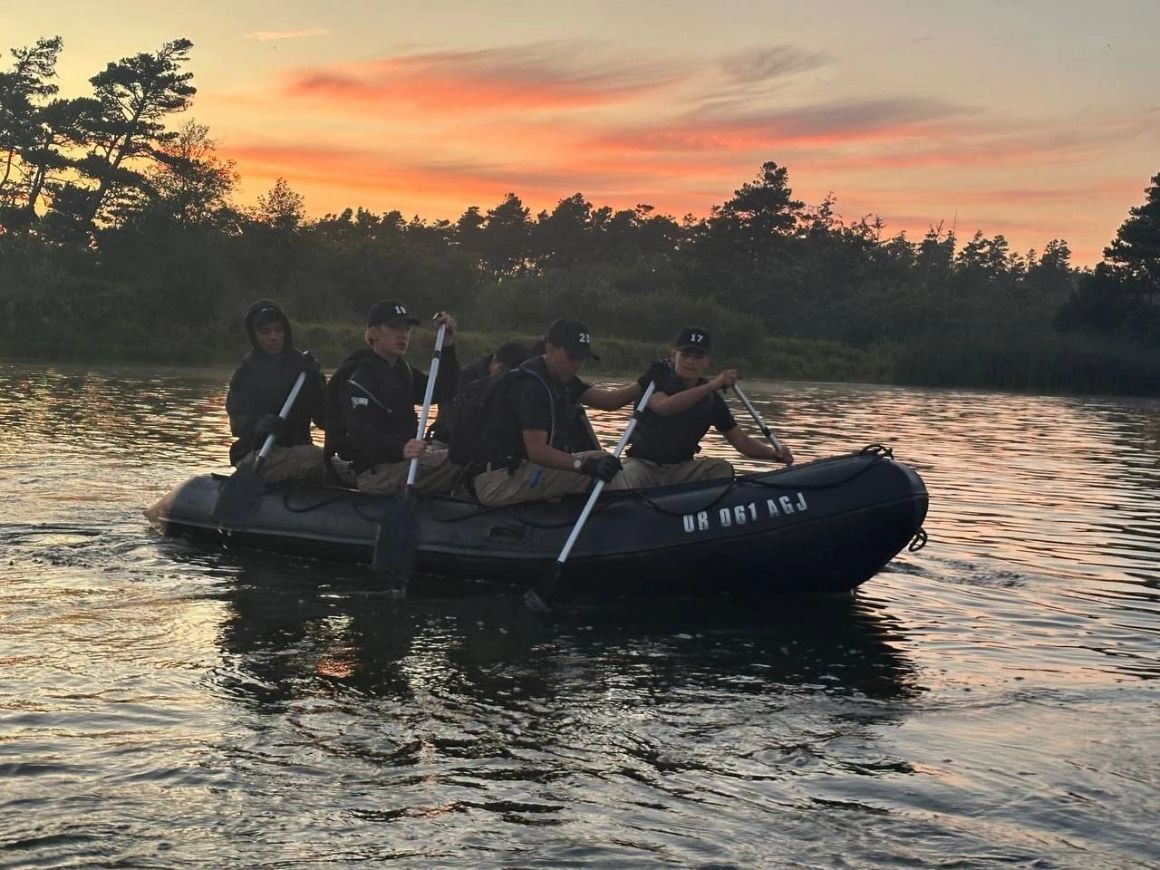
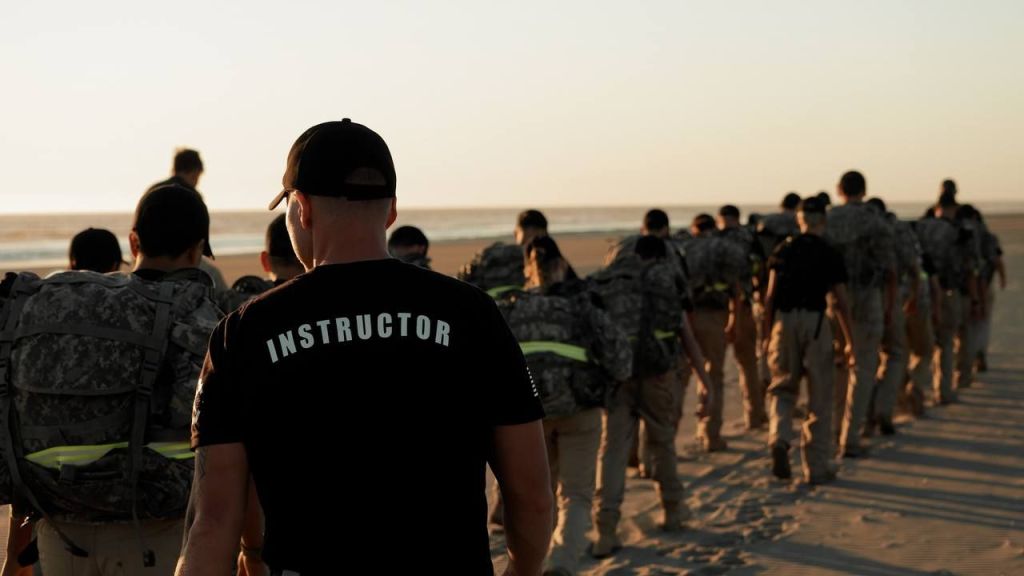
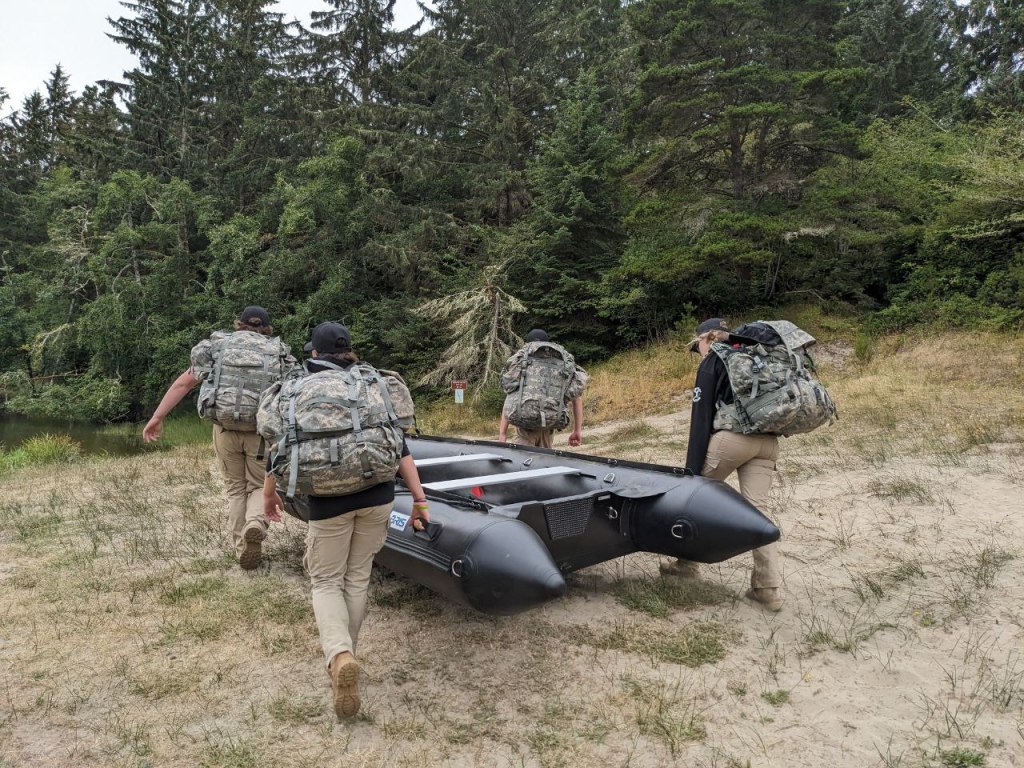
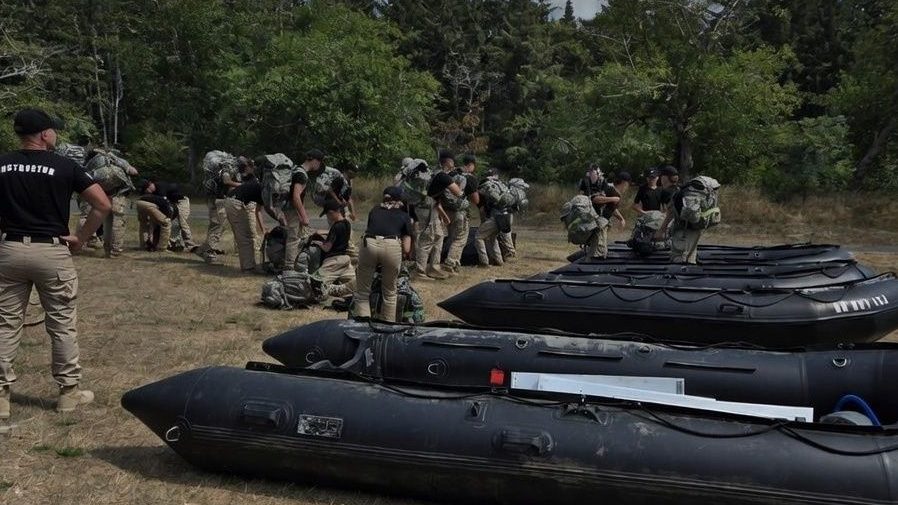
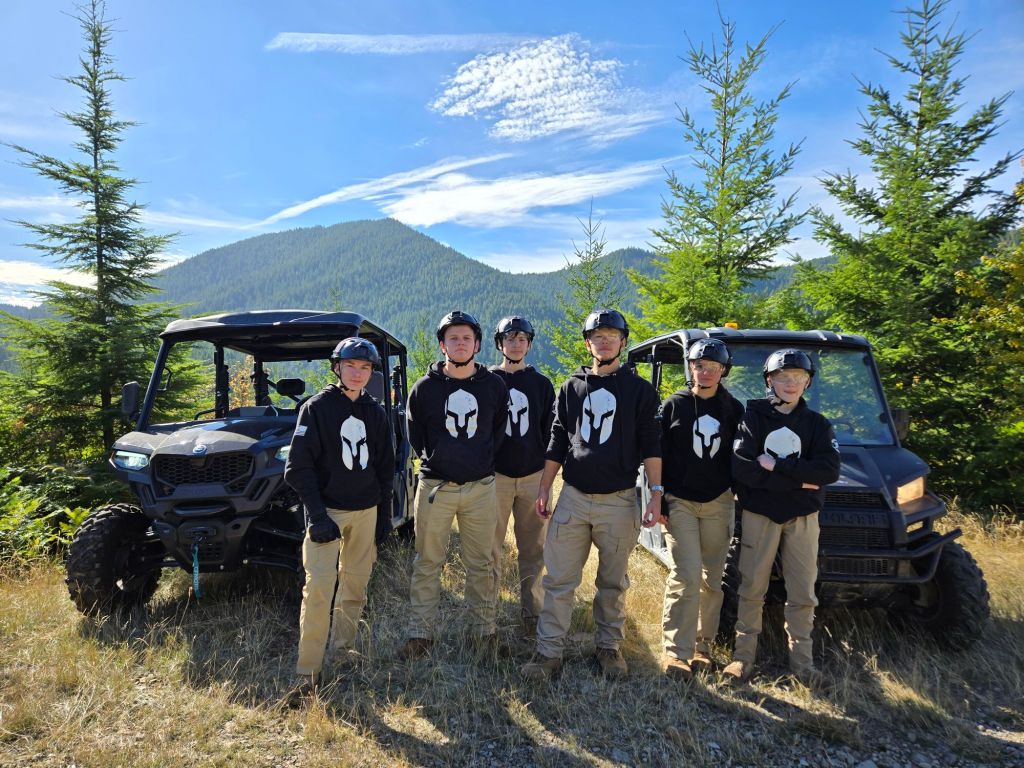
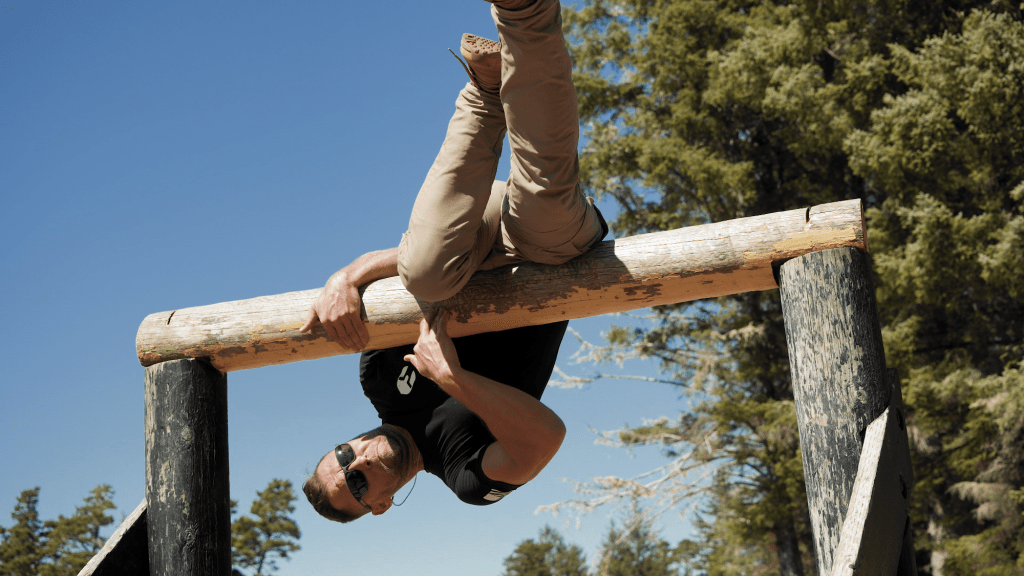
    Spartan course trainees under load

    The Part of You That’s Dying to Get Out

    Here’s what’s underneath all of it.

    There are parts of you that are dormant. Parts that were not put on you by anyone. They were in you when you were created. In you when you were born. In you as a child, trying to get out.

    And when that part of you is starved, it doesn’t go quietly. All you feel is something dying while it’s trying to grow, and it’s painful. So you numb it.

    You numb it with scrolling. You numb it with alcohol. With pot. With gambling. With hyper-working. With trying to please everybody just to fit in.

    Every one of those things feels like relief. Every one of them is actually stifling the very thing that’s trying to save you.

    What Happens When It Unlocks

    I’ve watched this moment happen more times than I can count, and the first thing I see is life. There is a level of hope in a person’s eyes that wasn’t there before.

    The energy that used to work against you starts working for you. Instead of feeling defeated, feeling like you’re never enough, always living toward your next failure, the optimism starts to override the negative self-talk. You become a greater team player. You think more clearly, solve bigger problems, and adapt faster, because you’re no longer operating in survival and self-sabotage mode.

    Your whole chemistry realigns toward your success. The simple things become enjoyable again. A bird chirping outside brings you joy. A walk brings you joy, instead of constant doom and gloom.

    And the setbacks? They shrink. In size and in duration. Someone says something negative to you, you readjust quicker. Something doesn’t go your way, you readjust quicker. A lot of times you come back stronger, because you finally put down a stone you didn’t even realize you were carrying. And once it’s down, you look at it and think: why was I carrying that at all?

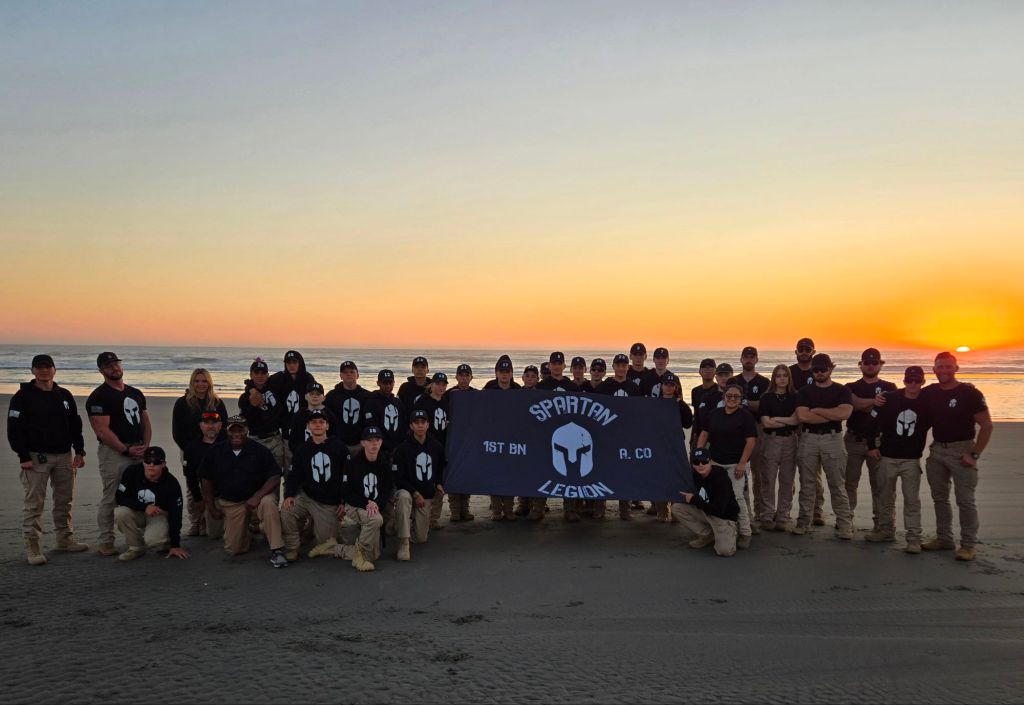
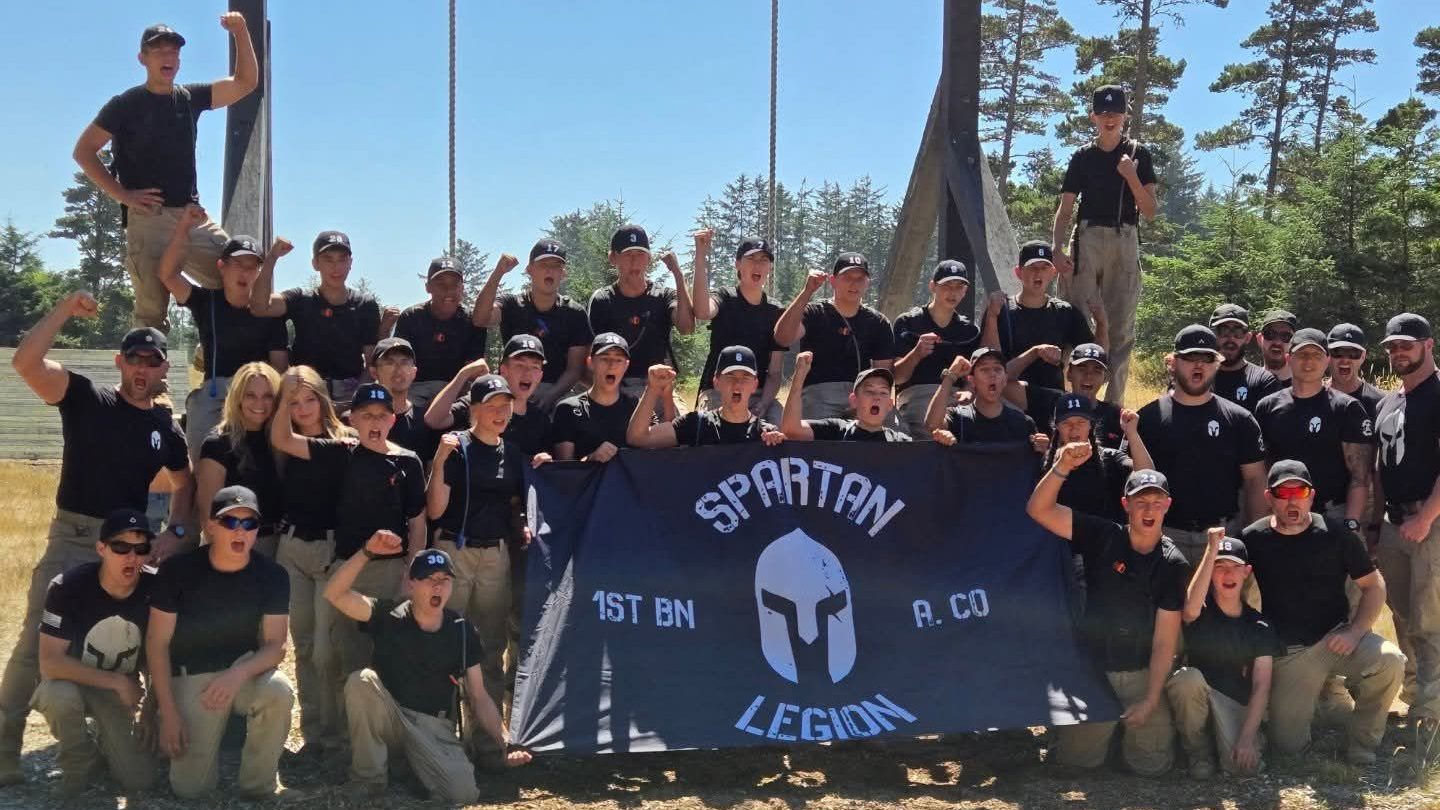
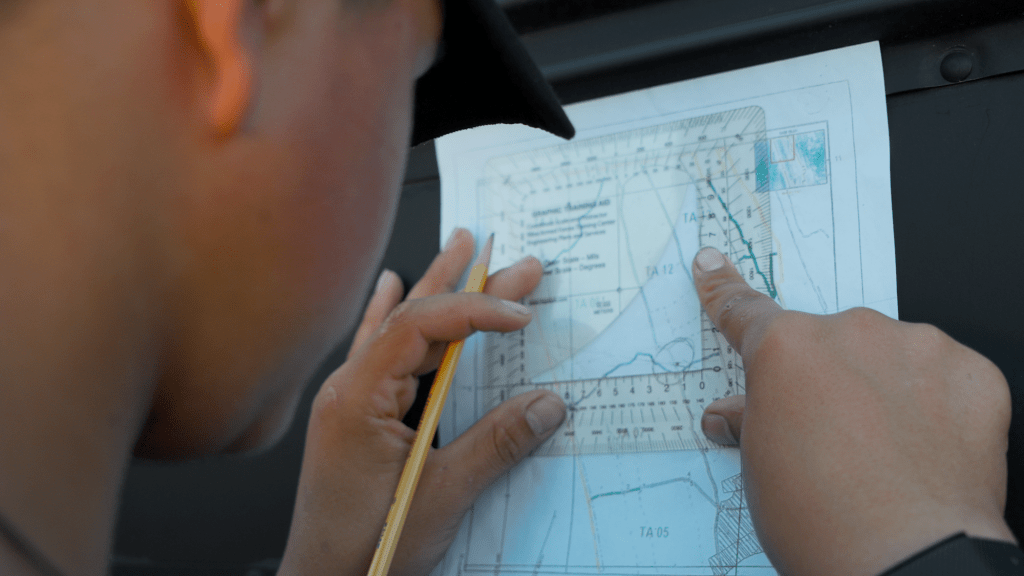
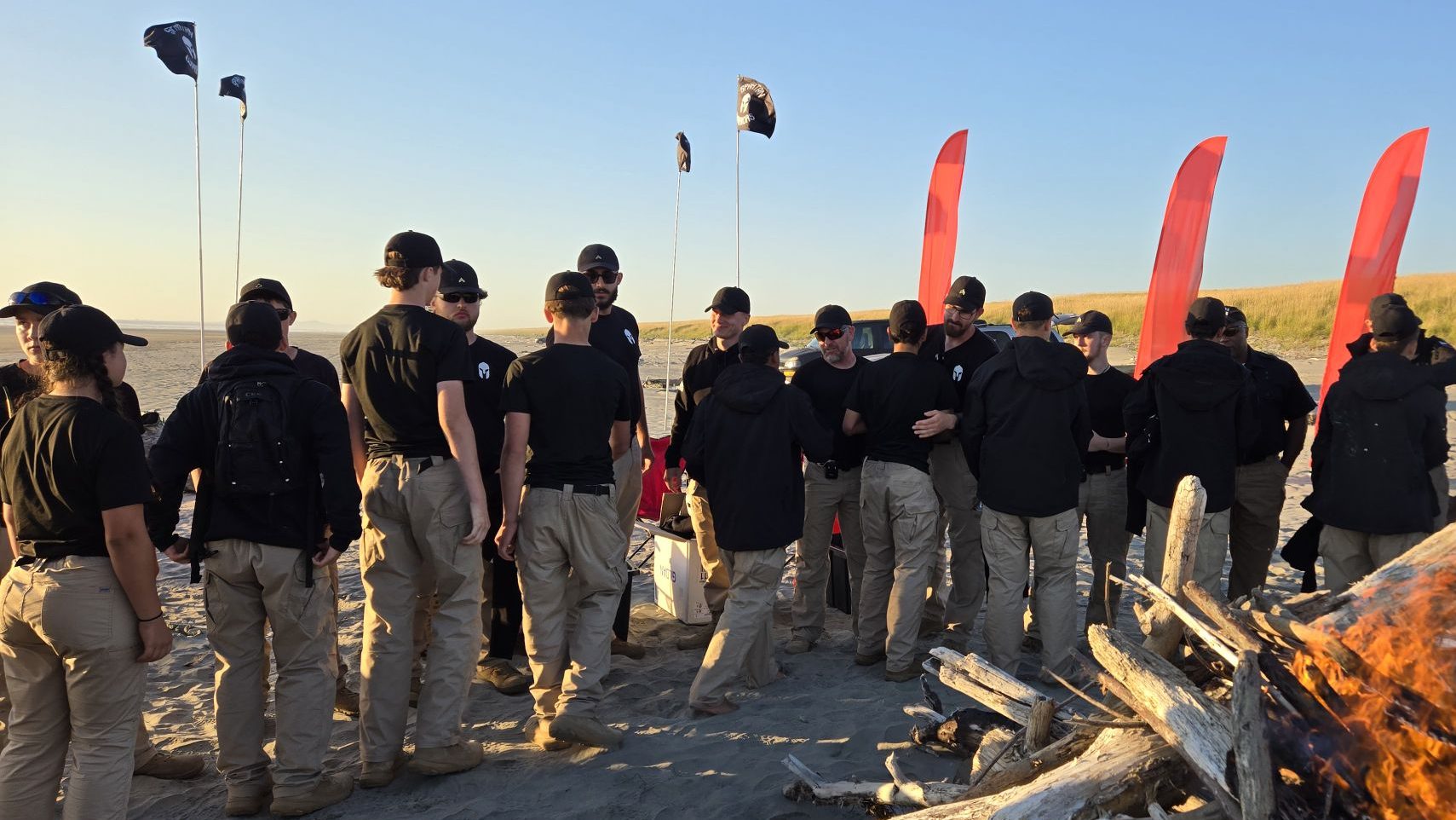
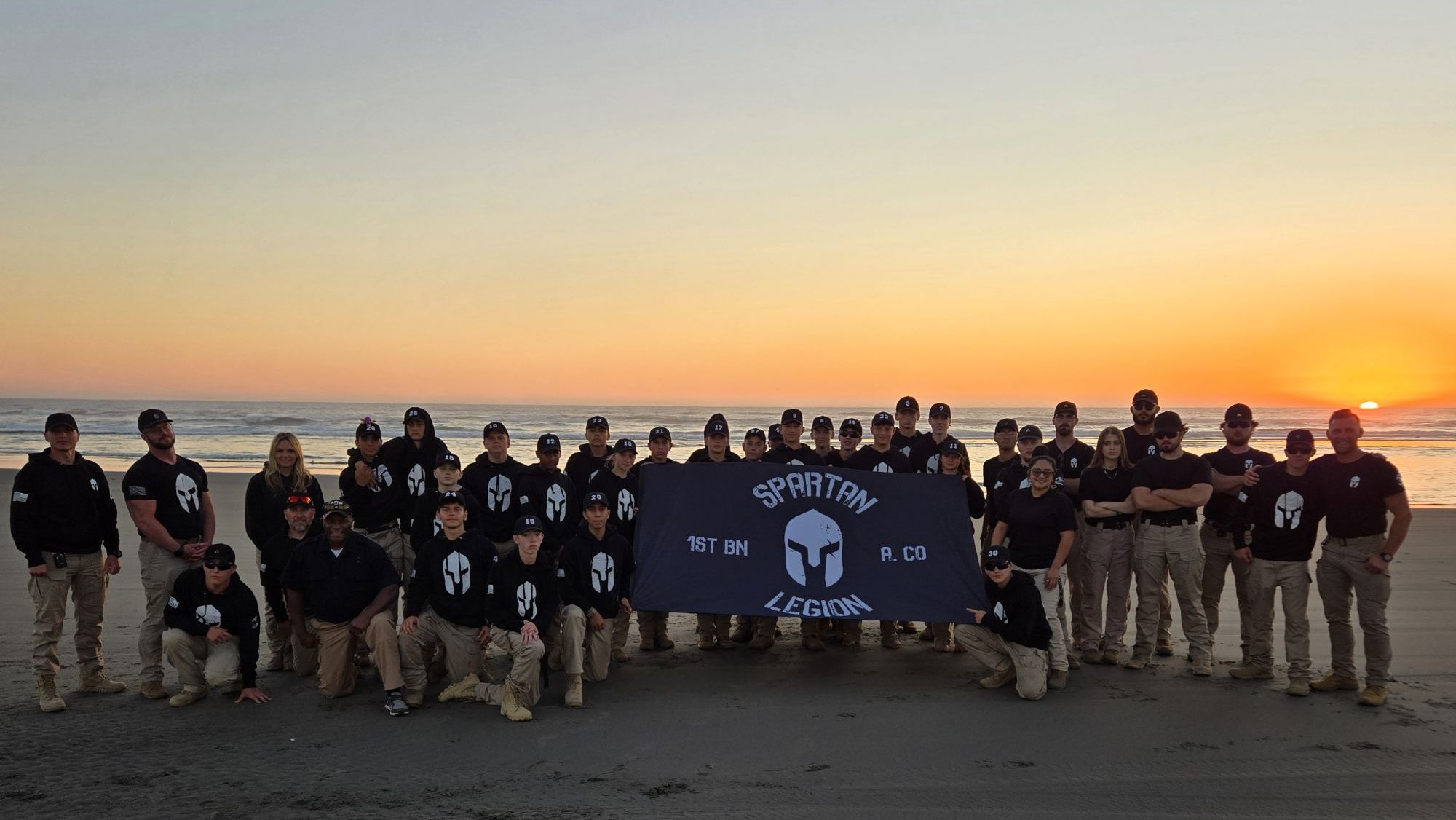
    Spartan course team together in the field

    This Is What We Actually Do

    The course you’ve seen photos of, the rucks and the missions and the long nights, is the furnace where all of this happens.

    We remove the invisible barriers first, the personal ones and the environmental ones. Then we build on what makes a person great: the team-first posture, where you care for your teammates’ needs before your own, and trust grows, and selfishness dies, and resilience grows with it.

    Five days. 120 hours. And you walk out with the thing you were actually looking for all along: yourself, unlocked.

    That part of you is not dead.
    It’s waiting.

    The Spartan Challenge (Ages 14–18)
    5 days • 120 hours • August 16–21, 2026
    thespartanchallenge.com

    The Spartan Executive Course (Ages 18–50)
    5 days • 120 hours • August 25–30, 2026
    thespartanx.com

    — Andrey Ivanov
  • The One Question I Ask Every Applicant

    From the Field  |  Andrey Ivanov

    The One Question I Ask Every Applicant

    Before anyone earns a roster number for the Spartan Challenge or the Spartan Executive Course, they talk to me.

    They expect questions about fitness. Injuries. Schedules. Whether they can carry a ruck.

    Those questions come. But they are not the ones that matter.

    Somewhere in that conversation, I ask them this:

    “Imagine I handed you all the resources in the world. Unlimited money. Unlimited intelligence. Access to the top experts in any field. You could make massive changes with the stroke of a pen. What unnecessary human suffering would you solve? What injustice would you reduce, or better yet, eliminate?”

    And then I wait.

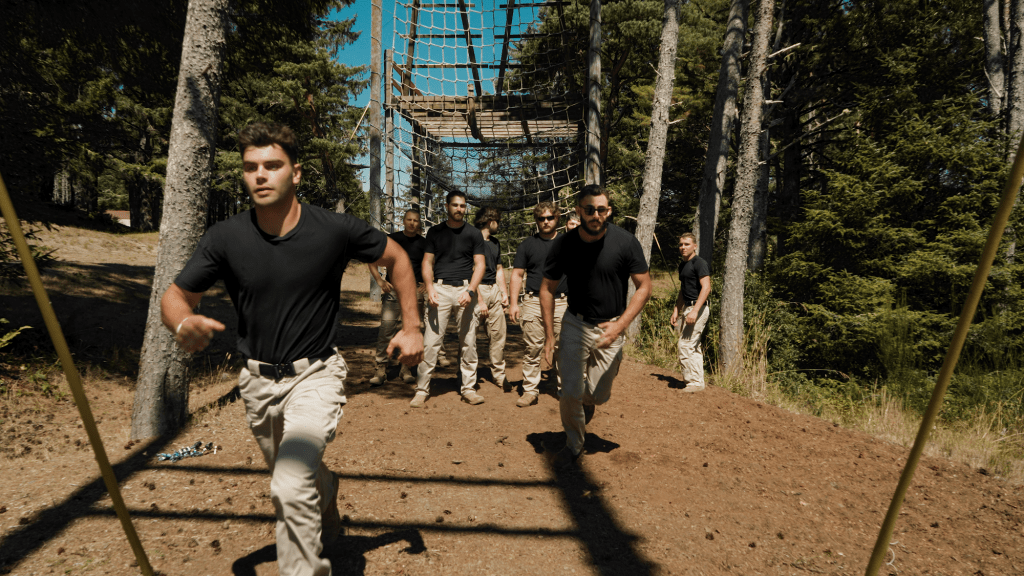
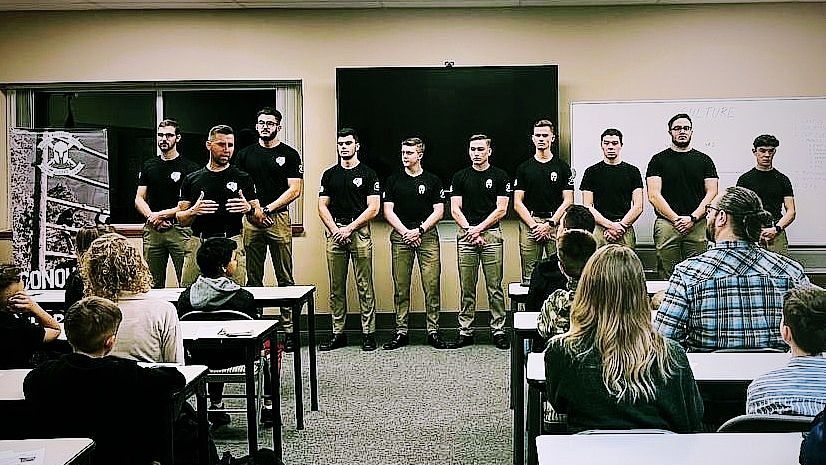
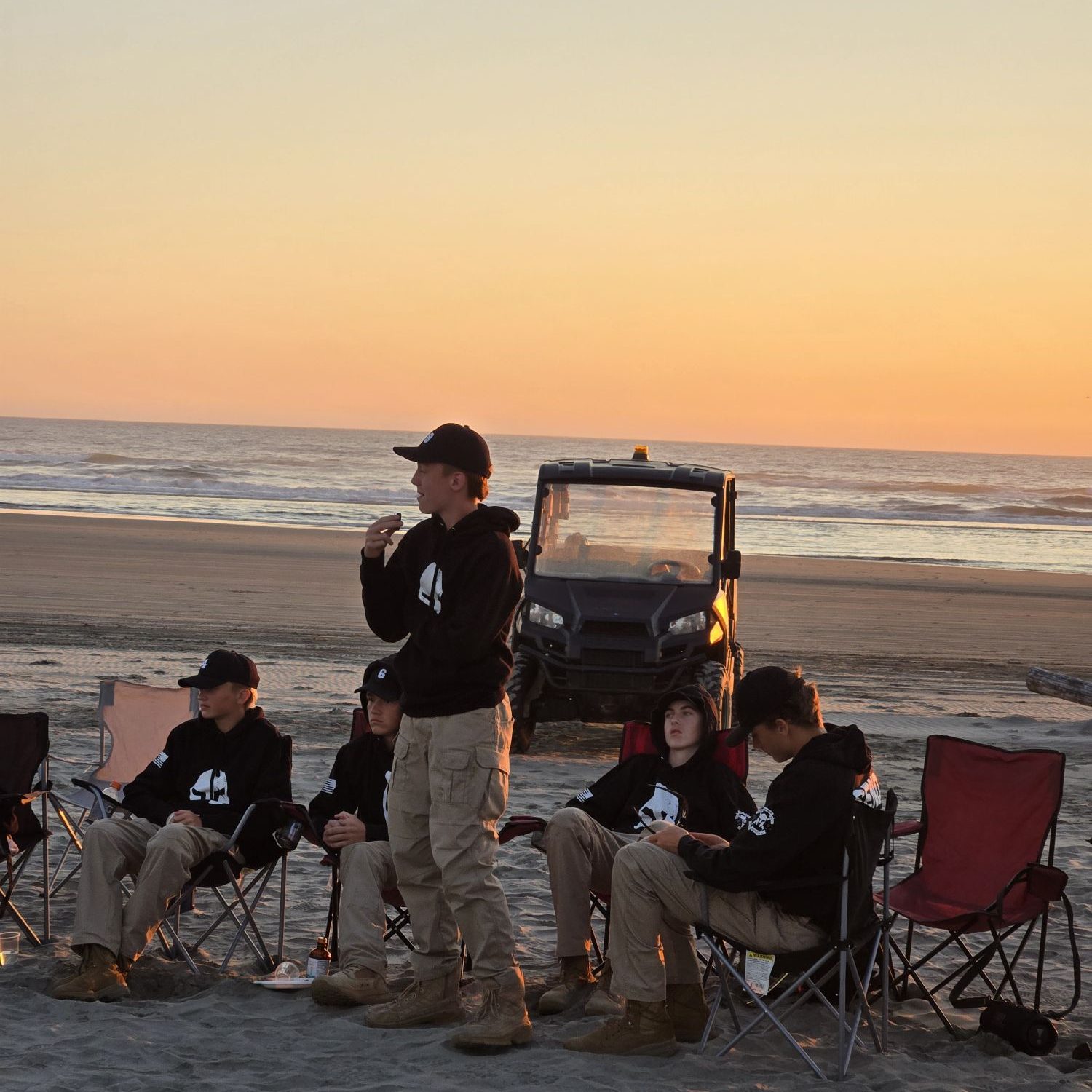
    Spartan course participants during training

    The Answer Almost Everyone Gives First

    You know what the most common response is?

    “I’ve never been asked that question. That is deep.”

    Yes, it is. That’s the point.

    Because that question lets me look past the resume, past the accomplishments, past the gym numbers, and see whether this person has ever once pondered something bigger than their own scoreboard.

    Has this person ever noticed the gross negligence of our society toward our most vulnerable? The indifference we show toward the people who are the most valuable among us? The disabled. The children we claim are our future, while we treat that future like it will just manifest itself. And then we wonder what happened when it doesn’t, and we blame the kids for being delinquent when it was always our responsibility to build them.

    Some people have never thought about any of that. Not once. They’ve been too busy trying to impress someone with the newest invention, the biggest building, the biggest muscles, the best job title.

    And some people, when they hear the question, come alive. Something in them has been waiting their whole life to be asked.

    Why I Filter This Hard

    Let me be clear about what this question is doing.

    It’s a filter. A deliberate one.

    We are looking for the doers and the builders. The people who can deliver a net positive to the world instead of just taking from it. We are not looking for the self-seeking title chasers. There is enough of that noise in the world. We don’t have room for it, and we don’t have time for it in our lifetime.

    I’ll give you a real example. In just the last couple of weeks, more than eight fitness influencers have applied to the course. People with big followings, impressive physiques, plenty of hard events behind them.

    Not one has followed through. Not one.

    Because when the conversation went past the photos and into purpose, there was nothing there. They were in it for recognition, and a course that ends with a certificate and a pat on the back has nothing to offer them.

    I’m glad. That’s the filter working.

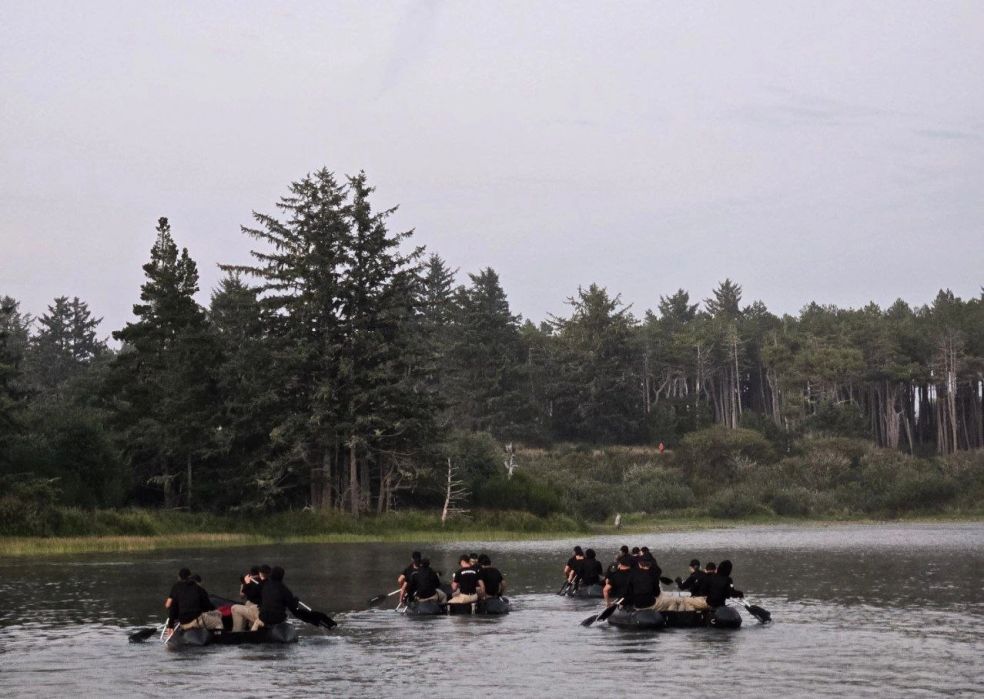
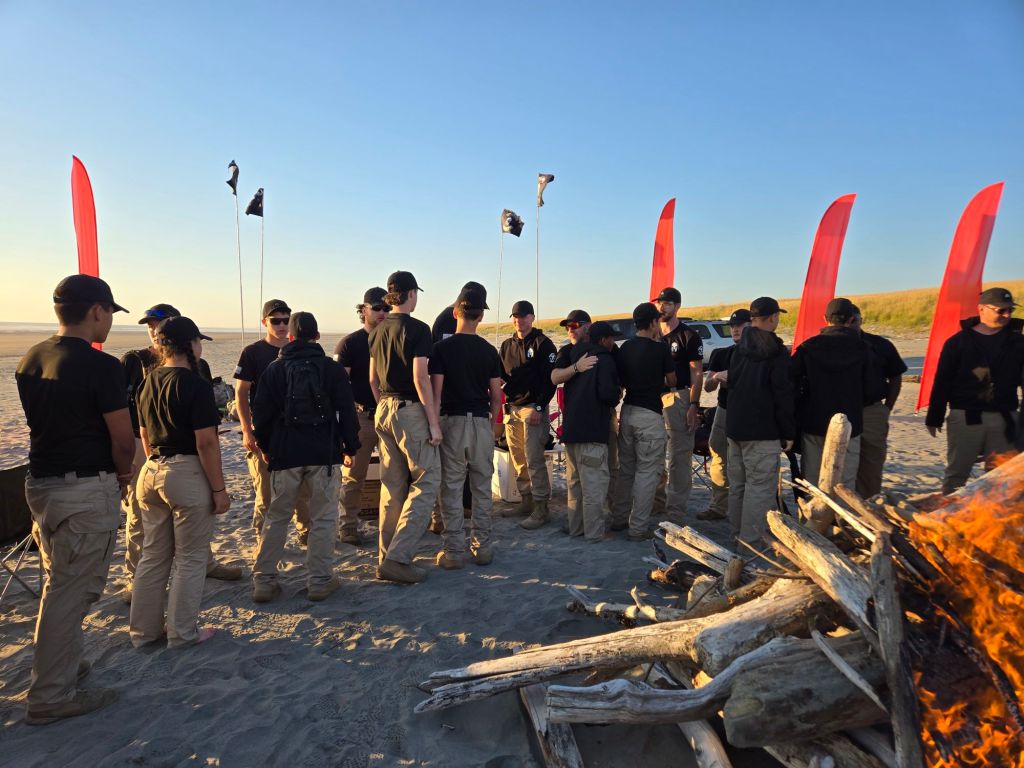
    Spartan course team during a mission

    The Question Is Only Phase One

    Here’s what most people don’t realize: answering well is not enough.

    Anyone can say the right words on a phone call. “I’m all in. I’m not moved by titles and money.” Great. Noted.

    Then comes phase two: we run you through.

    Five days. 120 hours. And in that furnace, we get to see in real time whether you meant it. Whether you even understood what you were asked.

    It shows up in small moments. When you’re exhausted and your teammate is falling behind, do you want to see your team win? Or do you just want to arrive first so you can look back at everyone else and feel superior again?

    That’s the whole test, right there. Not the ruck. Not the miles. That moment.

    Because when you begin to see your team as an extension of yourself, when you care for their needs before your own, something changes. Trust grows. Selfishness dies. Resilience and adaptability grow, because now there is trust and cooperation. That is the making of a leader, and no medal has ever produced it.

    Spartan course team training in the field

    Ask Yourself Before I Do

    So here is my invitation. Sit with the question before you ever fill out an application.

    All the resources in the world. Any suffering you could end. Any injustice you could eliminate.

    What would you do?

    If nothing comes, be honest about that. It doesn’t make you a bad person. It might just mean nobody ever asked you, and a part of you has been dormant so long you forgot it was there.

    But if something rises up in you when you read that question, some ache you’ve been carrying quietly for years, then you already know why you found us.

    Every one of us has a part to play.
    Roll up your sleeves. Deny yourself. Come to work.

    The Spartan Challenge (Ages 14–18)
    5 days • 120 hours • August 16–21, 2026
    thespartanchallenge.com

    The Spartan Executive Course (Ages 18–50)
    5 days • 120 hours • August 25–30, 2026
    thespartanx.com

    Ready to answer the question in person?

    — Andrey Ivanov
  • From the Field  |  Andrey Ivanov

    “This Is Not At All What I Thought It Was”

    There is one phrase I hear more than any other.

    Someone fills out an application or schedules a call about The Spartan Challenge, our 5-day, 120-hour leadership course for teens, or the Spartan Executive Course, our 5-day, 120-hour leadership immersion for adults. They’ve seen the photos: the rucks, the boats, the missions on a military base. They want to know the details.

    And then, after I explain who we are, what we do, and even to some degree how we do it, the person on the other end of the call goes quiet for a second. Then they say it:

    “This is not at all what I thought it was. But now I’m intrigued, and I want to hear more.”

    Every time. That exact phrase.

    So let me tell you what they thought it was, and what it actually is.

    Spartan course training in the field

    What People Think They’re Calling About

    When people first reach out, they’re asking about a leadership development course. What’s the schedule? How hard is the physical training? What do the missions look like? Am I fit enough? Is my son ready for it?

    They’re picturing a demanding week: something between military training and the hardest thing they’ve ever done. They’re looking for a test. A challenge. The next mountain.

    And I understand it, because the hard thing delivers something real. You finish it, and you get that surface-level satisfaction: I accomplished this. Therefore I must be growing. Therefore I must be on the right track.

    But here’s what I’ve learned after fifteen years of doing this work.

    The hard thing was never what they were actually looking for.

    Deeper inside, they’re looking for purpose. Much more than they are just looking for the next trial. The hard thing only relieves the pressure for a while: the quiet need to know that your life is moving toward something good.

    Then the medal goes in a drawer. And the question comes back.

    The Question That Comes Back

    I’ve talked to people who have, by every measure, arrived.

    Great promotions. Military honors. Career recognition. A family that praises them. Social media highs.

    And in those dark and lonely places, the ones nobody posts about, they’re wondering: What was all of that about? Why am I actually here?

    Because they still feel empty. Underutilized. Undervalued. Like they have to constantly perform just to feel like they’re going somewhere.

    Nobody prepared them for this. You can stack achievements to the ceiling and still not have the one thing your soul was built for.

    What they actually need is not another finish line.

    It’s to step into purpose. The kind of purpose where you live selflessly. Because selfless living is the only thing that makes you truly part of a tribe. It’s the only thing that makes you relevant to something bigger than your own scoreboard.

    That’s the depth people don’t expect when they call us. And when they hear it, the whole conversation changes. Some say, “Whoa, too much.” Perfect. Others lean in: “Yes. Tell me more.”

    Also perfect.

    Spartan course participants during training

    The Challenge Is Less Than 5% of What We Do

    Here’s the part that surprises everyone.

    The thing you called about, the Spartan Challenge or the Spartan Executive Course, the ruck marches, the rescue missions, the five days that feel like weeks, is less than five percent of the ecosystem.

    The challenge is incredible. The training is real. But it was never the product.

    The challenge is a gateway. A selection. It’s how we create the conditions that separate the doers from the podium chasers. Because what waits on the other side is so much bigger than the challenge itself, and it’s only for people who can actually see it.

    On the other side is a community of builders. People who deliver a net positive to the world instead of just taking from it. People training the next generation, answering when communities cry for help, and holding each other to a standard most environments abandoned a long time ago.

    Purpose on the tail end of this is bigger than most people can fathom. And they crave it, even the ones who don’t have words for it yet.

    Who This Is For (And Who It Isn’t)

    We deliberately filter. We’re looking for the builders, not the self-seeking title chasers. There’s enough of that noise in the world. We don’t have room for it, and we don’t have time for it in our lifetime.

    A man recently asked me, “What do I get at the end of the course?”

    I told him: a certificate of completion and a pat on the back.

    If that answer disappoints you, this is the wrong door. Keep walking, and I mean that with respect.

    But if something in you just stirred, if you’ve done the hard things, collected the wins, and still hear that quiet question in the dark, then you’re exactly who this was built for.

    Spartan course team in the field

    The Real Invitation

    This right here is a community of good.

    Not a program. Not an event. A small but significant gateway into hope, into purpose, and into a future and a life worth living.

    The challenge will test your body. That part is guaranteed. But the real work is what gets unlocked when the noise falls away: the part of you that’s been dormant so long you numbed it just to keep functioning.

    That part of you is not dead. It’s waiting.

    “This is not at all what I thought it was.”

    Good. It’s better.

    The Spartan Challenge (Ages 14–18)
    5 days • 120 hours • August 16–21, 2026
    thespartanchallenge.com

    The Spartan Executive Course (Ages 18–50)
    5 days • 120 hours • August 25–30, 2026
    thespartanx.com

    Not sure which fits? Schedule an informational call and let’s find out what you’re actually looking for.

    — Andrey Ivanov
  • She stared into her reflection longer than usual that morning — the high-achieving mother and professional whose calendar was a masterpiece of everyone else’s priorities. Or the hard-working dad brewing coffee at the kitchen counter, already mentally rehearsing another 14-hour day of carrying his team and his family.

    Both of them capable of pulling so much weight. Both of them slowly becoming ghosts of who they once were.

    It seems like so many of us carry that quiet exhaustion — the kind that comes from leading and caring for everyone around us while quietly setting our own deeper needs aside. No one says it out loud. We just keep pushing, convincing ourselves this is what responsible adults do.


    What would need to be true for you to treat this door as something you could no longer simply ignore?

    Men and women who stepped into five physically and mentally demanding days that stretch like weeks — long movements under loaded rucks, team challenges that expose every limit and selfishness, shared adversity that breaks down the old shell and forges something stronger. Sleep deprived from hard days of work. Relentless pressure compressing the shoulders and spine with heavy boats, logs and rucks.

    The kind of crushing where the body wants to quit by day one and two… and the mind begins its real work around day three.

    That’s where the mental and emotional breakthroughs happen. The mental rewiring cannot come from comfort and addictive crutches that allow us to escape reality — even if only for a moment.

    It comes when the old identity — the one that always puts everyone else first at the total expense of self — finally cracks open under deliberate pressure. Then the new architecture takes hold: clearer boundaries, deeper presence with family, decisions that no longer drain you because they flow from a rebuilt core.


    Most people in your position would probably just keep carrying the weight with the familiar routines. What’s stopping you from letting that old version of yourself become something you can finally leave behind?

    The reversal stings in hindsight. Because once the door drifts shut, you start defending the smaller life — the one where you stay composed externally but collapsing inside, unrecognizable to yourself. Where adventures with a tribe feel like distant dreams instead of lived reality.

    The men and women who do step through don’t just survive the five days. They become part of something lasting: a community of intentional people. A tribe that goes on real adventures together. That shows up for each other in times of need — business crises, family storms, personal crossroads. A culture that holds one another (and themselves) to a higher standard. The kind of brotherhood and community where you stop being the shell and start becoming the steady, alive version your family and team desperately need.


    When you look back six months from now, what will tell you this was the exact moment you stopped slowly disappearing into responsibility or darkness… and stepped fully into the person you were always capable of becoming?

    If something inside just tightened while reading this — that small, familiar pull of recognition from the person who’s been carrying it all — perhaps that feeling is already doing some of the persuading for you.

    The door is open for now. The question is whether you’ll walk through before another version of yourself drifts a little further away.

    The tribe is waiting. The higher standard is calling.

    Your move.

    Request Information
  • There’s a particular kind of person who finds their way to a page like this one.

    You’re successful by most measures. You carry weight other people never see — a business, a team, a family, a badge, a uniform, a community that leans on you. You’re the one who shows up. The one who holds it together. And somewhere along the way, quietly, you started to wonder whether the version of you running on autopilot is really the best you’ve got.

    You’ve read this far. That’s not nothing.

    This is for the people standing at the door — the ones who keep coming back to look, who feel the pull but haven’t stepped through. The Spartan Executive Course was built for exactly you. So let me tell you what it actually is, and then let me tell you the truth about what’s keeping you on the fence.

    What X Course Actually Is

    The X is a five-day hands-on leadership storm run on an active military installation, developed and led by a team of veterans — including officers, hardened infantrymen and some from special operations. Men who ate the bitter sludge of life, stayed on course and still completed critical objectives, over and over again. This is not a race. It is not a weekend retreat. It is not a motivational seminar where someone yells at you and hands you a medal at the end. If that’s what you’re after, this is the wrong door. Keep walking.

    What it is, is harder to put into a sentence — because it works on several layers at once.

    On one level, it’s physical. You’ll move more than fifty-five miles over five days, much of it under a weighted rucksack, through swamps and lakes and sand and up the sides of mountains. You’ll sleep in the barracks and under the stars. You’ll eat when there’s time to eat. Every day will feel like a week.

    On another level, it’s a leadership course — and this is the part most people don’t expect. You won’t just be pushed; you’ll be put in charge. The course cycles you through real leadership roles and opportunities to step up while your team runs humanitarian rescue missions, building toward a thirty-six-hour rolling operation: medical aid resupply, casualty extractions, reconnaissance, hostage rescue, back to back. You’ll be leading people who are exhausted, hungry, and frustrated — while you’re running on empty yourself — and still expected to keep the unit together on schedule and complete the mission.

    And on the deepest level, it’s a mirror. Under that kind of pressure, you stop just performing to please or impress others. You default to the real you. The instructors — who’ve been through training and hell downrange — observe and access how you move when you’ve got nothing left, make corrections about your strengths and blind spots. That feedback, given in the moment, under the weight of responsibility, where real adjustments are seared. Corrections you may not ever see on your own.

    You’ll also do something most of us haven’t done in years: go completely dark. No phone. No distractions. No noise. Just five days alone with the person you’ve been too busy to sit with.

    The People in the Room

    Here’s something the brochure can’t quite capture. The X program filters and selects its candidates. Not for who can lift the most or run the fastest — but for character. For a genuine care of humanity, even in the ones who’ve gotten a little jaded along the way.

    So the room fills up with rare kind of people. Entrepreneurs, executives and team leaders who’ve hit an invisible ceiling. Mom’s, dad’s, medical professionals, first responders, business leaders, active-duty, and veterans who’ve given more than most people will ever know. Parents trying to become the example their kids are looking for.

    Candidates say the same thing again and again: I finally found the room full of people who think and move like I do. That tribe is half the experience. You will meet people there who feel like carbon copies of you — same drive, same hunger — and running alongside them does something to the soul that’s hard to explain until you’ve felt it.

    And for some, the five days are just the beginning. The X is also how we build our teams — people who continue training physically, gain tactical proficiency and get certified to deploy into disaster zones to actually help when communities need it most. We call it phase two of service. Many begin living a double life in a positive way, with purpose and meaning by responding to cries for help. Because all that capability poured into you was never meant to end on the sidelines after you left the service or had a fallout with a supervisor.

    Now, About That Fence

    Let’s be honest with each other, because you’ve earned honesty.

    You’re not still reading because you don’t understand the course. You’re still reading because something in you wants it and something else is talking you out of it. So let me name the things that keep people on the fence — and let me push back, gently, the way a friend would.

    “I’m not in good enough shape.” Almost nobody feels ready. The course has a real baseline you’ll prepare for, and the training meets you where you are and builds you up — that’s the entire point. The people who wash out, about three in ten, are almost never the ones with the “wrong” body. They’re the ones who never found their reason to keep going. Which brings us to the real issue.

    “I don’t have the time.” You’re right that you don’t have the time. Nobody who needs this course has the time. That’s precisely the symptom. You are the person who pours into everyone else and never gets poured back into. Five days is not the thing you can’t afford. The next ten years on autopilot is the thing you can’t afford.

    “What if I fail?” Most of us were trained our whole lives not to fail — don’t make the wrong call, don’t look weak, don’t risk it — until we quietly slid into a small, safe box where nothing great happens and nothing ever breaks us open either. The X is a place where it’s supposed to be hard, where you’re meant to be pushed past where you’d push yourself, but where you are not going to die on the other end of it. That’s a rare and valuable thing: a place to find your edge with guardrails. You don’t actually want to never fail. You want to find out you can survive it. There’s a difference, and it changes everything.

    “It costs too much.” It’s a real investment, and we won’t pretend otherwise — though if you’re a first responder or veteran, or genuinely up against it financially, talk to us, because the right fit matters to us more than the number. But sit with this honestly: you’ve spent money on far less meaningful things and felt far less afterward. The question was never really the cost. The cost is just the most comfortable place to put the fear.

    What Actually Awakens a Person

    Here’s the thing almost nobody says out loud.

    The people who come to us tired, flat, going through the motions — they don’t need another dose of motivation. They don’t need a better morning routine or a louder podcast. What they need is a hill worth dying on. Something so meaningful they can’t wait to get up in the morning to keep building it. Something that wakes the soul up and won’t let it go back to sleep.

    That’s not something a five-day course can hand you. But it is something a five-day course can help you find — by stripping away the noise, putting you under real pressure, surrounding you with people who refuse to settle, and showing you, in a way you can’t argue with, how much more you are than the version of yourself you’ve gotten used to. The dormant parts of you that you’ve never seen before become activated for the first time.

    The world is genuinely hungry for leaders. For strength. For people willing to be more. There is something that happens to a person when they finally see how big a place they actually have in this world — and you don’t get to see that standing at the door.

    Step Through

    You already know which side of the fence you want to be on. You’ve known the whole time you’ve been reading.

    So here’s the only honest question left: a year from now, do you want to be the person who looked through the door and walked away — or the one who finally found out what they were made of?

    The class is filling, and the spots are limited.

    Come find out.

    [Secure Your Roster Number ]

  • Most men don’t need another motivational speech.
    They need something worth burning for.

    They don’t need another podcast, another book, or another person yelling at them to wake up earlier and grind harder. More noise will not fix a dying fire.

    Most men are not stuck because they don’t know what to do.
    They are stuck because nothing is risky or challenging enough from them.

    They are stuck because they lost their fire. And fire is purpose.

    When you are young, life gives you a roadmap. First job. First car. Relationship. Marriage. House. Kids. Better job. More money. There is always another hill to climb.

    But eventually, a lot of men hit a place nobody prepared them for. The map ends, and nobody tells you what comes next.

    They checked the boxes. They carry responsibility. They show up. They pay the bills. They live the routine. From the outside, it looks stable. Inside, something is going quiet.

    Then one day they quietly ask:

    “What now?” “What have I become?”

    That question has crushed more men than failure ever did.

    They call it stress. They call it being tired. They call it needing more discipline.
    But discipline without direction is like a gun without a trigger.

    Usually, that is not the real issue.
    The real issue is lacking purpose.

    The real issue is they no longer have a meaningful objective in front of them. No mission. No cause. No real challenge. No meaning tied to something bigger than themselves and survival.
    A man without a mission will eventually turn on himself.

    And when a man’s energy has nowhere meaningful to go, it turns inward.
    Unused fire does not disappear. It starts burning the wrong things.

    He overthinks. He compares. He replays failure. He focuses on what he lacks. He feels exhausted, but he can’t explain why. Addictions and doomscrolling just to check out or get away.
    That is not laziness. That is stagnation.

    Your mind is your greatest weapon.
    But without a mission, it becomes your enemy.

    Get Your Fire Back

    Most people do not sign up because they feel ready.

    They sign up because they are tired of staying the same.

    Tired of talking about change. Tired of waiting for the perfect time. Tired of knowing there is more in them, but never putting themselves in a place where more is required.

    More will not show up until more is required.

    That is why I created Spartan X and The Spartan Challenge.

    Not another motivational event.
    Not another lecture.
    Not another place to talk about growth while staying comfortable.

    And let’s be clear.

    This is not a race.
    This is not an alpha bro camp.
    This is not a place to splash mud on your face and call it weekend transformation.

    This is a demanding leadership immersion developed by veterans and built around specialized training, mindset development by immersion, and performance that cannot be faked.

    We depart from Vancouver, Washington, and we have trainees flying in from all over the country because they know this kind of environment is rare.

    Real Pain.
    Real Camraderie.
    Real Breakthroughs.

    Spartan X is for adults ages 18 to 50 who know they were built for more. It is a high level leadership immersion designed to push the mind, body, and purpose into alignment. It was developed by veterans and includes specialized training in leadership, communication, command presence, resilience, decision making, and operating through chaos.

    If you have lost your edge, your drive, your clarity, or your fire, Spartan X was built to put you back in the fight.

    Spartan X runs August 25 to August 30.
    Learn more at www.thespartanx.com

    Register for a informational call here: INFORMATIONAL CALL

    The Spartan Challenge is for ages 14 to 18. It is a rite of passage for young people who need challenge, discipline, leadership, responsibility, and a real test that demands more from them than comfort ever will.

    The Spartan Challenge runs August 16 to August 23.
    Trainees depart from Vancouver, Washington and return there after the course.

    Learn more at www.thespartanchallenge.com

    Register for a informational call here: INFORMATIONAL CALL

  • Pulling Young Men Out of Depression, Anxiety, and Lethargy — And Calling Good Men Higher

    In an age where young men are increasingly battling depression, anxiety, and crushing lethargy, we need real solutions.

    Not surface-level conversations.
    Not endless coping mechanisms.

    Real solutions.

    Modern life has made many comfortable—but weak.

    Comfortable… but lacking purpose.
    Comfortable… but undisciplined.
    Comfortable… but drifting.

    Too many young men are moving through life without direction, stuck in cycles of isolation and unfulfilled potential.

    And here’s the part most people won’t say:

    You cannot medicate a man into purpose.

    Say What You Want About the Military Draft

    It did something most systems today refuse to do.

    It applied pressure.

    It burned the sloppy, weak, undisciplined version of a man out of him—and forced maturity early.

    Not because it was comfortable.
    Not because it was soft.

    Because it demanded:

    • Responsibility
    • Discipline
    • Brotherhood
    • Standards

    We are not calling for a return to conscription.

    But the principles behind it?

    They are more needed now than ever.

    Young men need structured pressure to grow.

    The Spartan Challenge: 7-Day Leadership Program

    The Spartan Challenge is not a military prep school. (Ages:14-18)

    It doesn’t claim to be.

    But it is staffed with experienced veterans and highly trained leaders who understand how to develop:

    • The mind
    • The body
    • The internal drive for purpose

    Most people cannot grasp the difference it makes when you prepare young men to:

    • Take extreme ownership
    • Break out of rigid, passive thinking
    • Become adaptable problem solvers
    • Speak with clarity and confidence
    • Lead teams in the fog of stress, pain, and chaos

    These are not skills learned in a classroom.

    They are built through repetition under pressure.

    The Spartan X: Intensive 5-Day Hands-On Leadership Immersion

    The Spartan X is an intensive 5-day leadership immersion. (Ages:18-50)

    Our team of experienced military instructors create the conditions for each trainee to reach the end of themselves—and push beyond it.

    This is where limitations get exposed.

    And then broken.

    The course is built around a series of simulated missions:

    • Rescue operations
    • Disaster relief scenarios

    Each trainee is forced to:

    • Learn & adapt quickly
    • Be decisive & bold
    • Communicate clearly
    • Lead with Extreme Ownership

    This is one of the most effective forms of leadership training—because it is immersive.

    You cannot fake strength here.
    You cannot hide weakness.

    Instructors observe, rate, guide, and correct in real time.

    That’s where real growth happens.

    Business leaders want this level of training.
    Men and women need it.

    And our communities become stronger and safer because of it.

    What Happens After Graduation Matters Most

    This is not just a course.

    It is a gateway into a culture.

    A community of people who choose to live with:

    • Purpose
    • Discipline
    • Responsibility

    After graduation, doors open.

    Some become instructors for Junior Warrior Training youth programs.
    Some join our Boat Mobility unit—training as boat operators and rescue divers.
    Others step into Ground Mobility—tactical driving and mountain rescue to work with local Search & Rescue groups.

    Others go on to lead in business, family, and community.

    You are not just completing a program.

    You are stepping into a lifelong network of leaders.

    The Full Leadership Pipeline

    We don’t just train for a moment.

    We build for life.

    We have a solution to this growing social crisis—but it requires one thing:

    Doing the hard thing first.

    Through our leadership pipeline, we teach young men to:

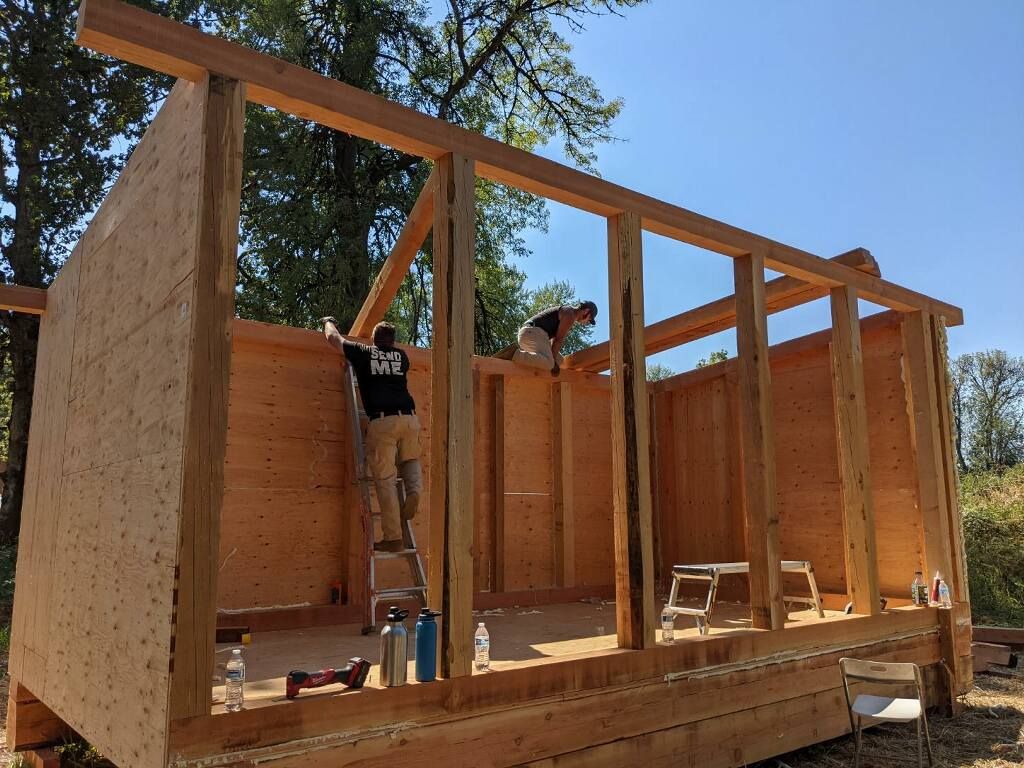
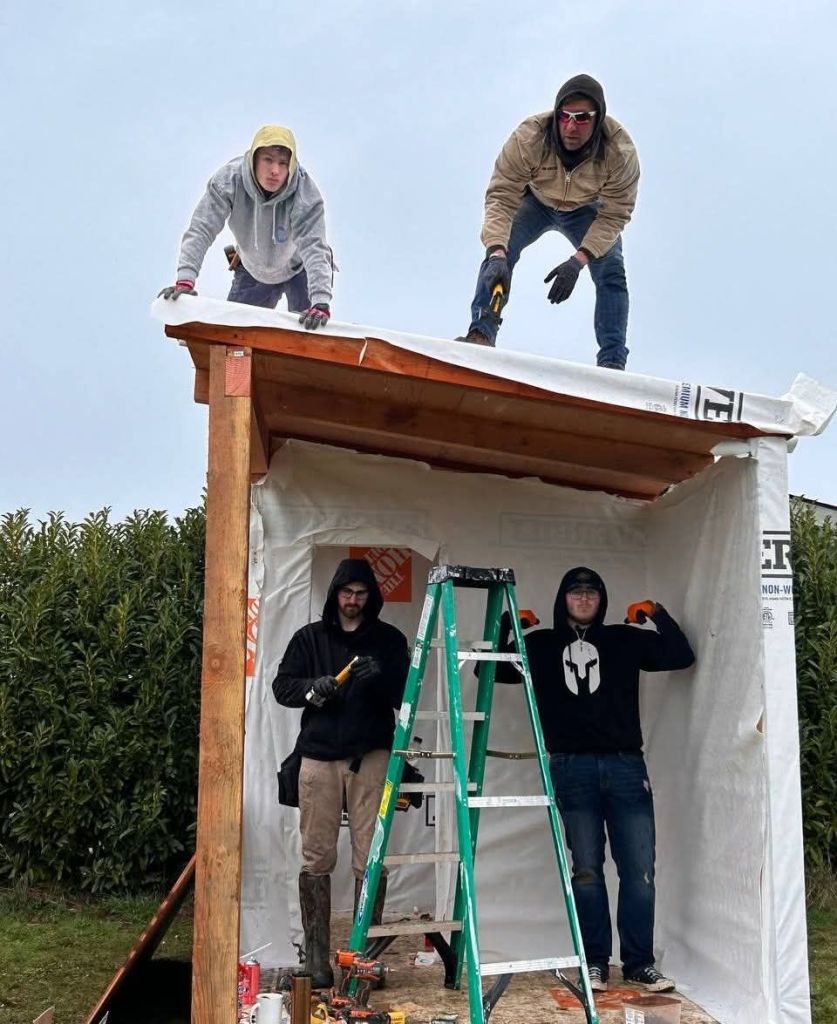
    • Build a house
    • Manage finances
    • Develop communication skills
    • Train for high-income careers
    • Get hired and create value
    • Start their own businesses
    • Serve others and genuinely care for people
    • Discover their potential

    And then— We help them build stability with T 1 Careers and Development.

    Get their own home.
    Start a family.
    Create a future with intention.

    Summer 2026 Training Dates — Limited Spots Available

    The Spartan Challenge (Class 010)
    Ages: 14–18
    Dates: August 16–23, 2026

    The Spartan X (Class 011)
    Ages: 18–50
    Dates: August 25–30, 2026

    Trainees will fly into Portland and be transported by our team to a military base in Warrenton for a full immersive experience.

    Final Thought

    This is not another leadership seminar.

    This is a forge.

    It breaks limitations.
    It exposes weakness.
    It builds strength.

    And it calls people higher.

    If your son, nephew, brother, co-worker or even yourself is ready to step out of depression, anxiety, or stagnation… (tough women are welcome)

    Then it’s time.

    Do the hard thing.

    Because your future self, your family, and your community are depending on it.

  • Why the Spartan Leadership Pipeline Produces a Different Kind of Leader

    Most youth programs focus on exposure.

    The Spartan pipeline focuses on transformation through pressure, responsibility, and repetition.

    From Junior Warrior Training (JWT)The Spartan Challenge (TSC)Spartan Advanced Leadership Training (SALT), this is not a collection of classes.

    It’s a multi-year leadership development system producing individuals who can think, act, lead, and execute when it actually matters.

    The Real Problem: Youth Are Overstimulated and Underdeveloped

    We’ve created a generation that:

    • Knows information
    • But struggles with execution
    • Avoids pressure
    • Lacks real-world confidence
    • Has never been responsible for outcomes

    And businesses are feeling it.

    Employers aren’t struggling to find reliable workers.

    They’re struggling to find stable, capable, accountable people.

    The Spartan Pipeline: Built for Capability, Not Comfort

    1. Junior Warrior Training: Early Identity & Responsibility

    This is where it starts—and most programs miss this window entirely.

    Junior Warrior Training builds:

    • Responsibility through team-based missions
    • Emotional control under mild stress
    • Service mindset (others before self)
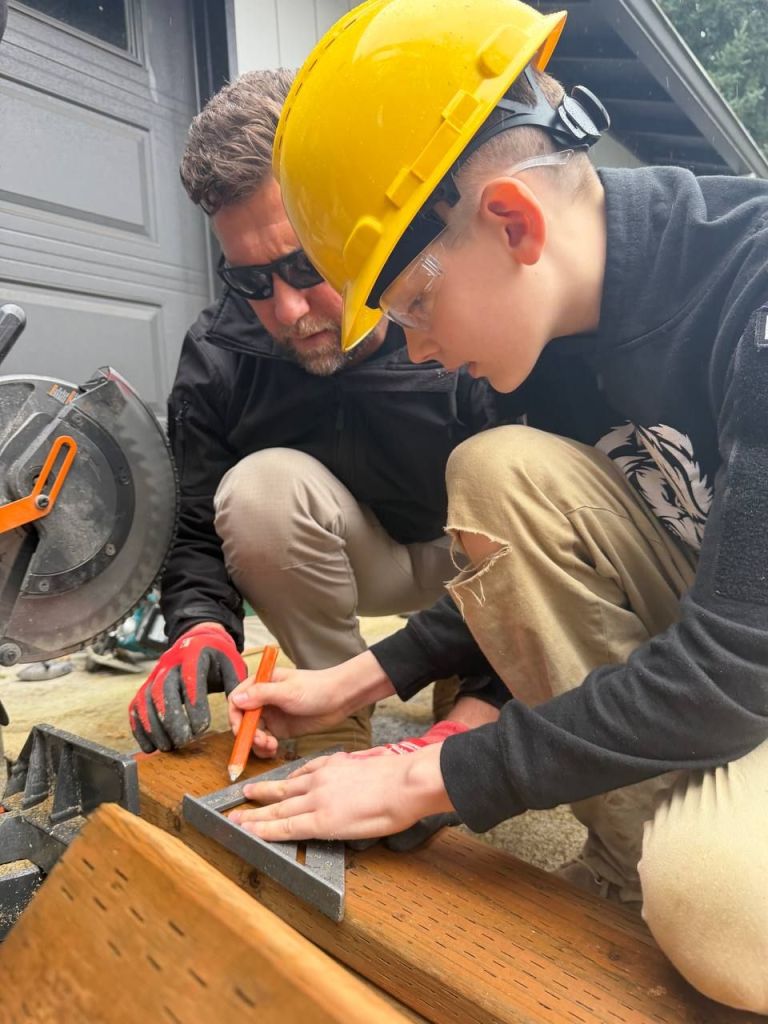
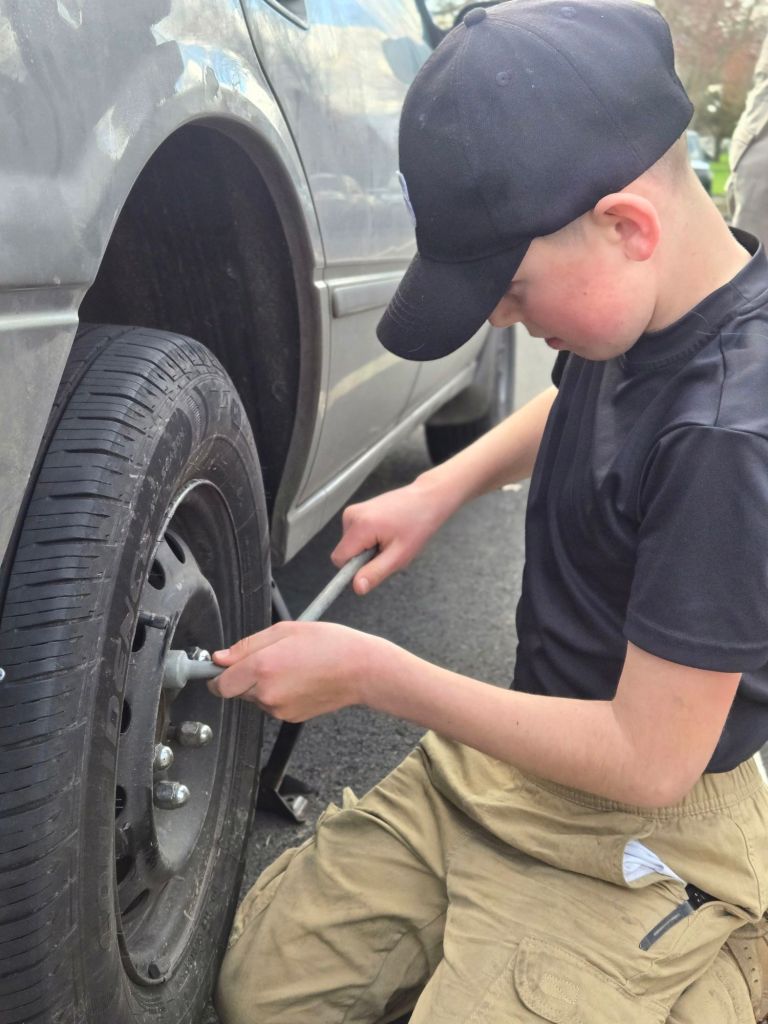
    • Basic skills (first aid, survival, automotive, construction, teamwork)

    But the real win?

    Identity formation.

    Instead of:

    “I hope I can…”

    They begin to believe:

    “I am someone who shows up, solves problems, and helps others.”

    That shift alone changes life trajectories.

    2. Spartan Challenge: Pressure Testing Leadership (168 Hours)

    The Spartan Challenge is where most people break—or level up.

    Trainees go through:

    • High-pressure simulated missions
    • Team leadership rotations
    • Time-constrained problem solving
    • Physical and mental fatigue environments

    They cannot fake competence.

    And that’s the point.

    What this builds:

    • Decision-making under stress
    • Communication clarity
    • Accountability to a team
    • Adaptability in changing conditions

    Research consistently shows that leadership experiences in youth significantly increase confidence, communication skills, and long-term employability .

    But here’s what most studies don’t include:

    Real consequence environments.

    That’s where Spartan separates.

    3. Spartan Advanced Leadership Training: Systems, Finances, and Life Architecture

    Over ~25 weeks:

    • ~75 hours classroom instruction
    • ~50+ hours applied assignments
    • Ongoing mentorship and accountability

    Total development time across pipeline: 400–500+ hours per trainee

    Core SALT Capabilities:

    • Financial systems & wealth structures
    • Credit, lending, and leverage strategies
    • Real estate portfolio structure & leverage
    • Contracts (business, legal, relational)
    • Communication & public speaking
    • Critical thinking and multi-layer problem solving analysis
    • Purpose development (WHY-driven living)

    4. Instructor Development: The Missing Link Most Programs Ignore

    We develop students into instructors.

    That changes everything.

    Because now they:

    • Train younger students (JWT)
    • Lead teams and training programs
    • Take responsibility for outcomes
    • Learn to communicate and perform tasks
    • Develop emotional intelligence

    This is what research calls “peer-led leadership and mentorship,” and it’s one of the most powerful development accelerators available.

    Programs using mentorship models show:

    • 90% job retention past 90 days for graduates
    • 72% gain clarity on career direction

    And long-term data shows:

    • 15% higher earnings
    • $56,000+ lifetime income increase
    • Higher college attendance rates

    Why This Model Works

    Most programs give:

    • Information
    • Motivation
    • Exposure

    Spartan Pipeline builds:

    • Competence
    • Confidence
    • Character under stress

    Research on youth development calls this the “Six C’s”:

    • Competence
    • Confidence
    • Connection
    • Character
    • Compassion
    • Contribution

    Spartan doesn’t just check those boxes. It forces them to be earned.

    Why This Matters for Business Owners

    The business leaders are struggling to find, train and hire a competent workforce.

    Job boards give you:

    • Inflated resumes
    • Low accountability
    • High turnover

    Spartan graduates bring:

    • Performance and adaptability
    • Team experience
    • Communication ability
    • Leadership readiness

    Workforce programs that combine mentorship + real-world experience + skills training consistently outperform traditional hiring pipelines .

    Why This Matters for Parents

    Parents want:

    • Confident kids
    • Purpose and direction for them
    • Safety from toxic partners and environments

    What they actually need to understand:

    Confidence doesn’t come from encouragement.

    It comes from:

    • Doing difficult things
    • Failing forward
    • Leading self and others
    • Being reliable

    Programs like this don’t just “keep kids busy.”

    They build:

    • Emotional resilience
    • Identity
    • Purpose
    • Real-world capability

    Why This Matters for Youth

    Most young people are asking:

    • “What am I good at?”
    • “Where do I fit?”
    • “What’s my purpose?”

    This pipeline answers that through challenges

    They don’t just learn skills.

    They discover:

    • What they’re capable of
    • How to lead others
    • How to think critically
    • How to create their future intentionally

    Why This Matters for Communities

    Communities don’t fail because of lack of resources.

    They fail because of lack of:

    • Vision
    • Leadership
    • Courage
    • Competence

    Youth leadership programs have been shown to:

    • Improve social behavior
    • Increase community connection
    • Reduce crimminal behavior
    • Build long-term economic mobility

    Now imagine that… at scale.

  • Modern society produces an unusual paradox.

    More people today have access to information, credentials, and opportunities than any generation before them. Yet at the same time, many individuals have never been exposed to the kind of pressure that reveals who they truly are when comfort disappears.

    A résumé can be polished.
    An opinion can be rehearsed.
    A persona can be curated online.

    But pressure destroys the mask.

    When fatigue sets in, when uncertainty rises, when responsibility becomes real—human beings fall back on the deepest layers of their psychology and biology. That is where character is revealed.

    The Spartan Program was designed with that intent.

    The Spartan Challenge (Ages 14–18) —–> Instagram
    A one-week leadership training experience that pushes teenagers physically, mentally, and emotionally to build discipline, resilience, and real confidence.

    The Spartan X (Ages 18+) —–> Instagram
    An intense leadership course for adults designed to test limits, expose weaknesses, and develop decisive leaders who can perform under pressure.

    At the center of the program is a cadre of instructors—men with extensive experience in the development of the mind, body, and internal drive for purpose. Their backgrounds span military service, combat environments, tactical operations, leadership roles, emergency response, and years of working directly with people under stress.

    But their authority does not come from titles.

    It comes from how they choose to live daily.

    Their credibility is built through continuous discipline, consistency, and the refusal to allow circumstances to dictate who they become.

    That distinction matters more than most people realize.

    Because human beings do not follow resumes.

    They follow signals of authenticity and strength.

    And the human brain is wired to subconsciously detect those signals instantly in the form of “gut feelings”.

    Why Humans Follow Authentic Leaders

    To understand why the Spartan model works, it helps to understand something about human biology.

    Human beings possess what neuroscientists often describe as three interacting layers of the brain:

    1. The Reptilian Brain – responsible for survival functions such as breathing, heart rate, and basic threat detection.
    2. The Mammalian Brain (Limbic System) – responsible for emotion, bonding, belonging, loyalty, and social hierarchy.
    3. The Neocortex – responsible for reasoning, language, planning, and abstract thinking.

    Most leadership training attempts to operate only at the neocortex level—logic, lectures, presentations, and information.

    But human behavior is never governed by logic alone.

    The mammalian brain—the emotional and social center—determines far more of human behavior than most people realize.

    It is the part of the brain that constantly scans the environment for answers to four questions:

    • Who has authority here?
    • Who belongs to my tribe?
    • Who can I trust?
    • Am I safe or threatened?

    These questions are answered not through speeches, but through behavioral signals.

    Calmness under pressure.
    Competence during chaos.
    Consistency between words and actions.

    When people detect those signals, the mammalian brain begins to relax and align with the leader in the environment.

    That is why Spartan instructors do not rely on intimidation or theatrics.

    They rely on presence.

    Presence is a biological signal.

    It communicates stability, competence, and trustworthiness to the limbic systems of the people around them.

    And that signal is contagious.

    Instructors Who Pursue Excellence—Not the Illusion of Perfection

    Spartan instructors do not train from the illusion that they have “arrived.”

    They are not presenting themselves as flawless men with life fully solved.

    In fact, they openly acknowledge something most leadership environments try to hide:

    Human beings are imperfect.

    What separates strong men from weak ones is not perfection.

    It is the pursuit of excellence despite imperfection.

    Spartan instructors operate from three principles:

    Excellence.
    Duty.
    Honor.

    These are not slogans.

    They are behavioral standards.

    Excellence means the daily discipline to improve even when no one is watching.

    Duty means accepting responsibility for the people around you.

    Honor means living in alignment with your values even when it costs you something.

    When a man lives this way long enough, something interesting happens psychologically.

    He no longer needs validation.

    He does not need to posture.
    He does not need to exaggerate achievements.
    He does not need to perform confidence.

    His nervous system is simply stable.

    And the mammalian brains of the people around him recognize that stability immediately.

    That is why trainees quickly realize something important when they arrive in the Spartan environment.

    The instructors are not there to impress anyone.

    They are there to develop people.

    Why Comfort Cannot Produce Leaders

    The modern world unintentionally trains people to avoid discomfort.

    Food is instantly available.
    Entertainment is endless.
    Validation can be manufactured online.

    But the human nervous system did not evolve in comfort.

    It evolved in environments that required adaptation, resilience, and cooperation under pressure.

    When those pressures disappear, something predictable happens.

    Confidence becomes fragile.
    Identity becomes shallow.
    Meaning becomes unclear.

    The Spartan Program intentionally reintroduces constructive stress.

    Through demanding physical tasks, time pressure, mission planning, and team responsibility, trainees are placed into environments where their usual coping strategies stop working.

    Fatigue appears.

    Frustration rises.

    Doubts surface.

    At that moment, the brain begins revealing something deeper:

    The internal narratives people carry about themselves.

    “I’m not capable.”
    “I can’t lead.”
    “I’m not strong enough.”
    “I’ll fail if I try.”

    These identity statements operate quietly beneath conscious awareness for years.

    But when someone is placed into a challenging environment where those beliefs are tested, the brain experiences cognitive dissonance.

    Reality contradicts the story.

    And that contradiction opens the door for change.

    Why “Fake It Until You Make It” Fails

    Modern personal development often promotes the idea that confidence can be manufactured through performance.

    Dress like success.
    Act confident.
    Project certainty.

    Eventually it will become real.

    But the brain does not work that way.

    The mammalian brain is extremely sensitive to authenticity signals.

    When behavior does not match internal belief, the nervous system detects it as incongruence.

    That incongruence produces anxiety, hesitation, and loss of trust from others.

    The Spartan Program does not rely on performance psychology.

    It relies on identity reconstruction.

    Every person arrives shaped by layers of cultural conditioning:

    Family expectations.
    Educational systems.
    Peer groups.
    Social media narratives.

    These environments install beliefs about identity, competence, and purpose.

    Some of those beliefs are accurate.

    Many are not.

    Within the Spartan environment, those beliefs are tested through real experiences rather than discussions.

    If someone believes they cannot endure hardship, the mission tests that belief.

    If someone believes they cannot lead others, responsibility tests that belief.

    The instructor’s role is not to lecture.

    It is to create conditions where reality exposes the truth.

    Once false beliefs surface, they are corrected through coaching and repeated implementation.

    New behaviors are practiced under pressure until the brain begins forming stronger neural pathways associated with competence and resilience.

    That process is uncomfortable.

    But it is also biologically effective.

    Because the brain changes through experience and repetition, not motivational speeches.

    The Neuroscience of Pressure and Growth

    Neuroscience has shown that the brain changes through a process called neuroplasticity.

    Neuroplasticity refers to the brain’s ability to reorganize neural pathways based on experience.

    When a person repeatedly encounters a challenge and successfully adapts, the brain strengthens the neural circuits associated with that behavior.

    This process involves several key biological systems:

    The Amygdala
    Detects threat and activates survival responses.

    The Prefrontal Cortex
    Regulates decision-making, problem-solving, and self-control.

    The Dopamine System
    Rewards effort and achievement, reinforcing motivation.

    When trainees successfully complete a difficult task they previously believed impossible, dopamine and other neurotransmitters reinforce the experience.

    The brain begins updating its internal model of identity.

    “I survived that.”
    “I solved that.”
    “I led that.”

    Those experiences begin replacing previous identity statements.

    Confidence then emerges not from acting confident—but from evidence stored in the brain.

    Tribe: The Biological Need for Brotherhood

    Human beings are tribal mammals.

    For most of human history, survival depended on belonging to a group.

    Isolation was dangerous.

    Belonging meant safety.

    The mammalian brain still operates on that principle today.

    Yet modern life has fragmented social structures that once provided strong tribal bonds.

    Many people face challenges alone.

    The Spartan Program intentionally rebuilds tribal cohesion through shared hardship.

    When individuals carry weight together, solve problems under pressure, and endure physical fatigue side by side, the brain releases bonding chemicals such as oxytocin.

    Trust forms naturally.

    Posturing disappears.

    People begin seeing each other as allies rather than competitors.

    And something rare begins to emerge:

    Men encouraging each other to rise.

    Instead of competing to appear strong, they begin helping each other become stronger.

    That shift creates a culture where influence is based on integrity and contribution, not ego.

    An Invitation Into a Higher Culture

    The Spartan Program is not simply a training course.

    It is an entry point into a culture.

    A culture with higher expectations.

    A culture where self-respect matters.

    A culture where strength is paired with humility.

    Graduates do not leave as perfect men.

    They leave with something more valuable:

    A commitment to a lifelong pursuit of excellence.

    A commitment to discipline.

    A commitment to responsibility for the people around them.

    When individuals raise their internal standards, families begin to stabilize.

    When families stabilize, communities become stronger.

    When communities are built by individuals pursuing excellence rather than comfort, the long-term trajectory of a nation begins to change.

    The Spartan Program exists to help build those individuals.

    Not through speeches.

    Not through image.

    But through pressure, brotherhood, and the relentless pursuit of becoming the person one was meant to be.

  • “Women are drawn to men who are competent, grounded, and reliable—not to men who arrogantly posture to cover weakness, broadcast resentment or entitlement.”

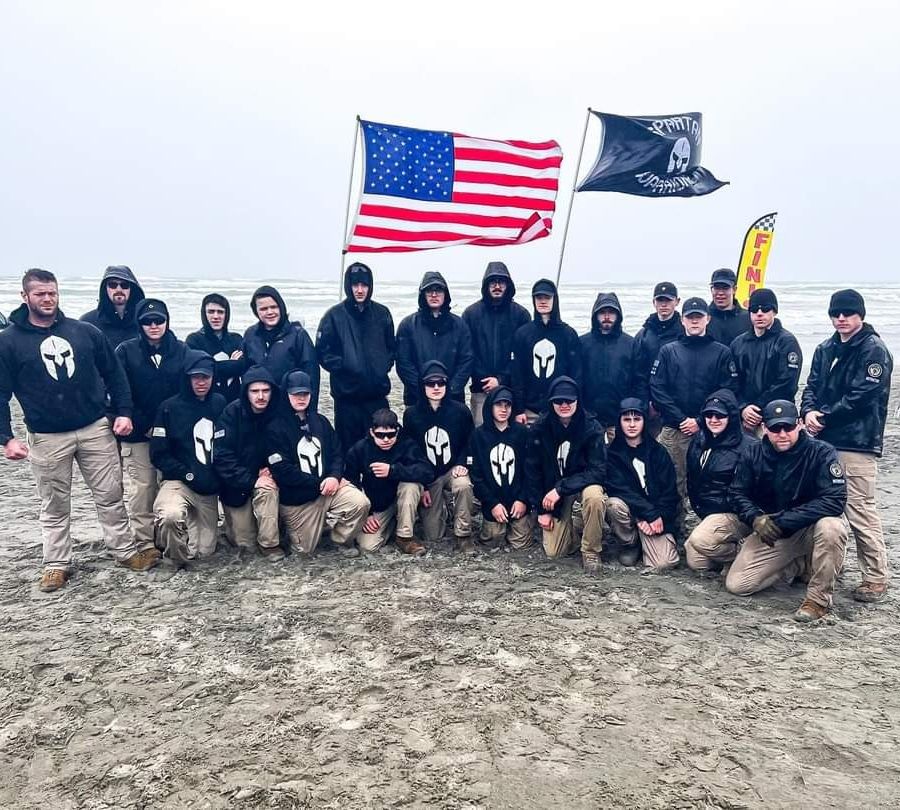
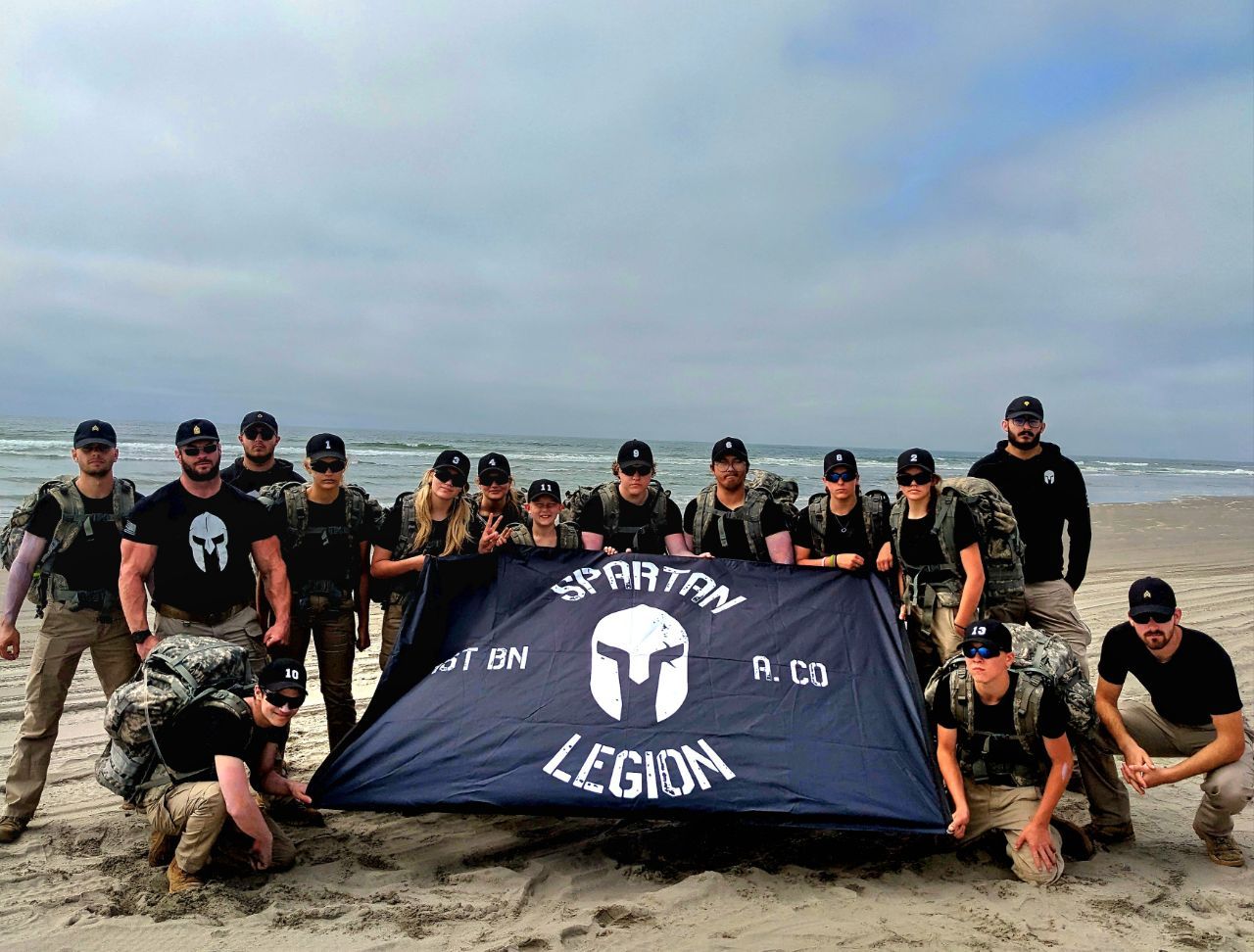
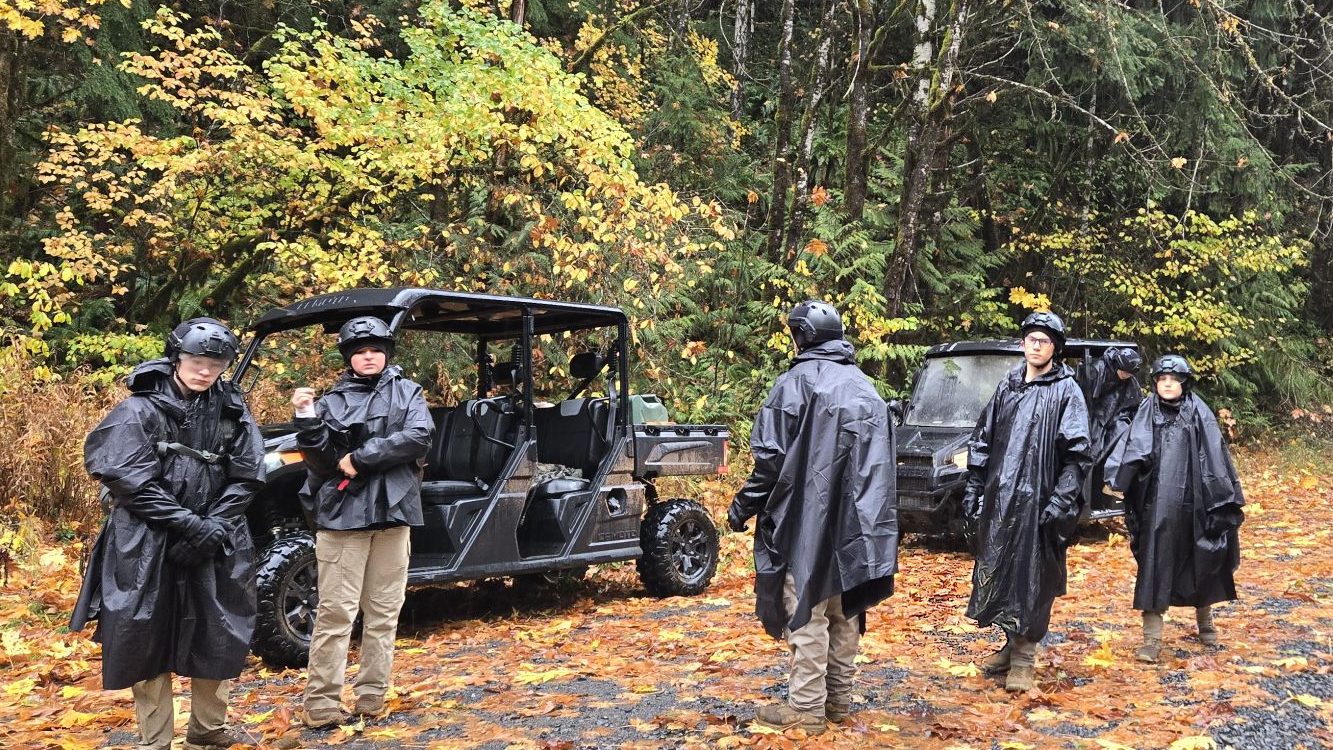
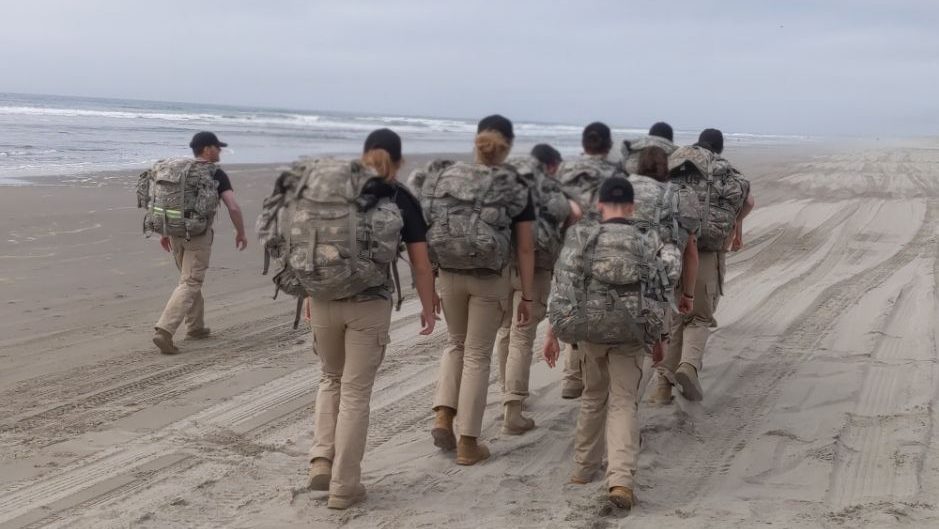
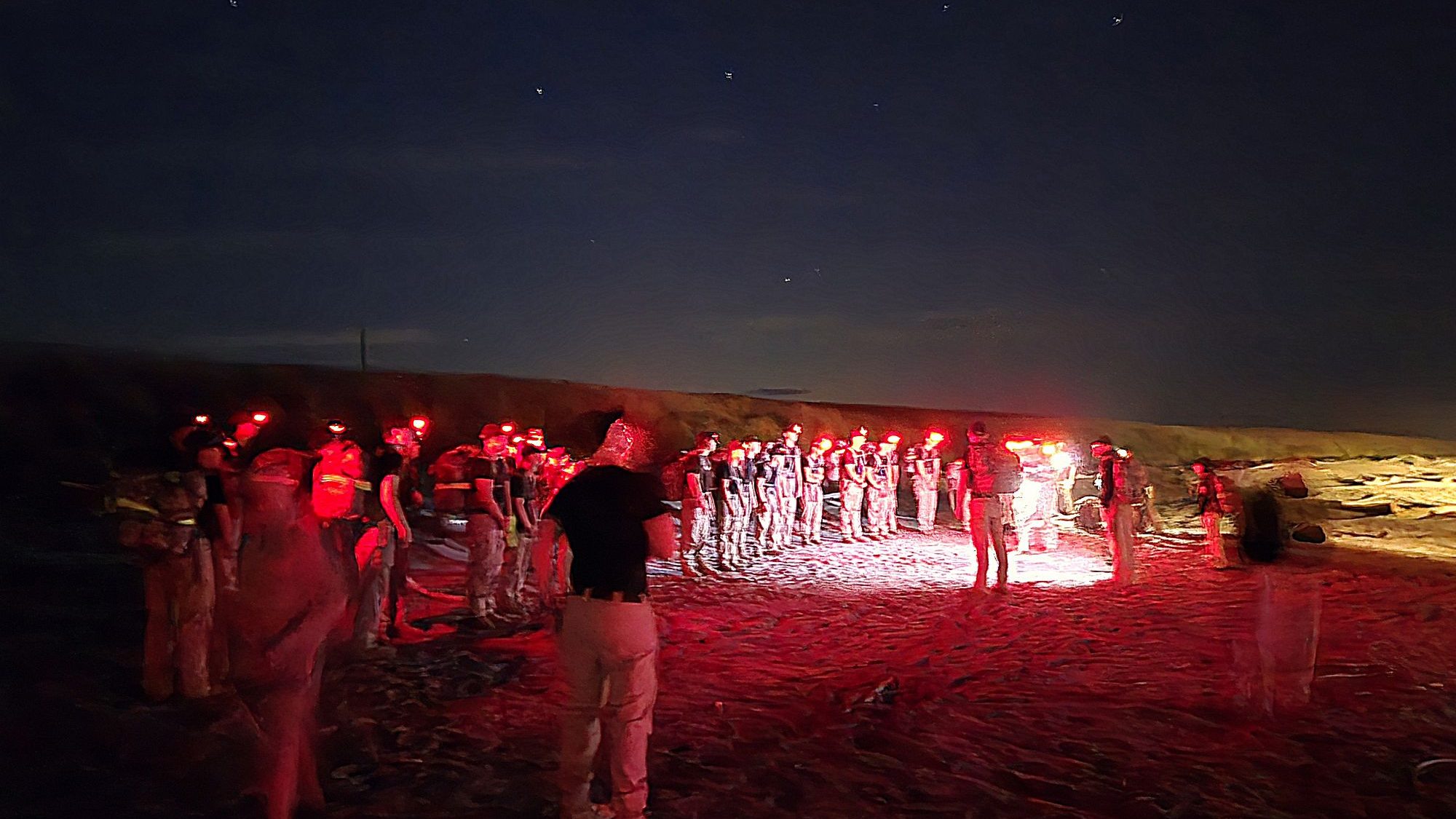
    There is a counter culture force that is growing, Class 008 paused for a quick photo before their 8 mile ruck march.

    There is a large and growing population of men who have become almost entirely invisible in mainstream discourse. They are not CEOs, entrepreneurs, husbands, fathers, or community pillars. They are drifting—unmoored, directionless, increasingly resentful.

    Many feel unseen, disrespected, discarded by the society around them. That feeling curdles into bitterness: first toward institutions, then toward men who seem to “win,” and unfortunately towards women.

    This is no longer merely a private tragedy for the individuals involved. It is quietly becoming a collective hazard that almost no one wants to name plainly.

    The Collapse Happening Under the Surface

    In much of the West, young men are falling behind across virtually every domain that matters:

    • Educational completion
    • Labor-force participation
    • Mental and emotional health
    • Close friendships
    • Romantic partnerships
    • A felt sense of purpose

    Hundreds of thousands, even millions of men aged 18–40 now live in a reality where they report:

    • No close friends
    • No long-term relationship ever
    • Minimal or no meaningful work or skill-building
    • Crushing, persistent loneliness

    When a man loses direction and responsibility, a deeper fracture occurs: he loses his sense of usefulness.

    Usefulness is not optional for most men; it is a core psychological nutrient. A man convinced he contributes nothing begins to feel he has no legitimate place in the world. That conviction is psychologically devastating.

    How Aimlessness Hardens Into Resentment

    There is a well-documented psychological sequence:

    Failure without correction → shame → withdrawal → isolation → externalized blame → resentment → chronic anger

    Instead of facing deficiencies in discipline, emotional control, social skill, or effort, many turn outward for a villain. Women become the most immediate, emotionally charged target.

    Online spaces accelerate this spiral. Echo chambers turn private pain into shared ideology. Common refrains emerge: “Women only date up.” “The system screws men.” “Nice guys finish last.” “Modern culture despises masculinity.”

    Beneath the slogans lies a harder reality most refuse to confront: These men frequently lack the habits, self-regulation, competence, and relational abilities needed to create a worthwhile life. Pretending otherwise only prolongs the suffering.

    The Inner World of the Chronically Resentful Man

    Several patterns repeat with grim predictability:

    1. Retreat from responsibility Life’s demands are swapped for low-effort escapes: gaming marathons, pornography, doom-scrolling, alcohol. Structure vanishes. Dignity erodes.
    2. Victimhood as default frame The internal question shifts from “What must I improve?” to “Who did this to me?” This provides short-term emotional relief but corrodes agency. Helplessness festers into rage.
    3. Rejection reframed as systemic injustice When healthy relationships remain out of reach, rejection is interpreted not as feedback but as evidence of cosmic unfairness. Yet attraction and partnership are not rights. They are outcomes of becoming a man others can trust, desire, and rely on. Refusing that developmental work leaves resentment in place of growth.

    Why This Is Everyone’s Problem

    Large cohorts of purposeless, humiliated, angry young men do not remain contained. History is unambiguous on this point. When masses of young males feel worthless and excluded, societies destabilize. Correlates include rising violence, receptivity to extremism, elevated crime rates, and fraying social cohesion.

    The majority will never act out destructively. But when millions drift without anchor, the entire social fabric weakens.

    Stable civilizations depend on men willing to occupy difficult roles:

    • Builders who create value
    • Fathers who raise the next generation
    • Protectors who stand between vulnerability and chaos
    • Mentors who transmit competence

    When those roles are abandoned en masse, instability is the predictable result.

    The Only Path That Works

    The solution is neither shaming these men nor colluding in the fantasy that the fault lies elsewhere.

    It is restoring the conditions that produce strong men: environments that demand growth, accountability, and service to something larger than self.

    Men need places and pursuits that require them to:

    • Work hard and consistency
    • Develop real discipline
    • Build tangible competence
    • Forge brotherhood through shared struggle
    • Contribute meaningfully to others

    When a man orients toward service and creation, resentment loses its fuel. Purpose displaces bitterness.

    What Genuine Masculine Strength Looks Like

    Strong men are not defined by aggression or grievance. They are defined by responsibility.

    A man becomes genuinely valuable when he masters the ability to:

    • Shoulder heavy loads (literal and figurative)
    • Solve difficult problems under pressure
    • Regulate his emotions when it counts
    • Protect those who cannot protect themselves
    • Build things—families, businesses, communities—that endure beyond him

    Women are drawn to men who are competent, grounded, and reliable—not to men who broadcast resentment or entitlement.

    Communities flourish when men choose contribution over complaint.

    If you’re ready to stop drifting and start building, check out my previous blog post on the Spartan X, The Spartan Challenge, and Junior Warrior Training. These are intensive, no-excuses programs designed to forge discipline, purpose, and brotherhood—exactly the environments that pull men out of resentment and into usefulness. They train and equip individuals so they can then train and equip others, rebuilding the chain of strong, responsible men one class at a time.

  • Andrey Ivanov
    Unlocking Human Potential

    Skip to content ↓